الجزیره فارسی
روایت خاورمیانه
الجزیره فارسی
روایت خاورمیانه 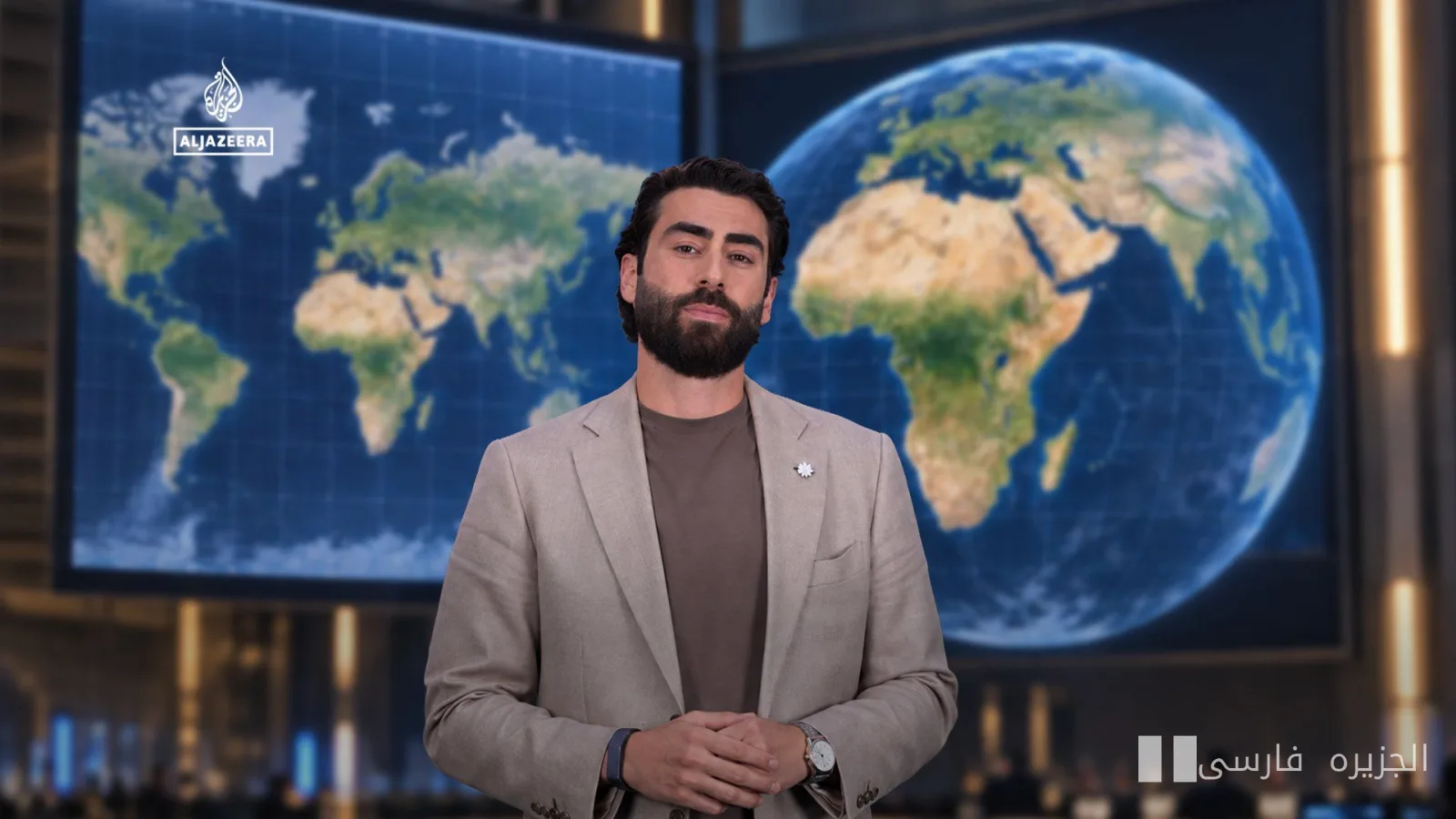
In today's world, changes in cartography can profoundly impact our perceptions and understanding of geography. Recently, the United Nations has decided to revise how the continent of Africa is represented. This change has gained particular significance as we move towards a new world filled with diverse challenges and opportunities.
Africa is as large as it truly is
So far, maps that are widely used around the world have unfairly depicted the continent of Africa as smaller than it actually is. These maps, especially in the West, have been designed to overlook the true dimensions of the continent, instead enlarging other parts of the world. This not only harms our understanding of geography but also impacts policies, trade, and international cooperation.
Cultural and Economic Impacts
A change in how Africa is represented could lead to widespread cultural and economic transformations. By revealing the true dimensions of the continent, we can better appreciate its cultural richness, natural resources, and economic potential. This change could benefit African countries, as it allows them to better showcase their stories and cultures and gain recognition on the global stage.
Moreover, this issue could affect foreign investments and international collaborations. If the world truly pays attention to the true dimensions of Africa, new opportunities for development and progress may arise.
It remains to be seen how these changes will impact global attitudes towards Africa and whether we can move towards a deeper and fairer understanding of this continent. After all, maps are not just images; they tell stories that can influence the fate of a continent.