الجزیره فارسی
پایگاه خبری و تحلیلی
الجزیره فارسی
پایگاه خبری و تحلیلی 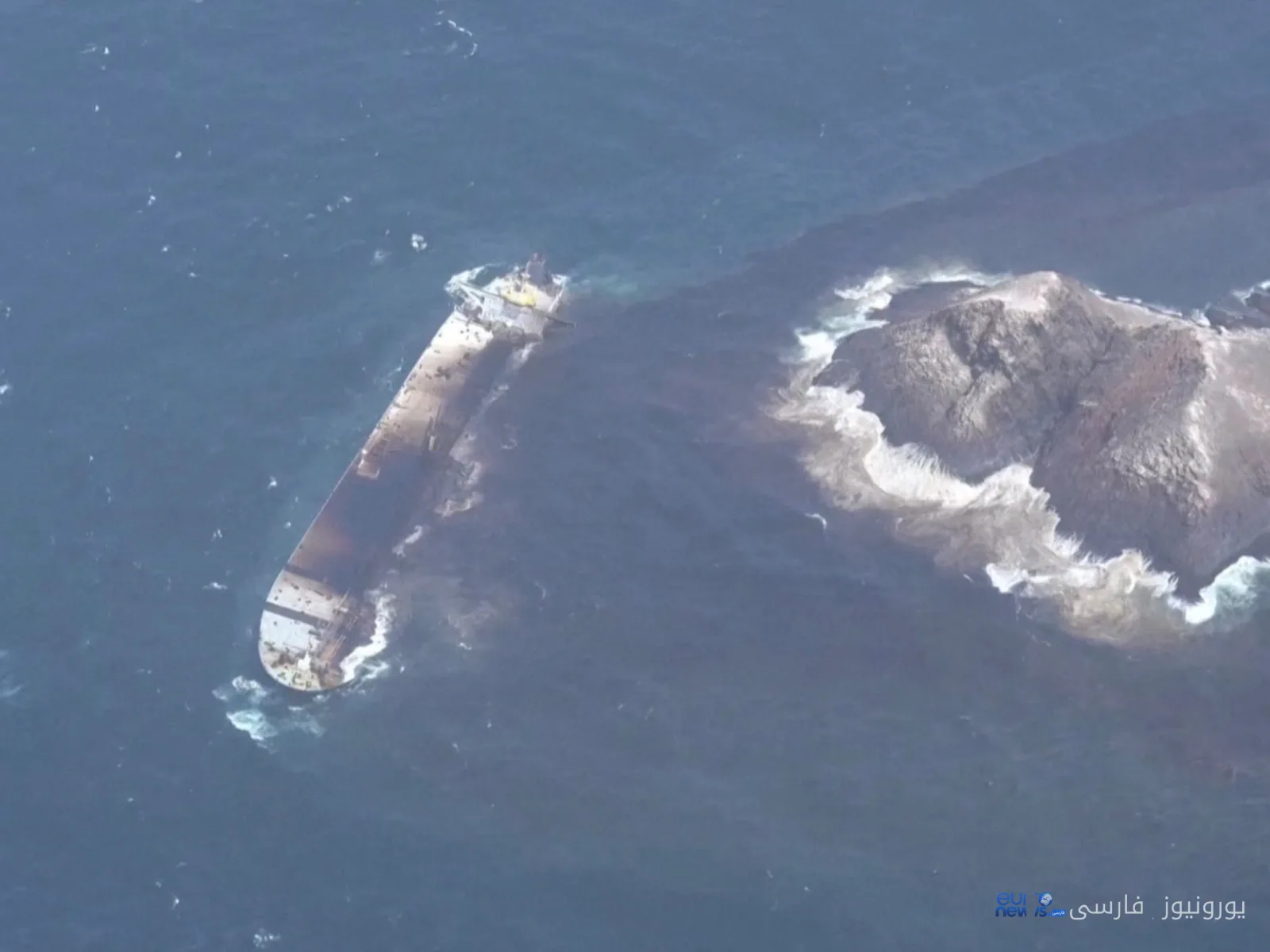
As tensions in the Strait of Hormuz have reached their peak, we are witnessing a new war between the United States and Iran, where tankers have become primary targets. These conflicts have not only led to economic problems but have also raised many questions about security and environmental protection.
Tankers and Environmental Risks
Despite numerous attacks on tankers, none of these attacks have resulted in the leakage of millions of barrels of oil. This indicates the high precision of military forces in carrying out their operations. Many experts believe that these types of targeting are primarily designed to prevent major environmental disasters.
For example, although tankers are frequently targeted, in most cases, only minor damage is inflicted on these tankers, and no oil leaks from them. This is while an oil spill could have catastrophic environmental consequences and cause serious harm to the marine ecosystem.
The Tanker War and Future Scenarios
The tanker war is not limited to a military game; rather, it reflects the complex strategies that both sides employ in an effort to protect their interests. In this context, serious questions arise as to whether these targeting actions are planned to prevent environmental disasters or if we may witness major oil spills in the future with changes in strategies.
Ultimately, what is clear is that tensions in the Strait of Hormuz have not only economic and military dimensions but can also lead to environmental crises. The future of this tanker war remains shrouded in ambiguity, and we must wait to see what scenarios lie ahead.