الجزیره فارسی
روایت خاورمیانه
الجزیره فارسی
روایت خاورمیانه 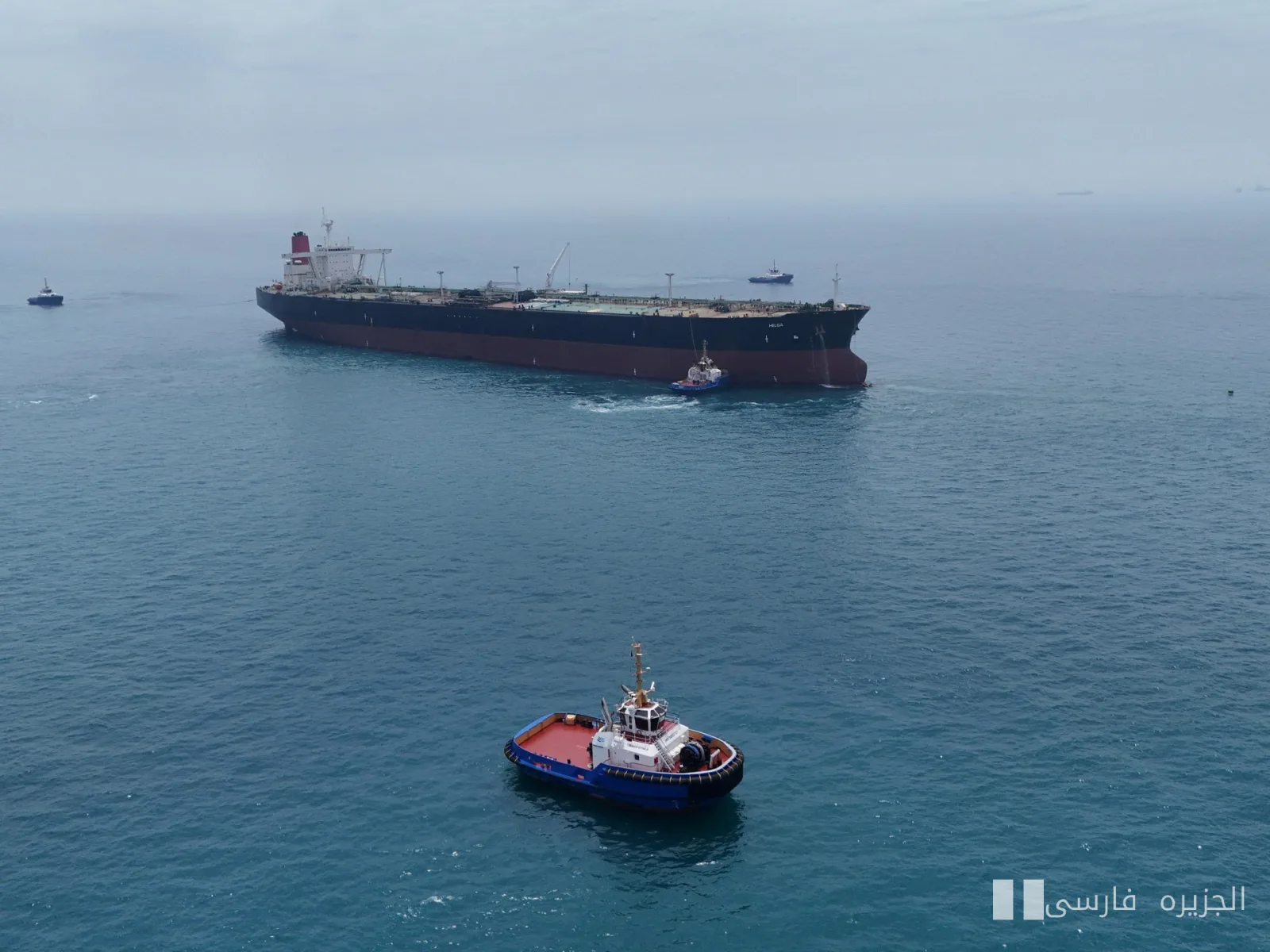
In recent days, the Strait of Hormuz, one of the most important maritime passages in the world, has witnessed a significant reduction in the number of ships passing through. According to data, only ۶ ships passed through this strait on Tuesday, while the daily average over the past ten days was ۱۲ ships.
The Impact of Military Tensions on Maritime Trade
This decrease is not only due to weather conditions or technical problems with the ships but is clearly influenced by the rising tensions in the region and the outbreak of military conflicts. Since the Strait of Hormuz accounts for about ۲۰ percent of the world's oil, this reduction could severely impact the global oil market. Oil prices have currently risen above $۱۰۰, raising serious concerns about energy supply in the near future.
Analysts believe that the current situation could have widespread economic consequences. The decrease in ship passages through the Strait of Hormuz serves as a warning sign for countries dependent on this route. In fact, this situation could affect financial markets and energy prices globally, leading to price increases.
The Future of the Strait of Hormuz and Upcoming Challenges
As tensions in the Middle East continue, the future of the Strait of Hormuz and the passage of ships through it will be significantly affected. Governments and energy companies must closely monitor the situation and develop new strategies to manage these challenges. Can the Strait of Hormuz once again become a safe route for global trade, or will this decline continue?