Al Jazara
روایت خاورمیانه
Al Jazara
روایت خاورمیانه 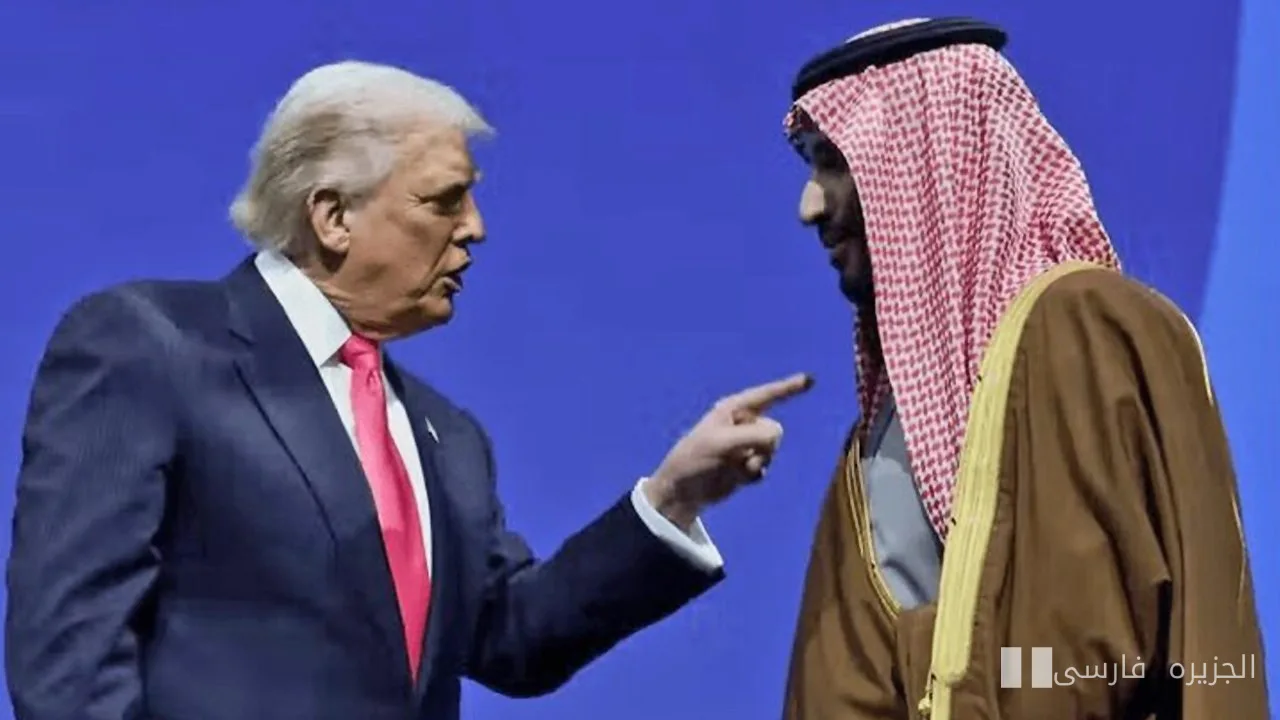
In an unexpected turn, Donald Trump, the former President of the United States, rejected two phone calls from Mohammed bin Salman, the Crown Prince of Saudi Arabia, requesting an attack on the Houthis in Yemen. These calls, made to strengthen Saudi positions against the Houthi group, ultimately ended in failure and once again demonstrated that the complexities of diplomacy in the Middle East are not easily resolved.
Military and Diplomatic Challenges
The developments in Yemen are by no means simple, and Saudi Arabia faces multiple challenges in this country. These requests from Bin Salman, who was seeking greater military support from the U.S., clearly indicate this country's concerns about the security situation at its borders. However, Trump, who sought to reduce tensions in the Middle East during his presidency, seemed unwilling to engage in this conflict.
These two calls reflect a bitter reality in U.S. foreign policy: even when relations between the two countries are under severe pressure, decision-making is influenced by larger and more complex considerations. Bin Salman, who has always emphasized the importance of cooperation with Washington, faced a negative response from Trump in this particular case.
Consequences and Impacts on Relations
This issue could have many consequences for Saudi-U.S. relations. While Bin Salman seeks to strengthen his position in the Middle East, the lack of U.S. cooperation could lead to an expansion of Iran's influence in Yemen and other parts of the region. These concerns could be troublesome not only for Saudi Arabia but also for the United States.
Overall, these two unsuccessful calls somewhat indicate changes in U.S. foreign policy and military strategies regarding the Middle East. It remains to be seen whether Saudi Arabia will make further efforts to garner Washington's support in the future or seek other options.