الجزارا فارسی
روایت خاورمیانه
الجزارا فارسی
روایت خاورمیانه 
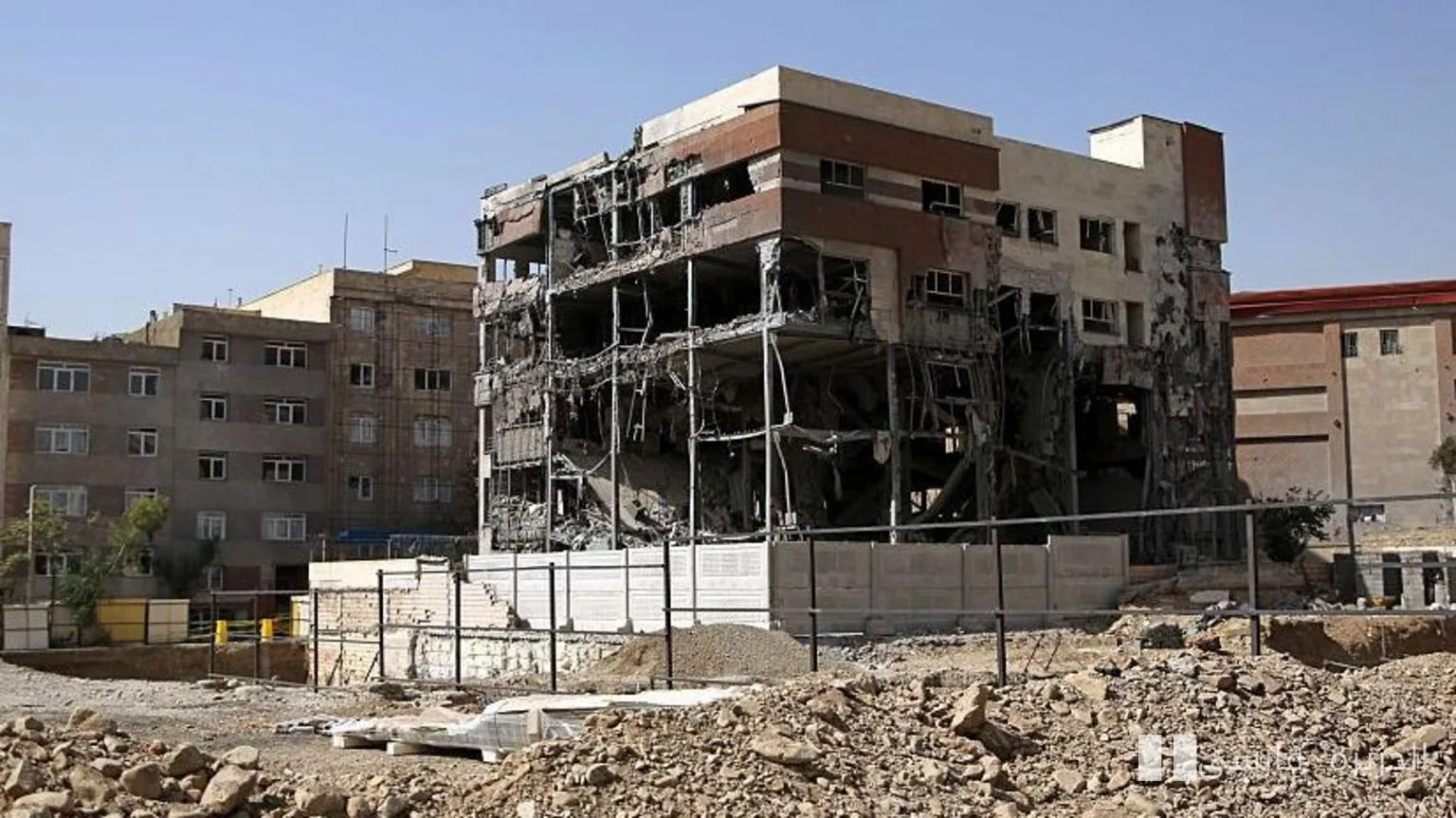
The war in the Persian Gulf, one of the complex and multifaceted crises of contemporary history, has entered a critical phase. Over time and with increasing tensions, it now seems that the involved parties have come to the conclusion that the only solution to this war is to reach a sustainable and acceptable agreement for all.
Recent Developments and Signs of Peace
In recent weeks, signs of diplomacy and a willingness to negotiate have been observed among the parties. These developments could lead to a reduction in tensions and create a suitable atmosphere for dialogue. It appears that both sides have realized that the continuation of this war will only harm their national and economic interests.
Moreover, international pressures and economic sanctions have also acted as deterrents to the continuation of the war. In this context, major countries and neighbors play an important role as mediators in facilitating negotiations.
Challenges and Obstacles Ahead
However, many challenges lie ahead for these negotiations. Differences of opinion on key issues, including borders and natural resources, could hinder reaching an agreement. Additionally, various groups within each country may influence the negotiation process and try to defend their own interests.
Ultimately, the war in the Persian Gulf is approaching a turning point, and only time will tell whether the parties will be able to overcome the obstacles and reach an agreement. But what is clear is that the continuation of the war is not in anyone's interest and will affect the entire region.