الجزیره فارسی
پایگاه خبری و تحلیلی
الجزیره فارسی
پایگاه خبری و تحلیلی 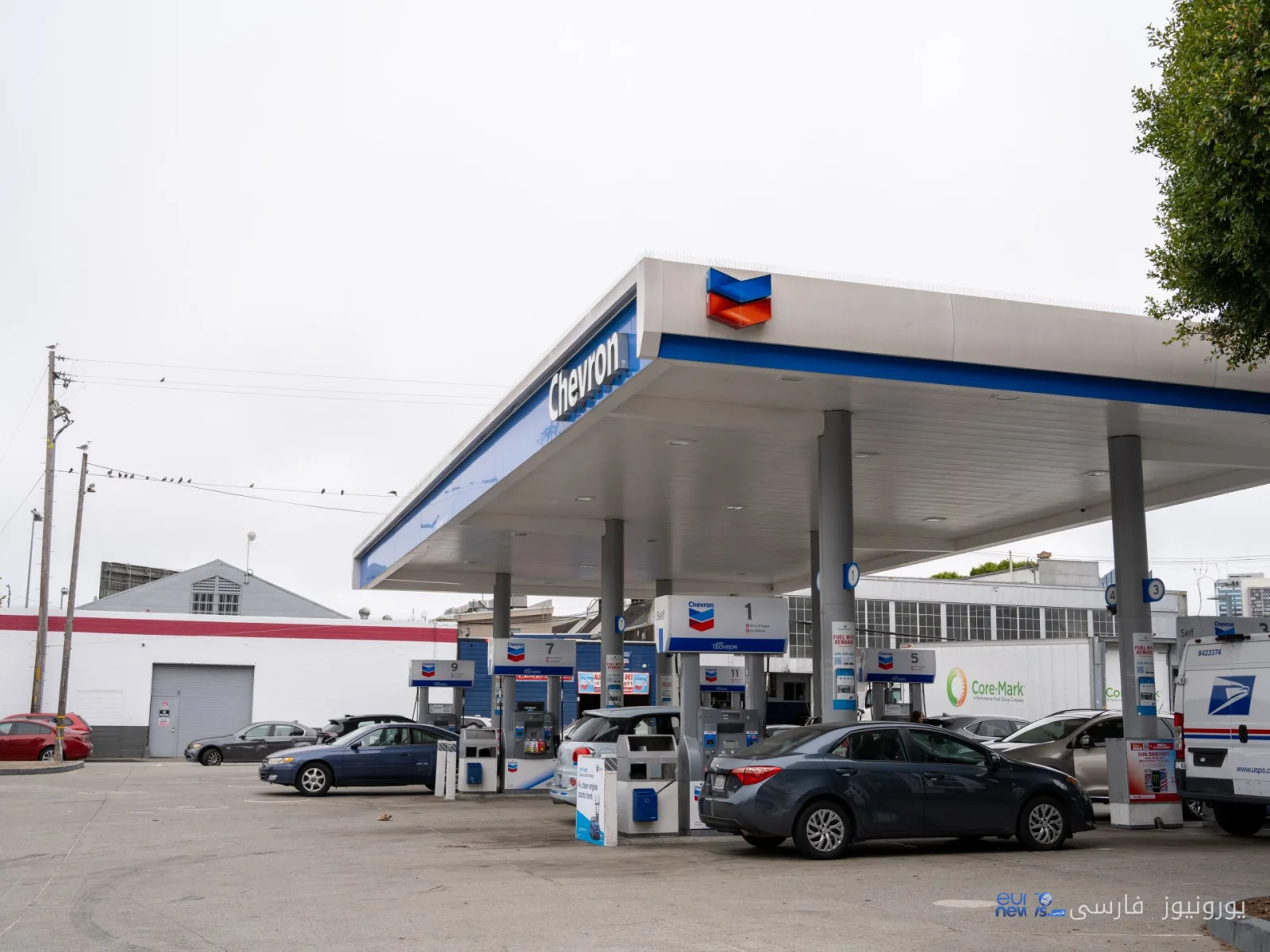
As the United States continues to strive to mitigate the economic impacts of global crises and geopolitical tensions, gasoline prices in the country have reached a critical point. In recent years, with the increase in sanctions and military actions against Iran, Washington expected to effectively influence the energy market. However, reality shows that this strategy has not only been unsuccessful but has also led to rising prices.
Factors Influencing Fuel Price Increases
The increase in fuel prices is directly related to disruptions in the global supply chain, rising demand, and also the inability to produce domestic oil. Although the United States is recognized as one of the largest oil producers in the world, it faces serious challenges in infrastructure and investment in the energy sector. These issues, along with fluctuations in global oil prices, have created conditions that make controlling prices a difficult task.
Moreover, the rising cost of living and inflation in other sectors have significantly impacted consumers' purchasing power. This issue could lead to increased public dissatisfaction with the government and consequently, a decrease in Republican votes in the upcoming elections.
Political Consequences of Rising Gasoline Prices
Analysts believe that rising gasoline prices could lead to Republican defeats in the upcoming midterm elections. In such circumstances, any government effort to justify this situation will easily face public dissatisfaction. For this reason, Republicans must seek immediate and effective solutions to reduce prices; otherwise, the risk of losing their majority in Congress will significantly increase.
Ultimately, it seems that Washington needs a serious reevaluation of its policies to overcome these economic and political challenges. Otherwise, a dark future awaits the government and the economy of the United States.