الجزیره فارسی
روایت خاورمیانه
الجزیره فارسی
روایت خاورمیانه 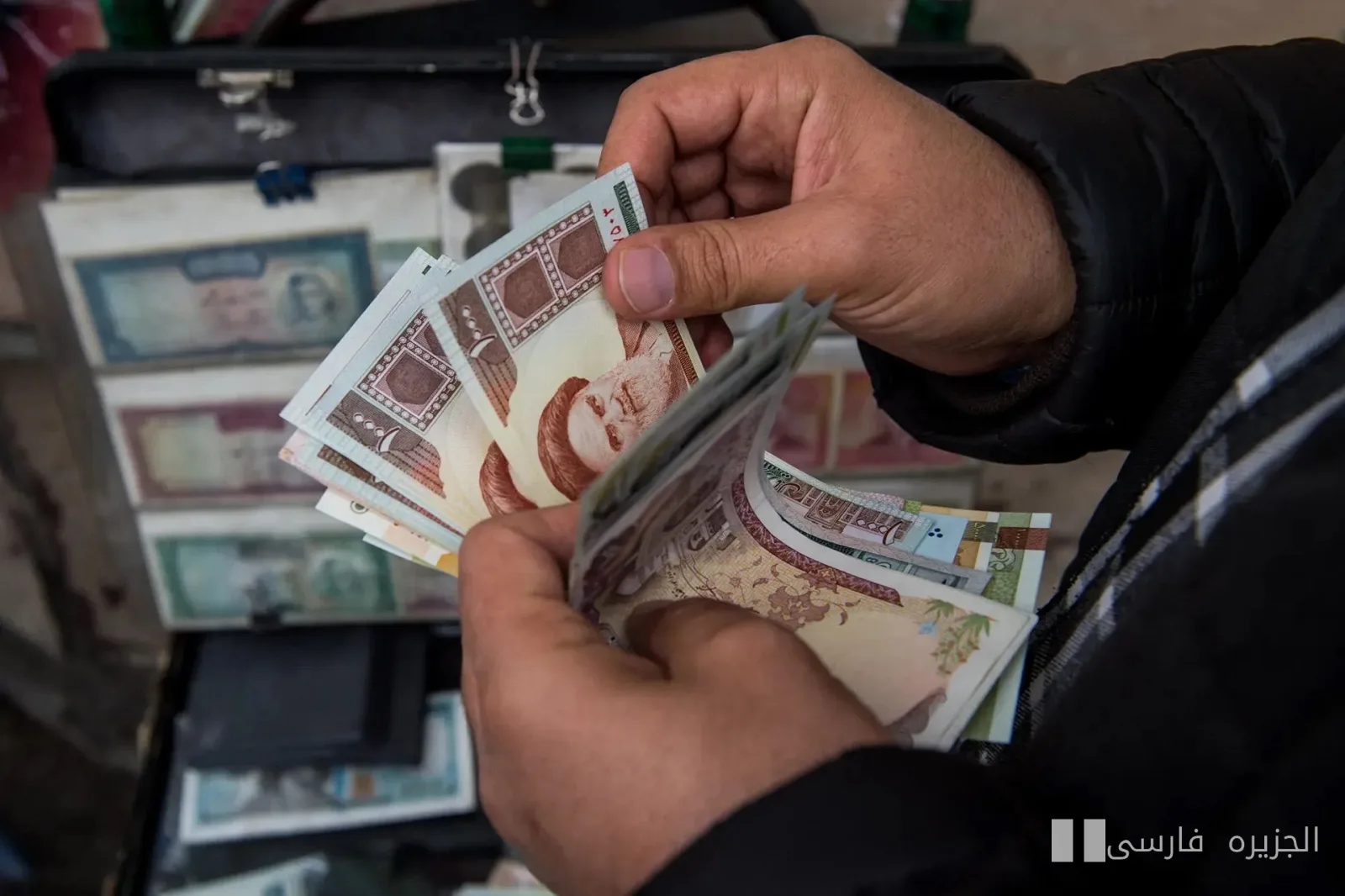
In the midst of war, escalating sanctions, and the complexities of trade and transfers, the Central Bank of Iran has taken a controversial step: injecting billions of dollars into the currency market. This effort to save the rial comes at a time when there are many questions about the Central Bank's actual ability to keep the currency market under control.
Monetary Policies and Economic Crises
While the Iranian economy is under unprecedented pressure, the Central Bank has announced that it can manage the currency market using its foreign reserves. However, behind this claim lie harsh realities. Lack of transparency regarding the actual volume of foreign reserves and the country's economic situation raises serious concerns.
As the crisis intensifies, many analysts express doubts about the sustainability of these policies. Are these injections merely a temporary solution that will ultimately lead to further depletion of foreign reserves? Or has the Central Bank truly managed to overcome the crisis?
The Impact of Economic Decisions on Daily Life
The effects of these decisions are felt not only in the currency market but also in the daily lives of people. Rising prices and decreasing purchasing power have led to widespread dissatisfaction among citizens. In this situation, the question is whether the Central Bank can fulfill its promises or if it is merely trying to postpone the crisis for another time?
It seems that the near future of the currency market and the economic situation in Iran heavily depends on these decisions. While there are hopes for improvement, economic realities and existing instabilities continue to cast a shadow over the fate of the rial.