الجزیره فارسی
روایت خاورمیانه
الجزیره فارسی
روایت خاورمیانه 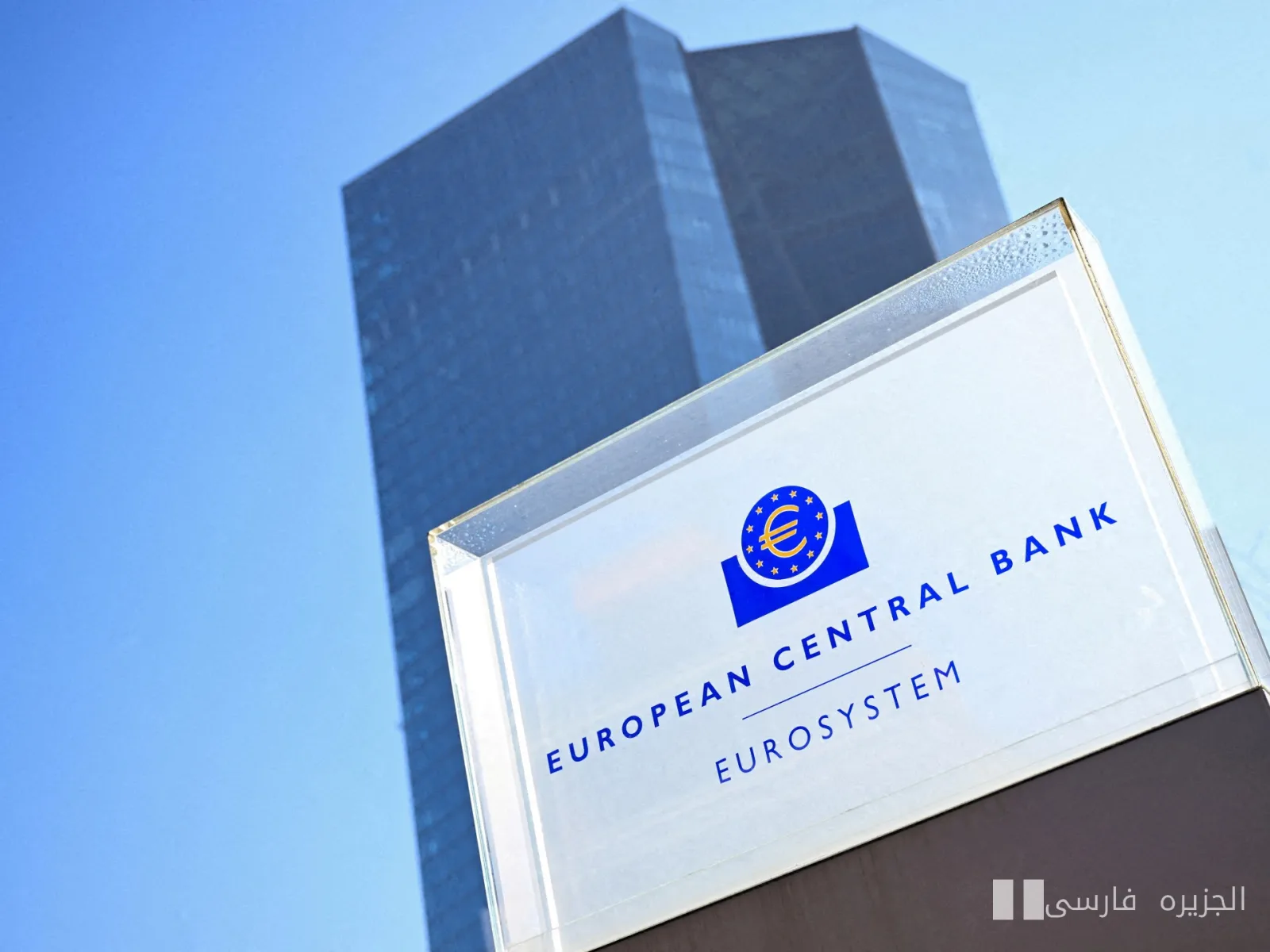
According to recent statistics, the European Central Bank is on the verge of deciding to raise interest rates for the second time this week. The inflation rate in this region has reached ۳.۳ percent, raising significant concerns in financial markets.
Challenges from Rising Prices
The increase in energy prices and other goods has severely impacted people's purchasing power, and it seems that markets predict this trend will continue. Therefore, given the current conditions, the European Central Bank is seeking solutions to control inflation. Raising interest rates could be one of these solutions, which will deeply affect loans and the cost of living.
This decision will not only impact financial markets but also affect the daily lives of citizens. An increase in interest rates means higher costs for borrowers and consequently a reduction in consumption and investment. This cycle could lead to an economic recession, raising significant concerns.
Uncertain Future
As price increases continue, markets are heavily hopeful for further interest rate hikes in December. These hopes have arisen due to uncertainty in predicting the inflation rate and fluctuations in the energy market. If the European Central Bank intends to continue on this path, it could have serious consequences for the Eurozone economy.
While the decisions of the European Central Bank are under review, the question remains whether these actions will be able to control the inflation crisis. It seems that at this point in time, economic challenges are increasing not only in Europe but globally as well, creating multiple risks.