الجزیره فارسی
روایت خاورمیانه
الجزیره فارسی
روایت خاورمیانه 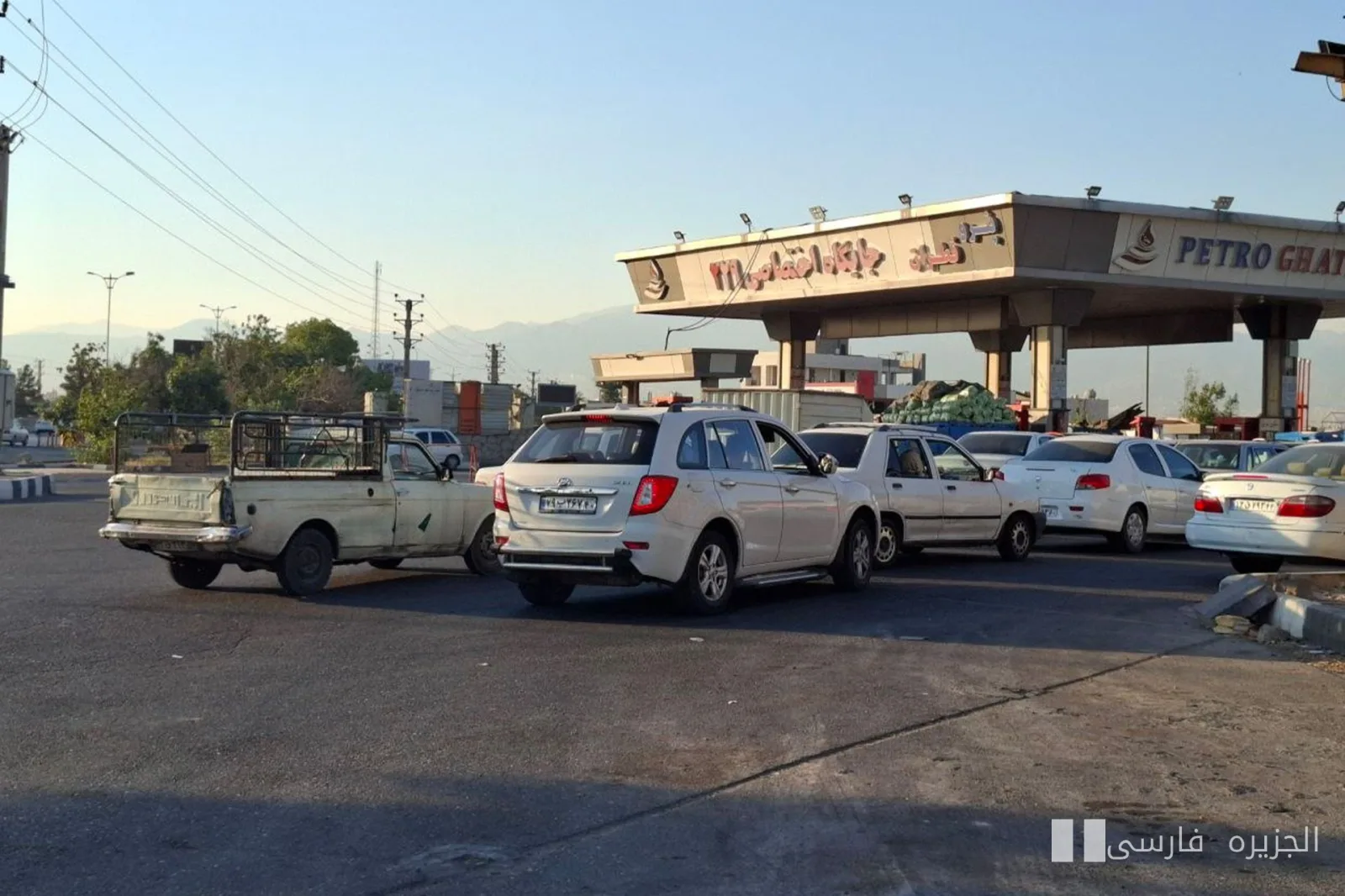
In recent days, the increase in gasoline prices in Iran has become one of the hot media topics. The government has decided to raise prices with the aim of controlling the economic crisis and reducing demand. But can this action help solve the deeper problems that the Iranian economy faces?
Effects of the Increase in Gasoline Prices
It seems that the increase in gasoline prices has raised more concerns among the people. Citizens view this decision as a new burden on their shoulders given the current economic situation. In fact, the increase in prices not only affects transportation costs but will also have a cascading effect on the prices of other goods and services.
Economists believe that the increase in gasoline prices may lead to a reduction in consumption and improve the government's financial situation in the short term, but in the long term, this action could lead to social discontent and more serious economic crises. In other words, can the increase in prices as a solution address the structural problems of the Iranian economy?
Economic Crisis and Public Discontent
An examination of Iran's economic situation shows that various factors such as international sanctions, inefficient management, and systemic corruption have led to multiple crises. In this context, the increase in gasoline prices as an immediate measure may only serve as a temporary remedy and may not create fundamental improvements in the economic situation.
On the other hand, public discontent with this decision may lead to social movements and wider protests. History has shown that any change in gasoline prices can act as a spark for social protests. Therefore, is the government really prepared to face the consequences of this action?
Ultimately, it seems that the increase in gasoline prices should be accompanied by other economic and social policies to effectively help solve the existing crises. Undoubtedly, this issue will remain in the spotlight, and it remains to be seen what its future will hold.