الجزارا فارسی
روایت خاورمیانه
الجزارا فارسی
روایت خاورمیانه 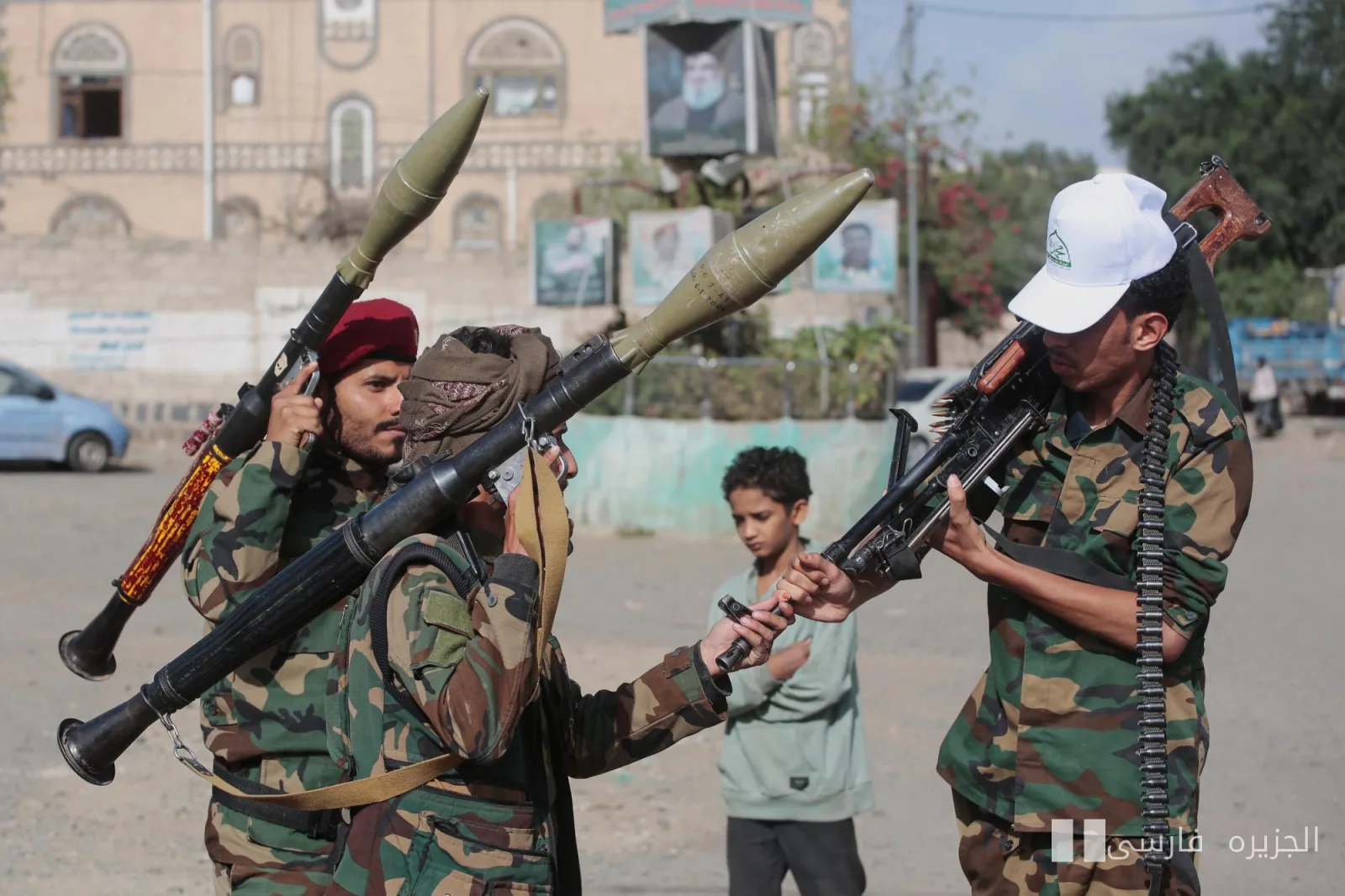
Yemen is moving towards a deeper crisis and possibly a return to civil war. While Iranian-backed rebels have made serious threats against a vital oil transport route, the country is in a state of instability that could have broad implications for the entire region.
Escalating Tensions in Yemen
In recent years, Yemen has become one of the critical points in the Middle East. The Houthi rebels, who are heavily supported by Iran, have been continuously increasing pressure on the central government in an effort to expand their influence in key areas of the country and threaten to close strategic oil routes. These actions not only jeopardize Yemen's security but could also impact the global oil market.
With the continuation of these tensions, the likelihood of a return to civil war in Yemen has significantly increased. Military conflicts in various regions of the country are intensifying, and this situation exacerbates the humanitarian crisis. Hunger and homelessness have become major issues for the people of Yemen, with no signs of improvement on the horizon.
Security and Economic Consequences
The threats from the Houthi rebels regarding control over oil transport routes clearly demonstrate their determination to influence global oil prices and energy security in the region. Given that the Strait of Hormuz is one of the most important oil transit points in the world, any disruption in this route could worsen the situation even further. These developments, especially at a time when the world is in need of energy, could have serious repercussions for oil-dependent economies.
Ultimately, Yemen is on the brink of another major crisis. With foreign interventions and internal unrest, the country has become one of the hot spots in the Middle East that requires special attention. Is the international community prepared to prevent a humanitarian disaster and a new security crisis in Yemen?