Al Jazara
روایت خاورمیانه
Al Jazara
روایت خاورمیانه 
Abbas Araghchi, the Foreign Minister of the Islamic Republic, met and discussed with Wang Yi, his Chinese counterpart, during a visit to Beijing. In this meeting, Wang Yi emphasized returning to the Islamabad agreement as a solution to the current crisis between Iran and the United States.
China's Proposal for a New Security Structure
This discussion took place after Beijing had proposed a four-point plan to establish a new security structure in the region. Xi Jinping, the President of China, also urged the BRICS member states at the summit in India to play a mediating role in the Middle East conflict.
Read more: Shoiab Bahman: The postponement of the Oman meeting is a sign of a shift in the diplomatic balance
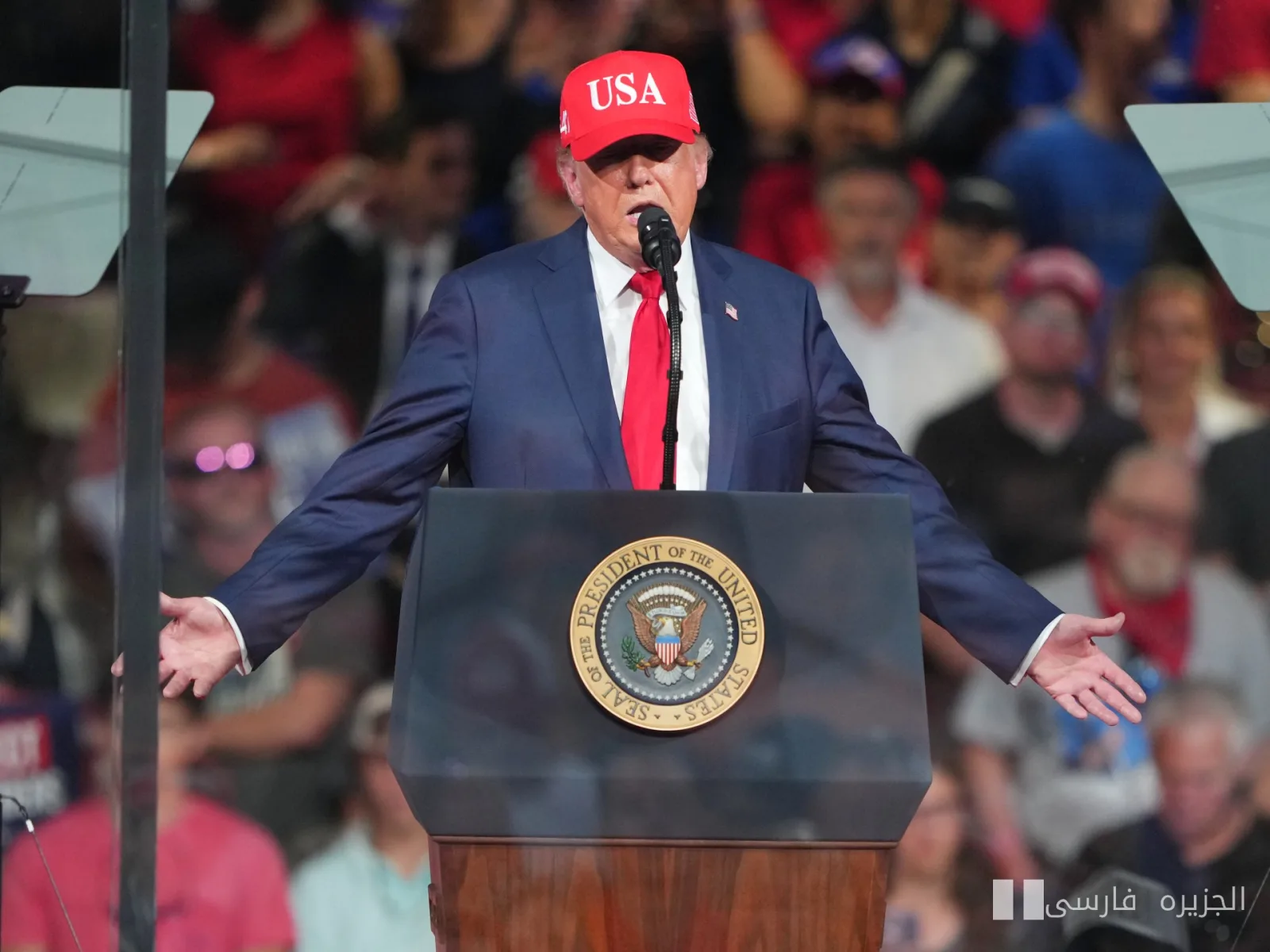
Meanwhile, the President of China is set to meet with Donald Trump at the White House soon, and many believe that the issue of Iran will also be discussed in this meeting. Given the recent positions of the Chinese, the question arises whether Beijing will emerge as a mediator between Tehran and Washington?
Hashemollah Falahatpisheh's Analysis of Araghchi's Trip
Araghchi's trip to China occurred before Xi Jinping's meeting with Trump, and Hashemollah Falahatpisheh, an international affairs analyst and the head of the National Security Commission of the tenth parliament, has analyzed this trip in an interview with a media outlet. He criticized the country's foreign policy performance, stating that China has serious limitations for mediating between Iran and the U.S., and if it enters the crisis, it will likely coordinate more with the U.S. and the Arab countries in the region.
Falahatpisheh also pointed to the weakness of the foreign policy of Mr. Pezeshkian's government and said, "Iran must cooperate with regional countries to strengthen its diplomacy." He stated that Iran's relations with China and Russia are more like a "strategic mirage," adding that these countries see Iran as a "bulwark" against the U.S.
Currently, Falahatpisheh believes that the total relations between China and the U.S. and the Arab countries in the region exceed one trillion dollars, which means that if China enters the mediation space, it will first coordinate with the U.S. and the regional countries. He also referred to the failure of negotiations and diplomacy in the current situation, stating that if there is a glimmer of diplomacy, it will be created through regional cooperation.
Read more: Abdul Jalil Shaif: The Houthis' control over the Bab al-Mandab Strait is like an atomic bomb · South Korean Foreign Minister: No decision has been made regarding military deployment in the Strait of Hormuz