Al Jazara
روایت خاورمیانه
Al Jazara
روایت خاورمیانه 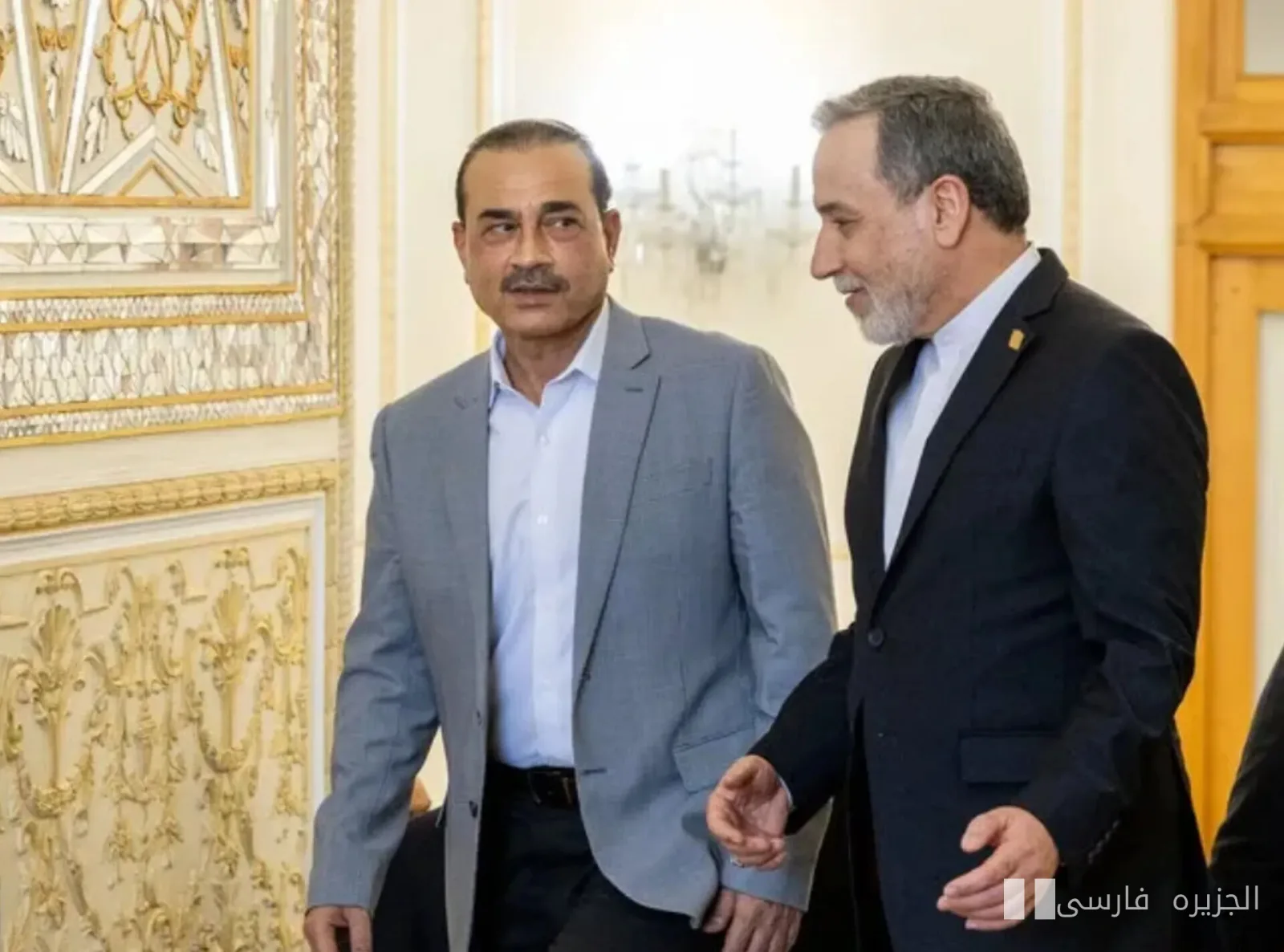
Asim Munir, the Chief of Army Staff of Pakistan, in a phone conversation with Abbas Araghchi, Iran's senior diplomat, called for the use of Tehran's influence over the Ansar Allah group in Yemen to prevent attacks on Saudi Arabia's energy facilities. This conversation took place on Wednesday, coinciding with Araghchi's visit to China.
Pakistan's Efforts to Resolve the Middle East Crisis
Government sources in Islamabad stated that this request was made as part of Pakistan's efforts to achieve a negotiated solution to the Middle East conflict. Asim Munir is seeking to create a diplomatic space and reduce tensions in the region, and in this regard, he told Araghchi that Iran's influence should be used to persuade Ansar Allah.
Read more: Australia to Detain Tourists with Expired Visas from Now On
Pakistan has previously expressed its concerns about escalating tensions in the Middle East and emphasized the importance of peace and stability in the region. In this context, Pakistan's Foreign Ministry spokesperson, Sajjad Haider Khan, told reporters that Islamabad is committed to fulfilling its defense agreements with Saudi Arabia and Turkey.
Iran's Response and Future Prospects
Ismail Baqaei, the spokesperson for Iran's Foreign Ministry, in response to Asim Munir's request, stated that Tehran does not interfere in Yemen's affairs and described Ansar Allah as independent actors. However, news sources indicated that Araghchi's response to Pakistan's request was "promising," although no further details were provided.
Additionally, these discussions included talks about reviving direct negotiations between the United States and Iran. Araghchi emphasized during the conversation that Iran is ready to return to negotiations, provided that the United States stops hostilities in the Strait of Hormuz.
China has also acted as an active mediator in this process and is assisting Pakistan's efforts to revive negotiations. Wang Yi, China's Foreign Minister, during his meeting with Araghchi, stressed the need for rationality and restraint between Iran and the United States and added that China does not want to witness an escalation of regional tensions.
Meanwhile, the situation in Yemen and Bab al-Mandab is extremely concerning. Since capturing Sanaa in 2014, Ansar Allah has been engaged in a prolonged war with the Yemeni government and the Saudi-led Arab coalition. In recent weeks, this group has announced a naval blockade of Riyadh and launched new attacks, leading to an increase in oil prices in the global market.
Read more: Lebanon Accuses 14 Individuals Including a Hezbollah Member and a Former Syrian Intelligence Officer · Collision of Indian and Pakistani Vessels in the Arabian Sea Raises Concerns