Al Jazara
روایت خاورمیانه
Al Jazara
روایت خاورمیانه 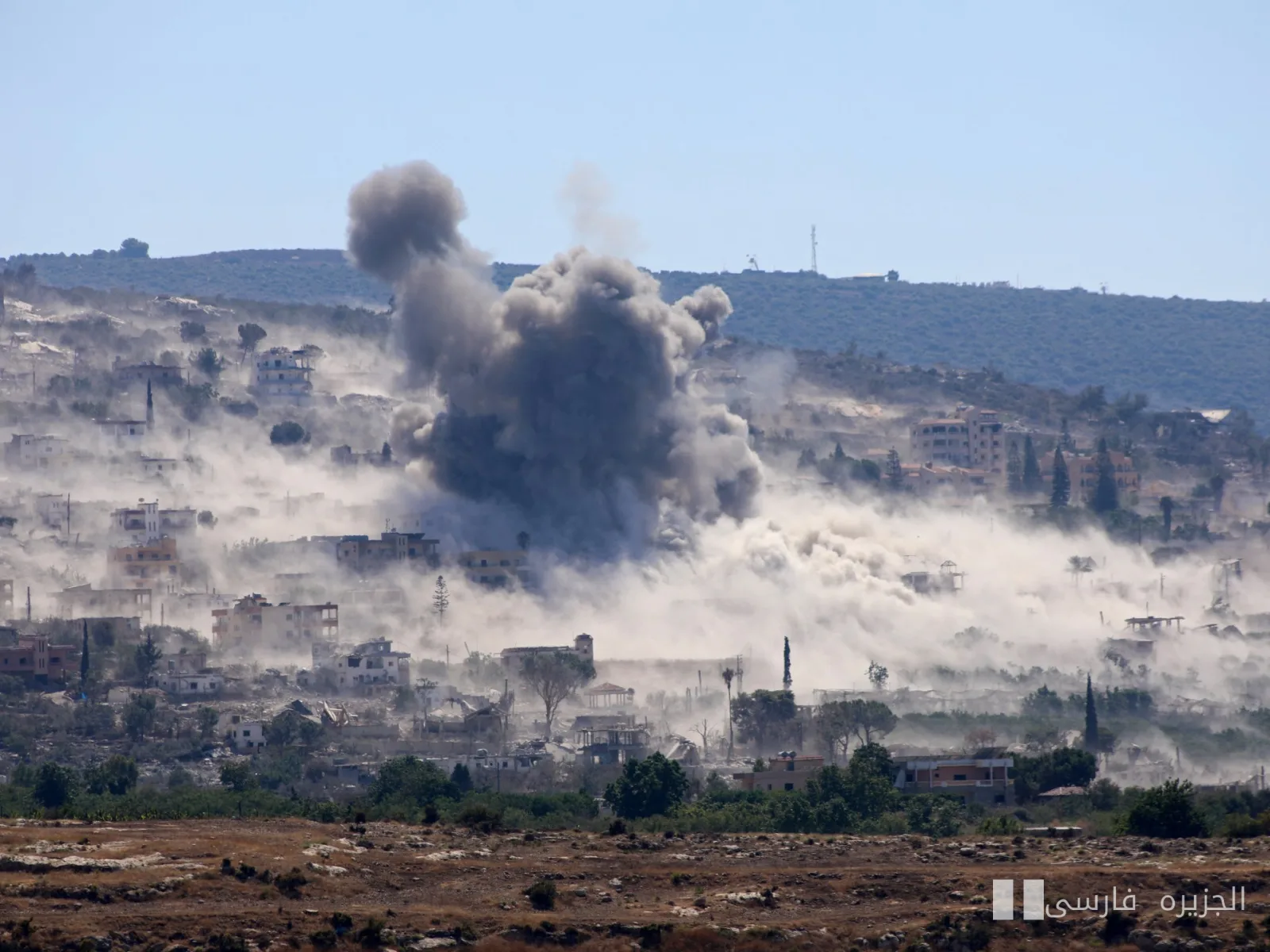
Recent developments at the Lebanon-Israel border have escalated tensions and suspended negotiations to resolve issues between the two countries. While fires and deadly explosions continue in southern Lebanon, the President of Lebanon, Michel Aoun, has clearly stated that there are currently no new negotiations with Israel on the agenda.
Border Tensions and Their Impact on Negotiations
Following several explosions in southern Lebanon, the situation has become highly tense, indirectly affecting the negotiation process. Michel Aoun expressed concern over the current situation, emphasizing that any efforts for dialogue must take place in a secure environment free from military threats. He also pointed to the necessity of a more comprehensive approach to solving problems, stating: "We must engage in dialogue in a calm atmosphere and with respect for each other's sovereignty."
The Future of Lebanon-Israel Relations
This development occurs amid growing concerns about the humanitarian and social repercussions of these tensions. Many residents of Lebanon's border areas have been forced to leave their homes due to insecurity, exacerbating the humanitarian crisis in the region. Additionally, some analysts believe that the inability to reach an agreement and the continuation of tensions could lead to a larger conflict.
Meanwhile, the international community is closely monitoring the situation, urging both sides to turn to diplomacy and peaceful solutions. In this context, the future of Lebanon-Israel relations and the possibility of resuming negotiations remain shrouded in uncertainty.