Al Jazara
روایت خاورمیانه
Al Jazara
روایت خاورمیانه 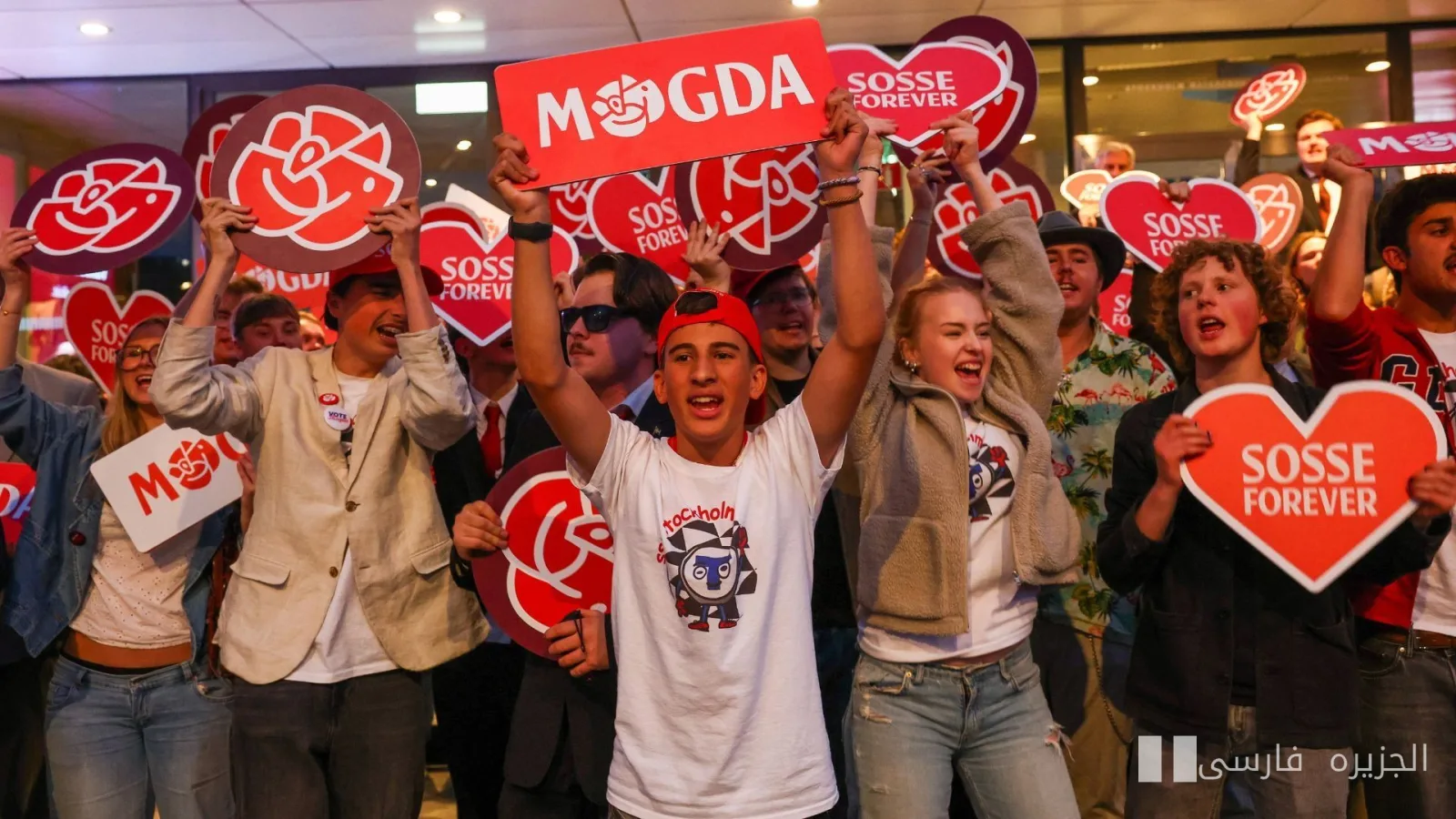
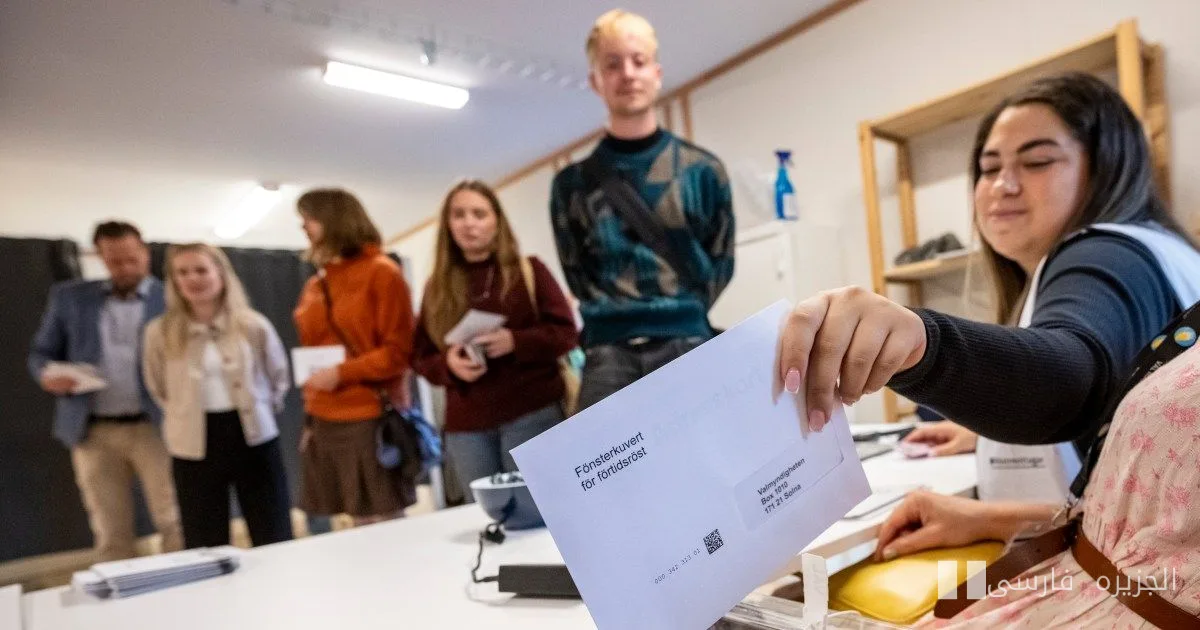
The Swedish elections on September 17, 2023, witnessed a close competition among political parties. In this election, the center-left leftist bloc secured 176 seats in the 349-member parliament (Riksdag), taking the lead. Meanwhile, support for right-wing parties, particularly those affiliated with the current government, has declined.
Initial Election Results
According to preliminary reports, four opposition and leftist parties have collectively secured 176 seats, while the remaining seats belong to four parties supporting the current government. These results may change until Wednesday when overseas and early votes are counted. Observers note that if the Swedish leftist bloc wins, forming a government may face challenges, especially due to ideological tensions among these parties.
Read more: Germany on the brink of a historic transformation; far-right parties are in the lead
Political Developments and the Right-Wingers' Prospects
Ulf Kristersson, the Prime Minister of Sweden, who has been leading the country since 2022, is seeking a second term. He operates as the leader of a center-right coalition relying on the Sweden Democrats, which has neo-Nazi roots. Although this party has been in parliament since 2010, it has seen a three percent decline in support in this election, dropping from 20.5 percent in the 2022 general elections to 17.5 percent.
Magdalena Andersson from the Social Democrats remains in the lead in this election, but with 28.1 percent of the votes, she has recorded one of the worst performances for this party in over 100 years. These results indicate changes in voter priorities and possibly dissatisfaction with past policies.
Future Outlook and Election Consequences
The decline in support for the Sweden Democrats may stem from changing voter priorities. In the past, many voters supported this party due to its stance on refugees, even if they disagreed with other policies. However, even with a reduced vote share, the Sweden Democrats still hold significant power in parliament.
The close division of votes in parliament will pose a weak margin of operation for any future government and keeps the Sweden Democrats as an unavoidable force in Swedish politics. Overall, this party has rewritten the boundaries of Swedish politics over the past decade, shifting its demands regarding refugee restrictions and stricter immigration policies into the mainstream of national politics.
Read more: Stunning victory of the right-wingers in Saxony-Anhalt · Election of the new UN Secretary-General: Who wants to take on the 'toughest job in the world'?