Al Jazara
روایت خاورمیانه
Al Jazara
روایت خاورمیانه 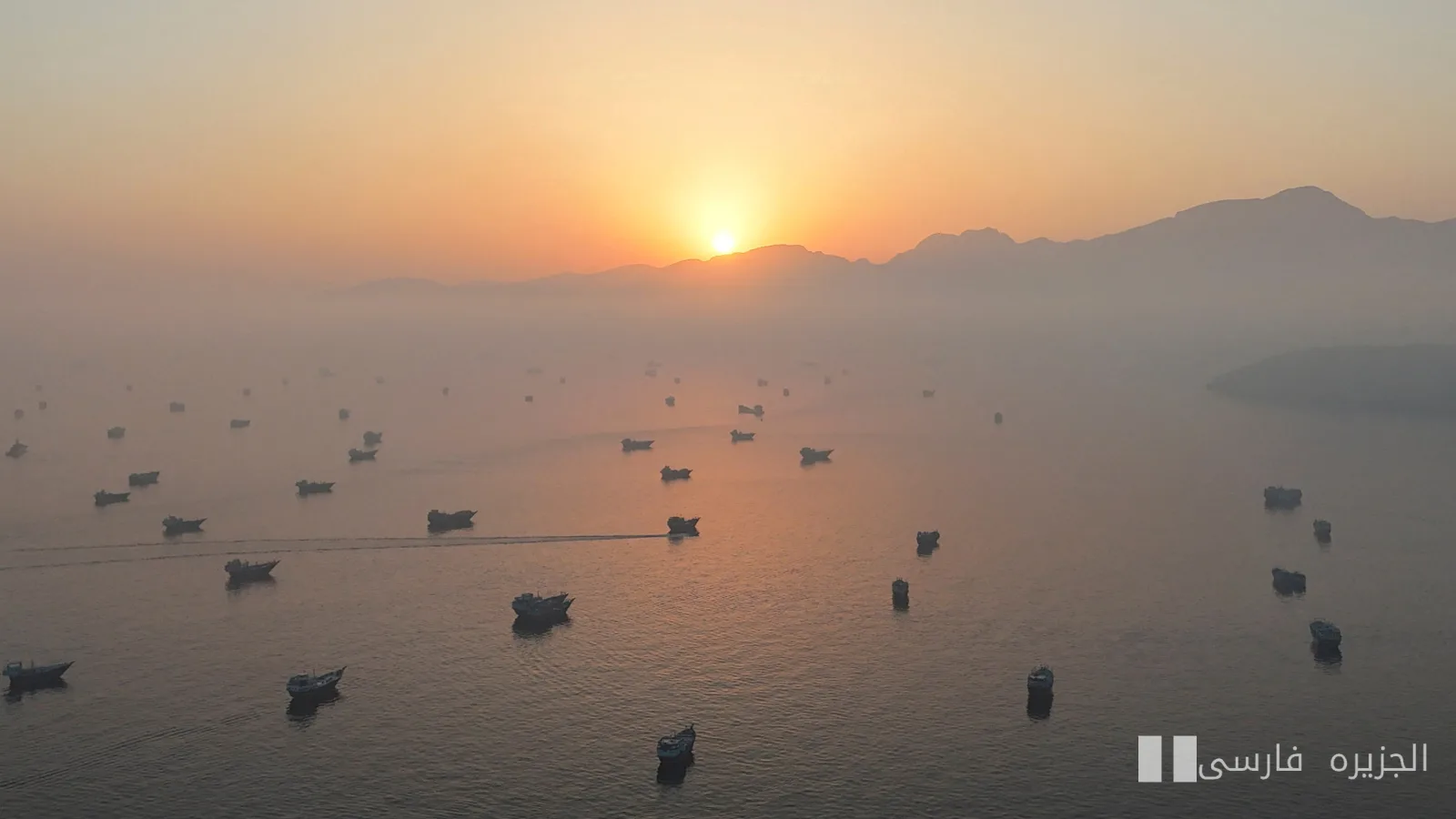
The Strait of Hormuz, recognized as one of the most important waterways in the world, witnessed the exit of only four ships over the past weekend. This number is clearly below the ten-day average, which indicates 14 ships daily. This unprecedented trend in the passage of ships through the Strait of Hormuz has raised concerns regarding its potential impact on global trade and maritime security.
Maritime Traffic Status in the Strait of Hormuz
According to ship tracking data, on Saturday and Sunday, a total of four ships left the Persian Gulf through the Strait of Hormuz. Meanwhile, during the same period, ten ships entered the strait. This statistic clearly indicates a significant reduction in maritime traffic and could lead to changes in trade patterns in the region.
Read more: Dr. Pezeshkian: Iran's economy is open to South Africa
Factors Influencing the Decrease in Maritime Traffic
Analysts believe that several factors may be influencing the decrease in maritime traffic in this strait. These factors include political tensions in the region, increased concerns about maritime security, and changes in market demand. Additionally, some ships may have turned off their automatic identification systems to avoid detection, which could affect the actual traffic statistics.
The Strait of Hormuz is one of the most important strategic points in the world, through which approximately 20% of the world's total oil exports pass. Therefore, any changes in maritime traffic could have widespread impacts on global oil markets and prices. As oil prices fluctuate globally due to various tensions and crises, the decrease in the number of ships may heighten concerns about supply and demand.
Furthermore, given that this strait is recognized as one of the critical points in energy security, any changes in shipping patterns could have serious consequences for countries and companies active in the energy sector. Thus, monitoring developments in this region and analyzing traffic changes is of particular importance for economic and political decision-makers.
Read more: Turkey's Treasury Minister: Ankara does not directly pay for gas imported from Iran · Saudi Arabia in the Yemen crisis and maritime threats