Al Jazara
روایت خاورمیانه
Al Jazara
روایت خاورمیانه 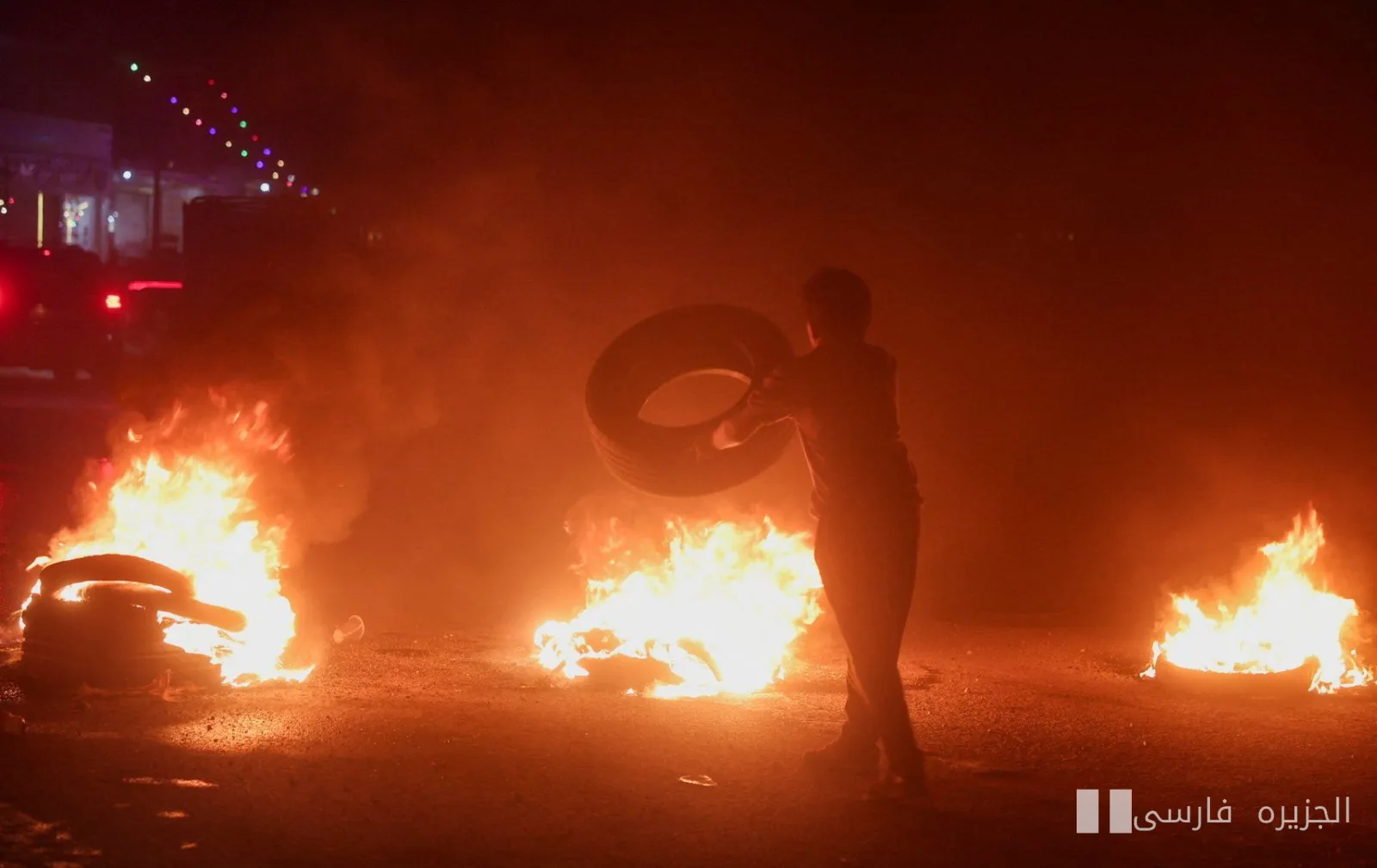
Nationwide protests in Syria have begun following the government's increase in fuel prices. This price hike, announced on Sunday, has led to public discontent and anger among the people. Protesters have taken to the streets in several cities, including Damascus, Aleppo, and Homs, demanding the cancellation of this decision.
Location and Timing of Protests
The protests began in the early hours of Monday, with demonstrators gathering in the streets and blocking highways to make their voices heard by officials. In Damascus, protesters blocked the main highway for several hours and chanted in support of their rights. Similar gatherings took place in Aleppo and Homs, where protesters called for a review of the fuel price increase decision.
Read more: Hakan Fidan Accuses Israel of Destabilizing Syria
Consequences and Government Response
The increase in fuel prices in Syria comes at a time when the country is facing a severe economic crisis. Many people are unable to meet their daily needs due to adverse economic conditions and a lack of financial resources. However, the Syrian government has responded to these protests, emphasizing that the price increases are necessary to secure the financial resources required to continue public services. This decision has led to further tensions in society and heightened concerns about social stability.
Analysts believe that the continuation of this situation could lead to larger-scale protests. People are currently facing numerous problems, including unemployment, inflation, and food shortages, and the increase in fuel prices only exacerbates these issues. While the government is trying to address this crisis, concerns about public discontent and its social consequences remain.
Read more: Tehran and Muscat Delay Negotiations Due to Need for Regional Consensus · Turkish Treasury Minister: Ankara Does Not Directly Pay for Imported Gas from Iran