Al Jazara
روایت خاورمیانه
Al Jazara
روایت خاورمیانه 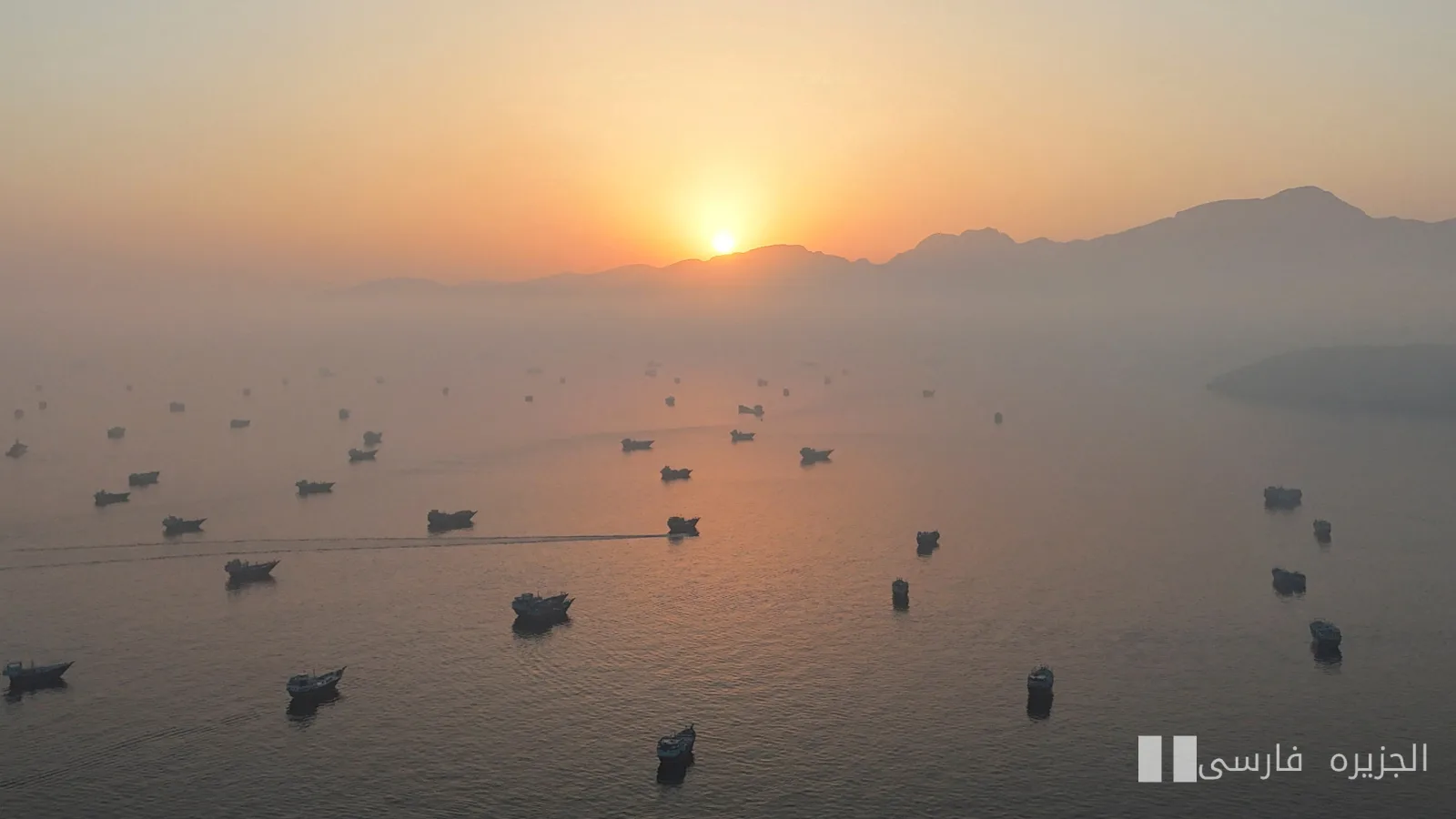
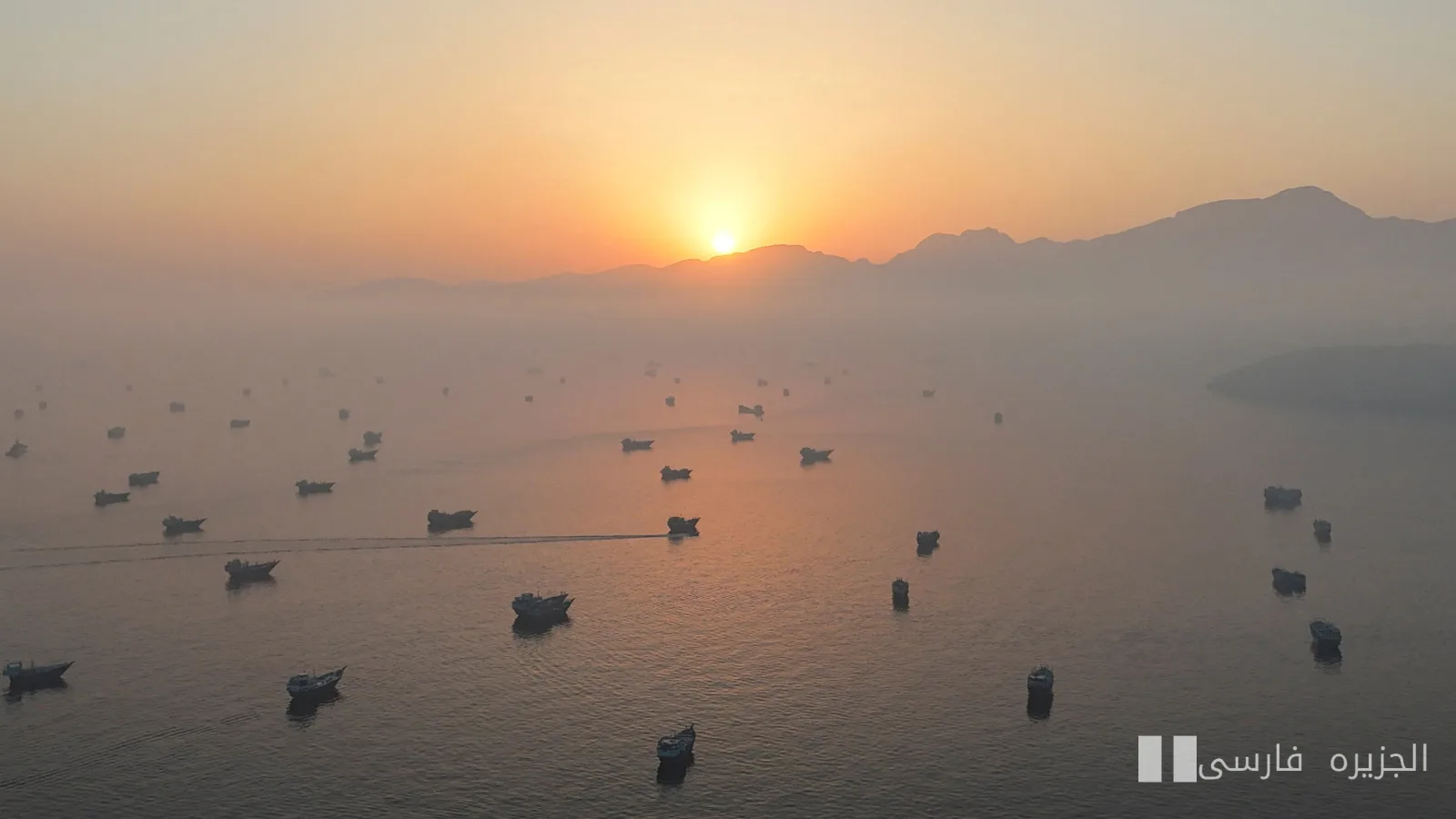
The detention of 101 ships in the Persian Gulf due to Iran's maritime blockade marks a significant development in maritime traffic in this region. This event occurred in the late hours of yesterday, 300 miles off the coast of Iran, while the ships were in transit. According to witnesses, the ships were forced to change course towards other ports.
Details of the Maritime Blockade
Following recent changes in Iran's maritime policies, several commercial and oil tanker ships have had to alter their routes towards other ports. This blockade has been implemented while Iran has recently focused on controlling maritime traffic in the Persian Gulf. Experts say this action could have serious consequences for maritime trade and regional security.
Read more: Tehran and Muscat postponed talks due to the need for regional consensus
Consequences and Reactions
This blockade action has led to increased tensions in international relations and concerns about maritime security in this sensitive region. Several countries, including the United States and the southern Gulf states, have reacted carefully to these developments and emphasized the necessity of maintaining maritime security. Given the economic and strategic importance of the Persian Gulf, this blockade could also have profound impacts on global energy markets.
Analysts believe that this action by Iran is part of the country's new strategies to strengthen its power in the region. However, the continuation of such actions could lead to heightened tensions and jeopardize peace and stability in the Persian Gulf.
Read more: Saudi Arabia faces increasing challenges from the Houthis · Escalation of activities by Iran-aligned groups: The future of the war in Yemen and Iraq is at risk