Al Jazara
روایت خاورمیانه
Al Jazara
روایت خاورمیانه 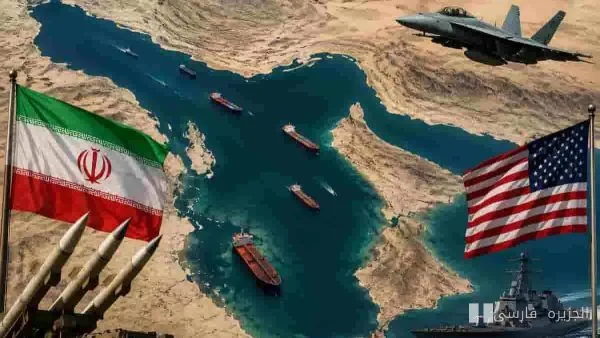
In recent days, concerning news has emerged regarding the intensification of activities by Iran-aligned groups in Yemen and Iraq. With the closure of a significant portion of two essential energy routes, namely the Strait of Hormuz and Bab-el-Mandeb, it seems that these developments could lead to heightened tensions in the region.
New Constraints for the U.S. and Israel
Analysts believe that this increase in activities, especially at a time when the U.S. and Israel are trying to reduce Iran's influence in the region, could lead to new scenarios in proxy wars. The closure of the Strait of Hormuz and Bab-el-Mandeb, as two vital routes for energy transfer, not only affects the global economy but also significantly escalates military conflicts.
Meanwhile, pressures on Western governments to take more decisive actions against Iran-backed groups have increased. Some analysts argue that this situation could turn into a serious global crisis, especially if tensions lead to direct military confrontations.
Economic and Security Consequences
The global economy, particularly in the energy sector, is heavily dependent on the security of these waterways. Any disruption in these routes could lead to rising oil and gas prices and severe economic repercussions for consuming countries. Additionally, this situation could lead to a resurgence of tensions in the Persian Gulf and strengthen militia groups in Iraq and Yemen.
Given these developments, the future of security and the economy in the Middle East is shrouded in uncertainty, and it is unclear whether countries will be able to manage this crisis. It seems that in the coming days, we will witness more reactions from international actors.