الجزارا
روایت خاورمیانه
الجزارا
روایت خاورمیانه 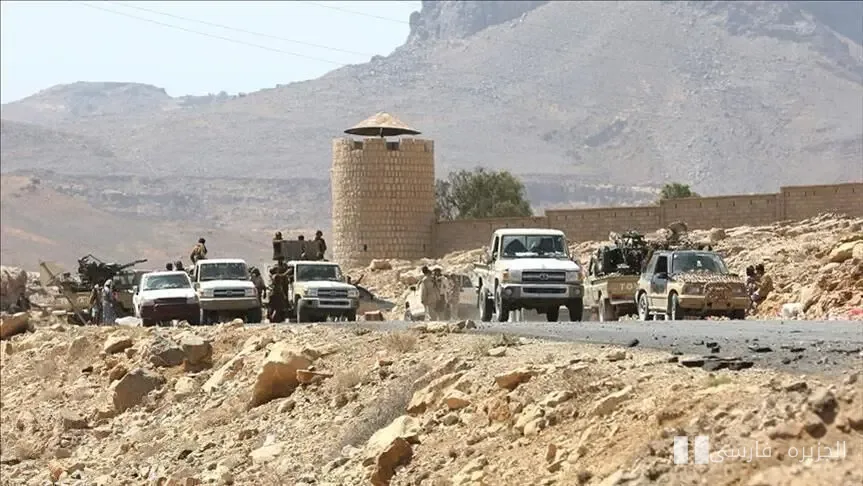
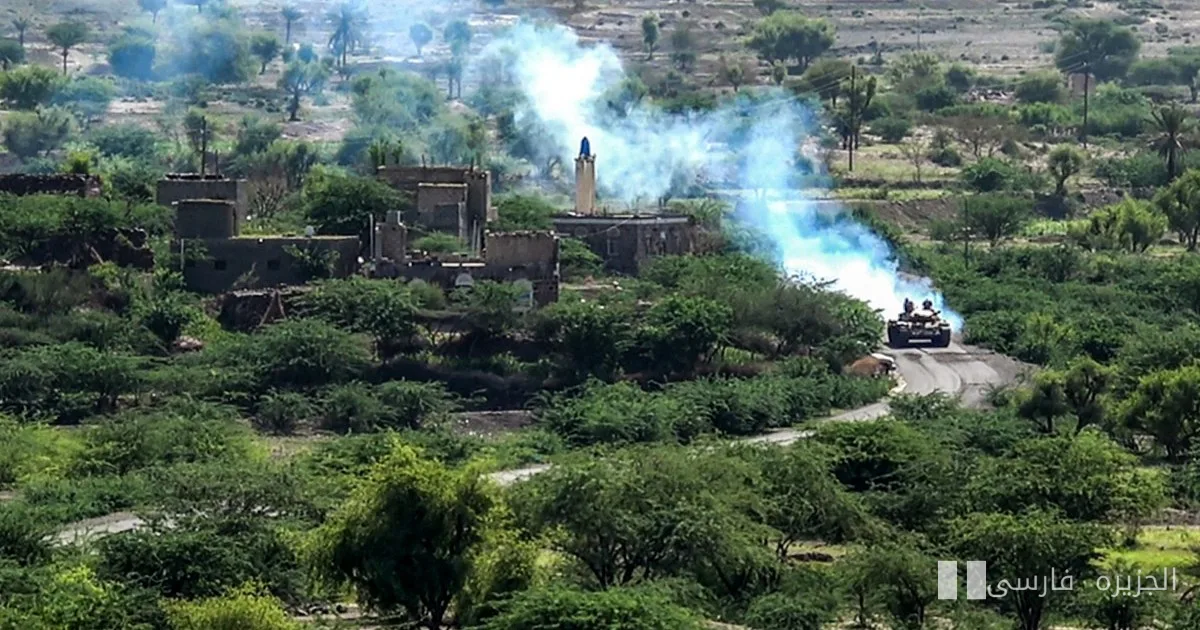
Currently, Saudi Arabia is facing complex challenges regarding the Houthis in Yemen. Dani Citrinowicz, a senior researcher at the Israeli National Security Studies Institute and a member of the Atlantic Council, has analyzed this situation in a new report. He believes that Riyadh is actually faced with a difficult choice between "two strategic defeats": either to concede to the demands of the Houthis and prevent the strengthening of this group, or to continue confrontation and enter a costly and protracted war.
A strategic trap for Saudi Arabia
Citrinowicz describes the current situation as a "strategic trap" for Saudi Arabia. He believes that if Riyadh wants to reduce tensions, it must concede to some of the core demands of the Houthis and reduce the existing restrictions in areas controlled by this group. This action could lead to a cessation of attacks in the short term, but according to Citrinowicz, it will strengthen the economic and military capabilities of the Houthis and pose a greater threat to Saudi Arabia in the future.
The costs of war and asymmetry
On the other hand, continuing the confrontation with the Houthis will also incur heavy costs for Saudi Arabia. Citrinowicz points to the rising costs of war and states that Houthi attacks and the actions of their Iraqi allies against Saudi energy infrastructure, such as the "East to West" pipeline, could turn this conflict into a direct threat to Riyadh's economic interests. He also emphasizes the fundamental differences between the two sides: Saudi Arabia needs stability and security to advance its economic plans, while the Houthis are less dependent on these factors.
The Israeli analyst emphasizes that this asymmetry could turn against Saudi Arabia in a prolonged war. Riyadh has more infrastructure and assets that need protection, and the longer the instability lasts, the more vulnerable this country will become. Citrinowicz believes that flexibility and concessions from Saudi Arabia may create short-term calm, but the price will be the strengthening of the Houthis.
Ultimately, Citrinowicz warns that without broader international intervention and participation, Saudi Arabia is on a difficult path and must choose between empowering the Houthis or enduring a protracted war. He emphasizes that the longer this confrontation continues, the more opportunities the Houthis will have to exploit Saudi weaknesses, and the situation will become more complex for Riyadh.