Al Jazara
روایت خاورمیانه
Al Jazara
روایت خاورمیانه 
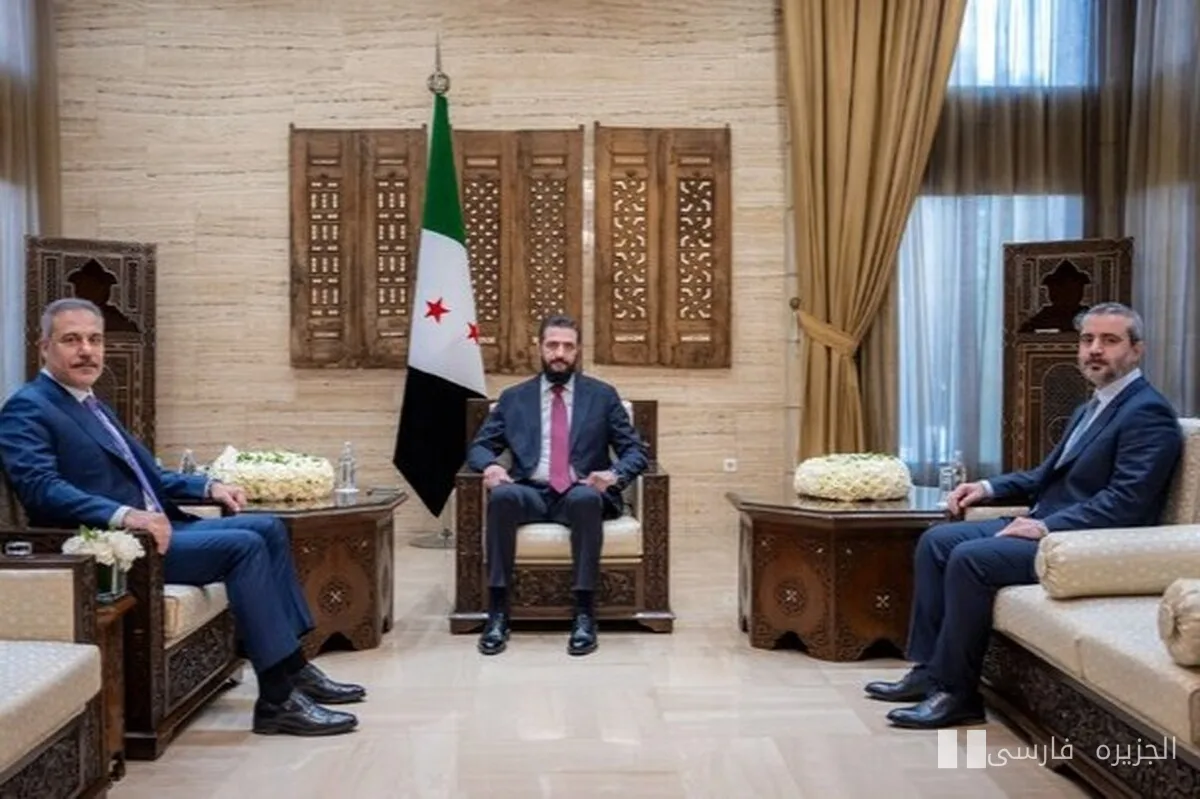
Syria, a country that has finally entered a new era after a decade of civil war and repression, has witnessed many developments since December 2024 with the fall of Bashar al-Assad, the former dictator. However, the new realities regarding human rights, especially in this war-torn country, have raised serious questions for the international community.
Fundamental Changes in the Human Rights Situation
New reports indicate that with the departure of the former regime, some basic human rights are gradually being restored. Freedom of expression has improved, and people are increasingly raising their voices. However, these changes have not been without challenges; in some areas, new armed groups have emerged that may pose just as much of a threat to human rights.
International human rights organizations, particularly in their recent reports, have emphasized the need for close monitoring of these developments. They warn that chaos resulting from the regime's fall should not lead to new human rights violations. In fact, the human rights situation in Syria has not yet fully improved, and many problems remain.
Challenges and Hopes
While some areas of Syria are moving towards improvement, in other regions, violence and repression continue. People in areas such as the northwest of the country are facing serious human rights violations, and this undermines hopes for a free and democratic Syria.
Ultimately, the changes in Syria depend not only on rescuing the people of this country from the grip of dictatorship but also on the need for international support and oversight to ensure human rights and true democracy. It is time for the international community to pay closer attention to these developments and continue supporting the people of Syria.