Al Jazara
روایت خاورمیانه
Al Jazara
روایت خاورمیانه 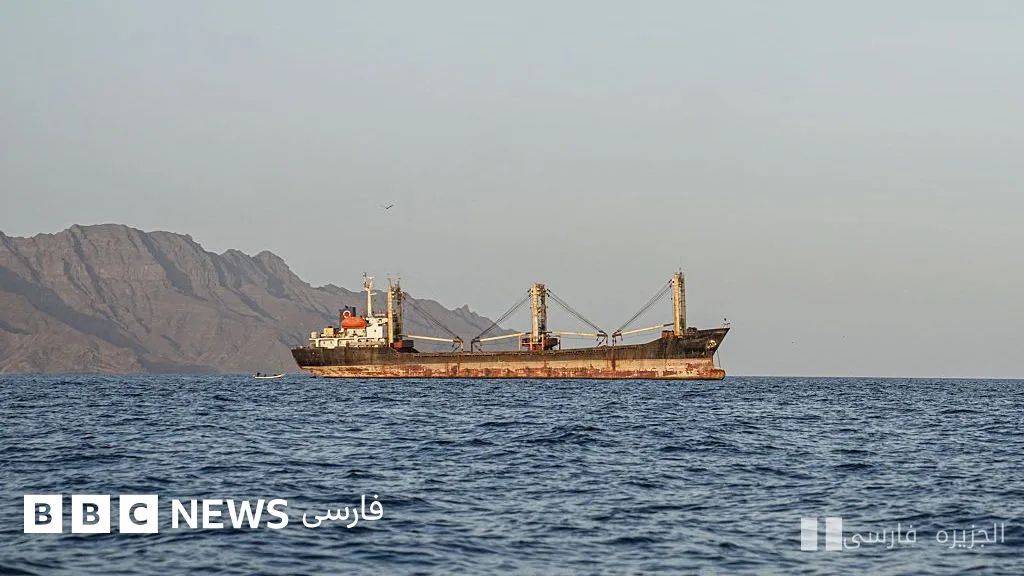
On Tuesday evening, November 20, 2023, the U.S. House of Representatives passed a resolution for the third time aimed at ending the war with Iran. In this session, seven Republican representatives joined the Democrats in supporting this plan. These developments come as the economic pressures from the war and rising military costs have once again drawn analysts' attention.
Military Costs and Defense Challenges
Reports indicate that U.S. military costs reached approximately $38 billion by August 1, 2023. These costs, combined with pressure on missile defense reserves and difficulties in supplying munitions, have created new problems for the Washington government. According to experts, these pressures have arisen particularly following the advances of Iranian-backed Houthis at the entrance to the Red Sea, threatening trade and energy routes.
Read more: The United States Warned Its Citizens Against Traveling to Saudi Arabia
Houthi Advances and Their Impact on Regional Security
The advances of the Houthis along the Red Sea coast have led analysts to conclude that Iran has gained a new leverage to threaten trade and energy routes. The capture of strategic areas such as Mokha, Dhubab, and Perim Island has strengthened this group's position in the Bab-el-Mandeb Strait. According to 2023 UN statistics, about 8.7% of global maritime trade passes through this passage, and disruptions could have profound effects on global energy prices and the movement of goods.
Meanwhile, Saudi Arabia is also at the center of these pressures. Recent attacks on the East-West pipeline in Saudi Arabia, which transports up to seven million barrels of oil daily to the Red Sea, have highlighted this country's vulnerability to Iranian threats. This situation could increase the costs of confronting Iran for the U.S. and its allies and lead to increased economic pressures on Washington and its partners.
According to Denis Citrinovich, a researcher at the Institute for National Security Studies in Israel, these developments represent a strategic achievement for Iran and the Houthis, while also potentially increasing pressure on the Trump administration.
At the same time, in light of Iran's more complex attacks, the U.S. has been compelled to use a large number of interceptor missiles. This pressure on the defensive reserves of the U.S. and its allies has raised concerns about the country's readiness to confront potential threats from China and Russia.
According to U.S. officials, in response to recent Iranian attacks, U.S. forces fired about 20 ballistic missiles at Jordan and launched 60 to 70 Patriot interceptors; this level of consumption, according to experts, is roughly equivalent to a week's usage in other periods of the war.
Read more: Significant Increase in Violence Related to Al-Qaeda and ISIS in the Sahel Region · Geneva Talks to End the War in Eastern Democratic Republic of the Congo