Al Jazara
روایت خاورمیانه
Al Jazara
روایت خاورمیانه 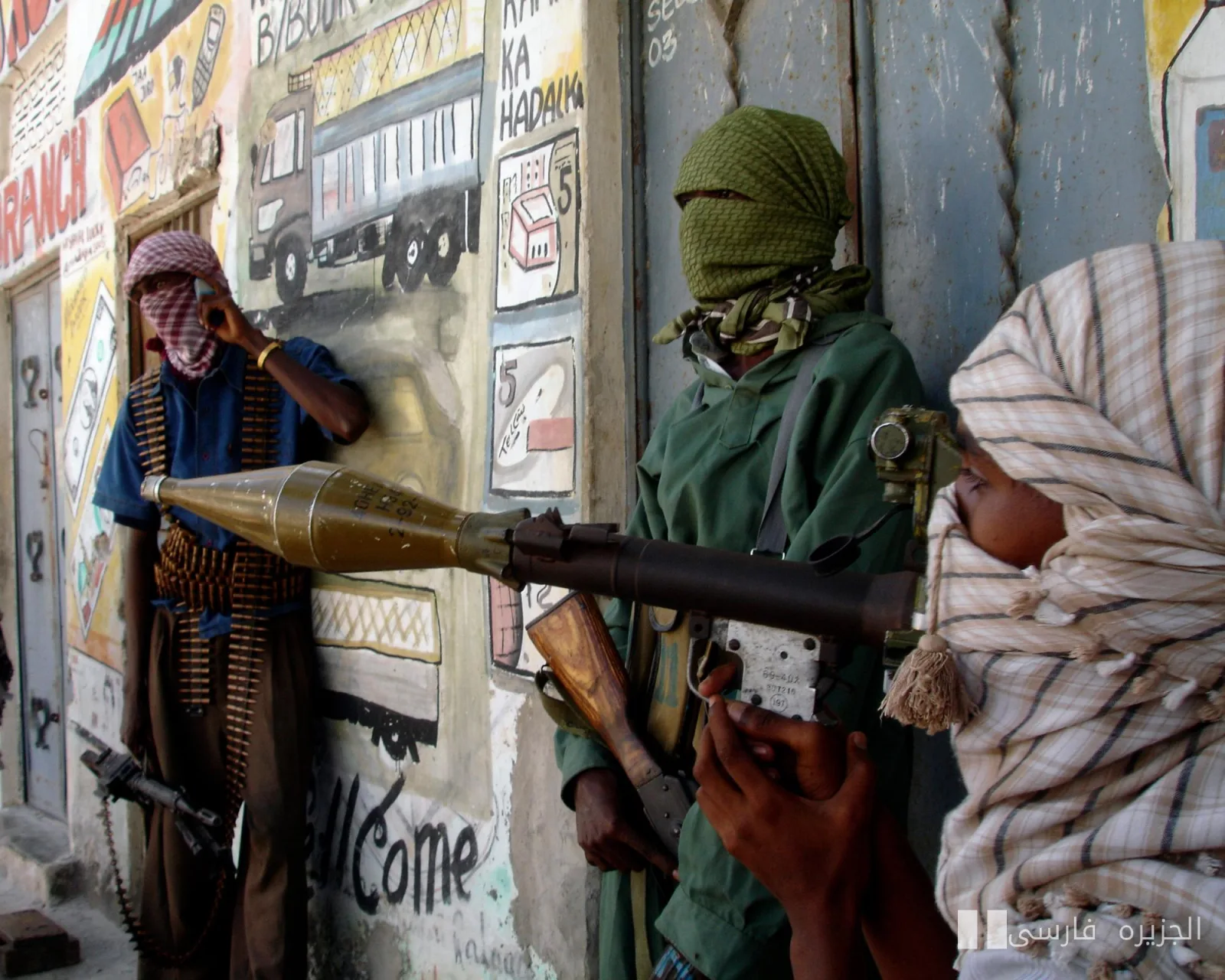
Extremist violence in the Sahel region of Africa is nearing its highest historical levels, especially following extensive attacks by groups affiliated with Al-Qaeda and ISIS. This situation has intensified on the eve of the twenty-fifth anniversary of the September 11 attacks and following new statistics collected by a monitoring agency.
Unprecedented Increase in Violence
New statistics indicate that violence related to jihadist groups in three countries—Mali, Burkina Faso, and Niger—which are recognized as the main centers of Islamic extremism in the Sahel region, has sharply increased. The number of violent incidents in these three countries has risen from 63 cases in 2016 to 2845 cases in 2025, and it is expected that this figure will exceed 3000 cases this year.
Read more: Israeli Dawn Attacks on the West Bank and Fires in Palestinian Farms
While global statistics on terrorism-related deaths have reached their lowest level since 2008, the number of victims in the Sahel region has significantly increased. Reports indicate that the United Nations has recorded over 9000 deaths due to security incidents in Burkina Faso, Mali, and Niger in 2025.
Security Situation Analysis
The Minister of Defense of Mali lost his life in a suicide attack at his residence in the city of Kati, located 9 miles northwest of the capital, Bamako. Additionally, the head of military intelligence in the country was also killed. These security incidents have intensified the crisis in Mali and raised serious concerns about the future of security in the region.
Meanwhile, the jihadist group Jama'a Nusrat ul-Islam wa al-Muslimin (JNIM) has continued to expand its areas of control in Mali and has killed several soldiers and Russian mercenaries in recent weeks. This group has also carried out attacks on Mali's international airport and has taken control of the strategic city of Kidal, which was once the main base of the Mali Liberation Front (FLA).
In Burkina Faso, JNIM has been responsible for over 130 attacks in 2026 and is increasingly encroaching closer to Ouagadougou, the capital of the country. In Niger, this group has claimed at least 17 attacks, although its activities have been significantly less than its rival, ISIS in the Greater Sahara.
Analysts believe that JNIM has distanced itself from Al-Qaeda's historical objectives of attacking the United States and its allies and is now focusing more on local areas. While in the past, Al-Qaeda posed a serious threat to many countries in the Middle East, its main focus is now on Africa, particularly the Sahel region.
Nevertheless, factors such as religious and ethnic tensions, fierce competition for resources, and chronic instability have made Africa a suitable place for attracting jihadist forces. However, the areas controlled by extremist groups in Mali and Somalia, due to geographical limitations, can hardly serve as a base for global attacks.
Read more: Asim Iftikhar: Houthis are a serious threat to regional security and stability · Mawlawi Yusuf Gorji was shot dead in southeastern Iran