Al Jazara
روایت خاورمیانه
Al Jazara
روایت خاورمیانه 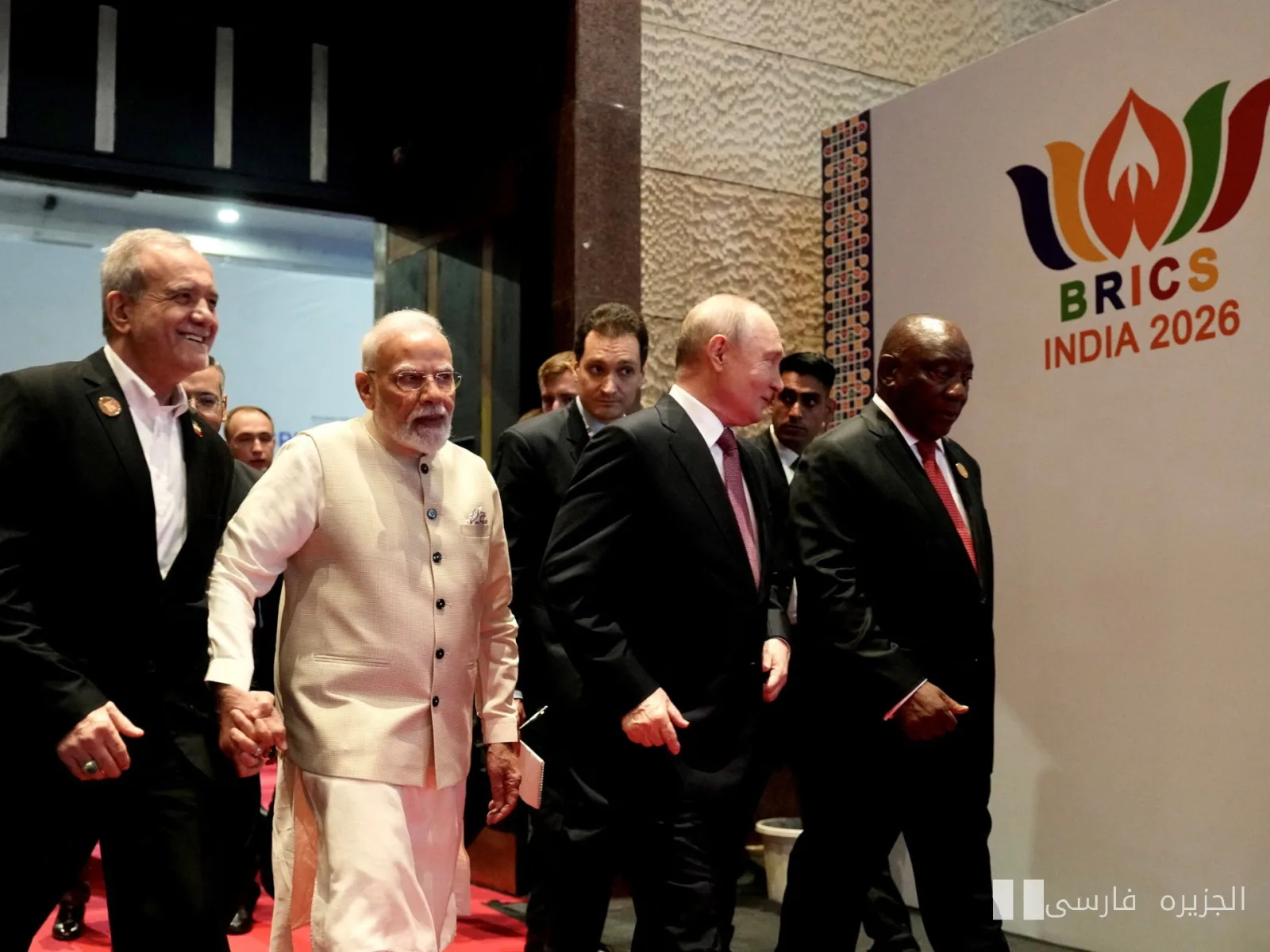
In the world of international politics, nothing is fixed and developments occur rapidly. One of these developments is the relationship between the United States and the BRICS member countries. While U.S. President Donald Trump seeks to weaken this coalition, new boundaries for countries to join this group are being formed.
Conflicts of Interest and the Growth of BRICS
Trump's aggressive policies on the international stage, especially against countries like China and Russia, may indirectly lead to the strengthening of BRICS. In other words, the more Trump tries to weaken this group, the more likely it is that the opposite effect will occur, attracting more countries to join BRICS. This coalition, which includes Brazil, Russia, India, China, and South Africa, is increasingly being recognized as an economic and political power.
Challenges and Opportunities
As Trump seeks to isolate these countries, new opportunities arise for BRICS. Developing countries and even some developed countries may look for alternatives to dependence on the United States. This could lead to increased cooperation and the formation of new alliances on a global scale.
On the other hand, given recent economic and political developments, it seems that BRICS is becoming an attractive platform for countries looking to strengthen their positions against Western powers. Global trends indicate that this coalition could act as a balancing force against U.S. dominance.
Ultimately, it remains to be seen whether Trump can weaken BRICS with his policies or whether these efforts will lead to an indirect strengthening of this coalition. In the meantime, there are many questions whose answers could influence the future of global politics.