Al Jazara
روایت خاورمیانه
Al Jazara
روایت خاورمیانه 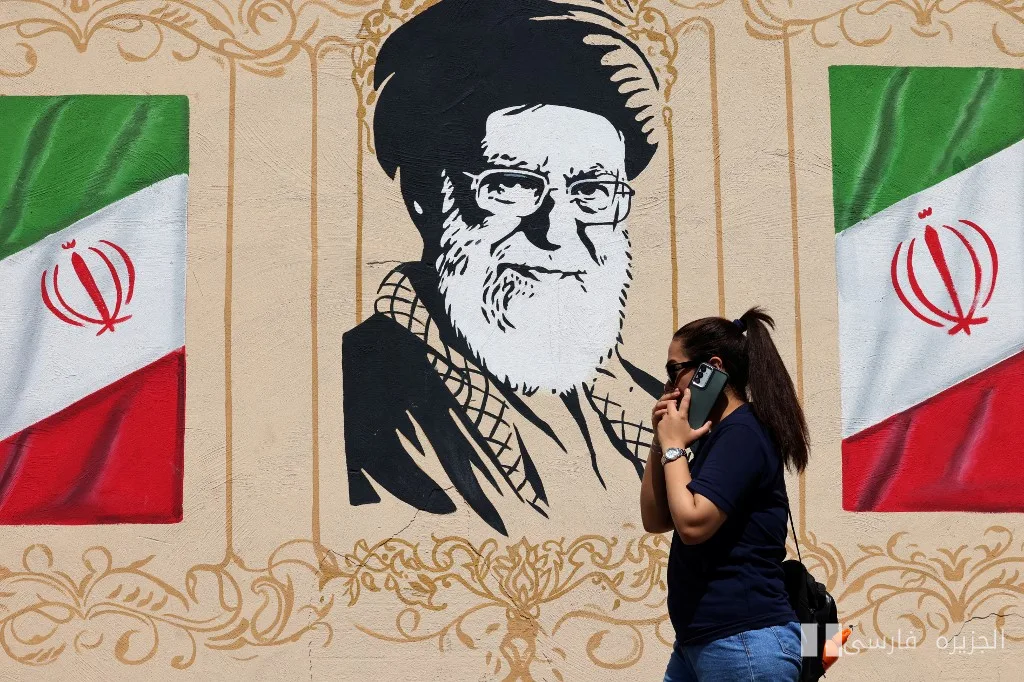
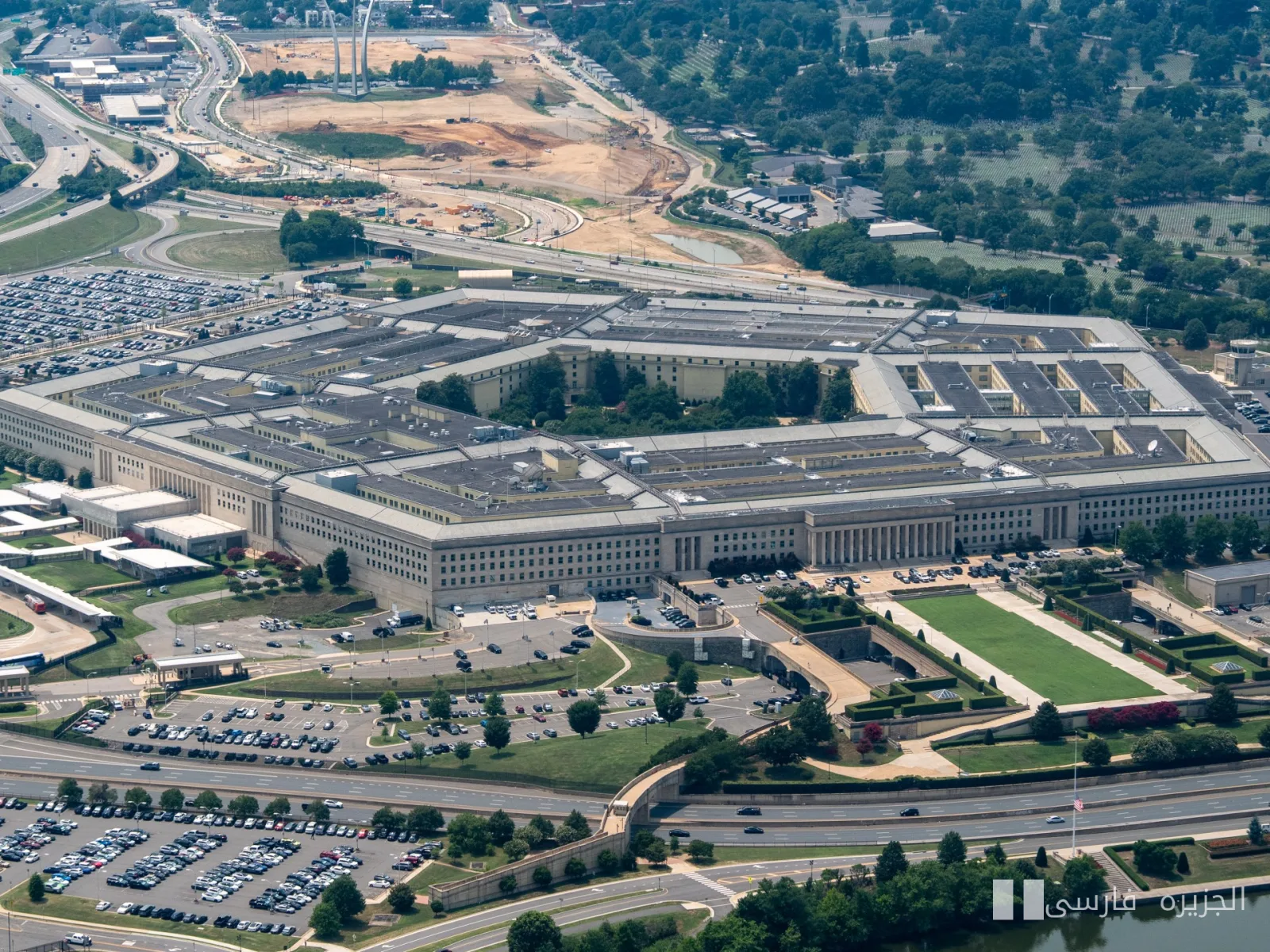
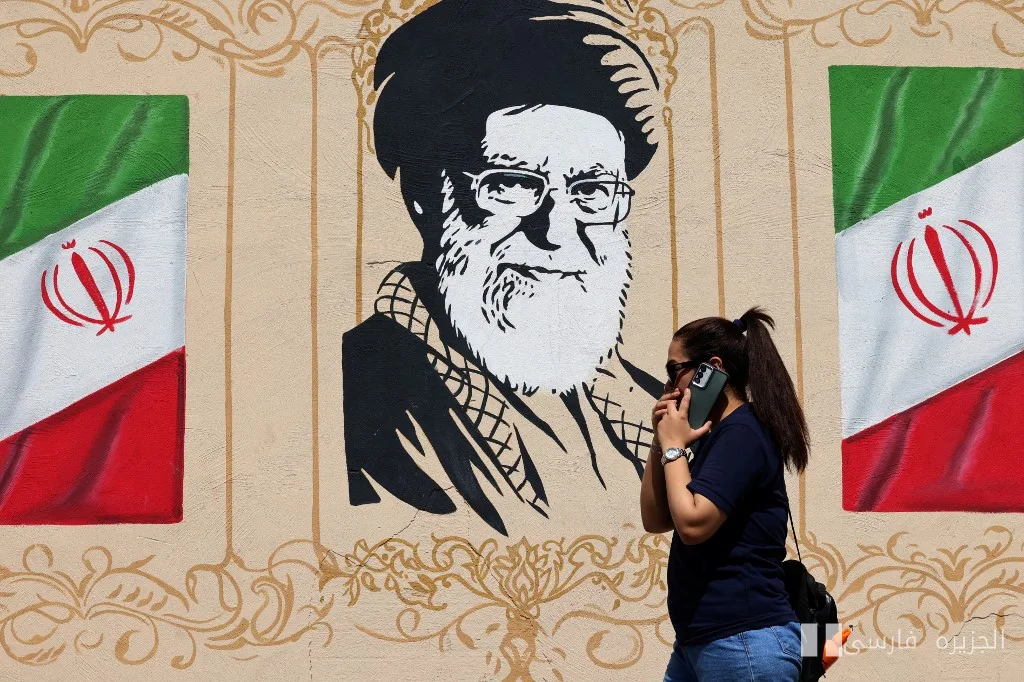
The U.S. Secretary of the Treasury, Scott Basten, announced at the end of August this year the initiation of an 'Economic Day D' against Iran. This new sanctions program aims to target all commercial entities that cooperate with the Islamic Republic of Iran. This action is part of the United States' efforts to increase pressure on Iran and limit its economic activities.
Details of the New Sanctions
According to Basten's announcement, these sanctions include further restrictions on banks, trading companies, and economic entities that are in any way connected to Iran. He also noted that the goal of these sanctions is to prevent Iran from accessing financial and commercial resources that could assist its nuclear and military programs.
Analysis of the Effects of Sanctions
However, economic analysts believe that these sanctions may not be as effective as the U.S. government expects. Mahirin Khan, the economic editor of the Times newspaper, discussed this issue in an analytical program and pointed out that the new sanctions may be less effective than before due to changes in global markets and Iran's trade relations with other countries. He also noted that ongoing tensions in the region could have serious consequences for the global economy and impact the financial power of the United States.
It seems that Iran is responding to these sanctions by finding ways to circumvent them and expanding economic relations with other countries. This situation could pose a serious challenge to U.S. economic policies and raise the need for a reassessment of current strategies.