Al Jazara
روایت خاورمیانه
Al Jazara
روایت خاورمیانه 
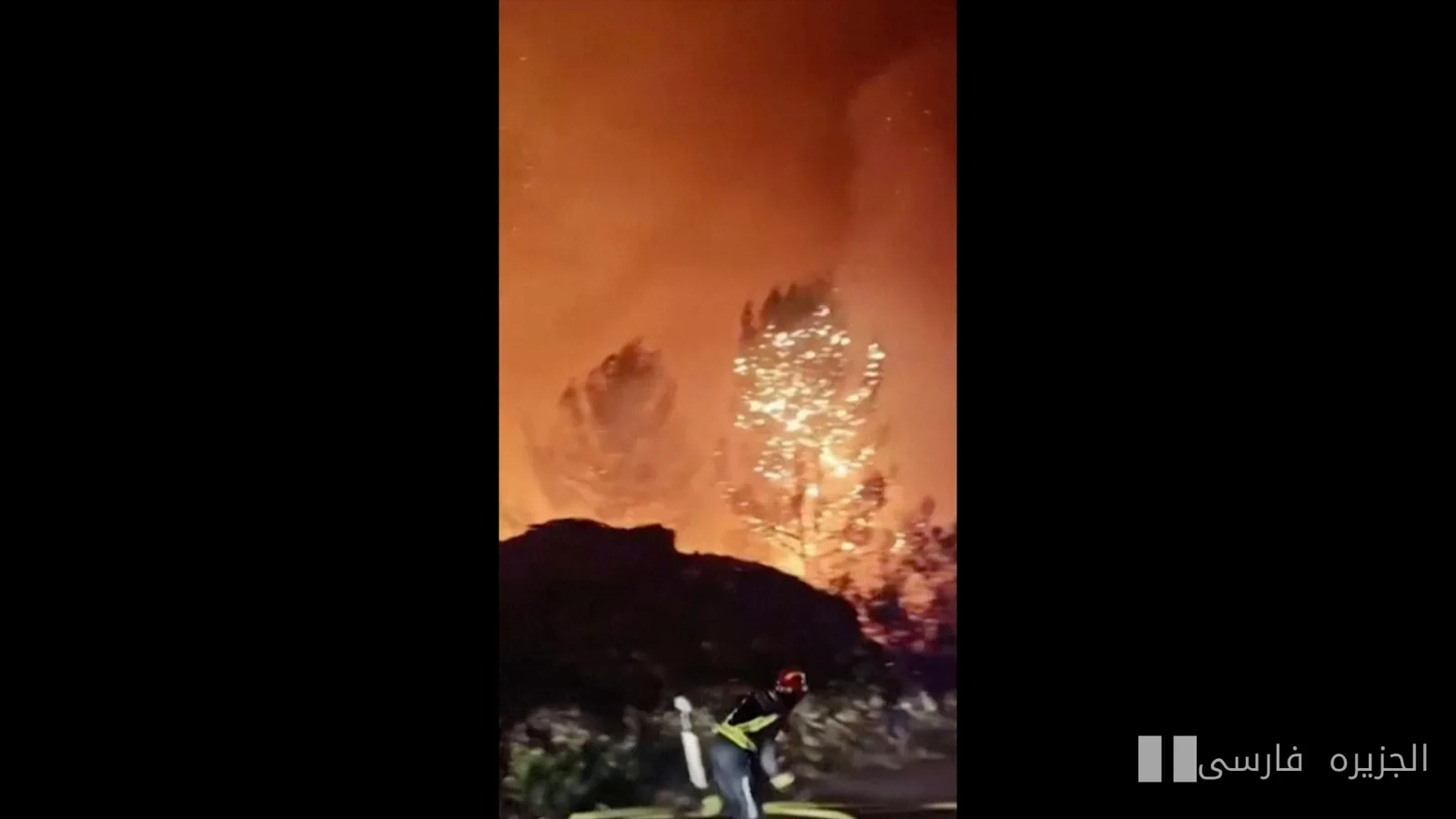
Widespread fires in the forests of Borneo are not only a source of carbon dioxide and greenhouse gas emissions but have also turned into an environmental and health crisis across Southeast Asia. These fires, known as "carbon bombs," contribute to climate change and air pollution by releasing ancient carbon reserves from peat layers.
Unknown Heroes in the Fire
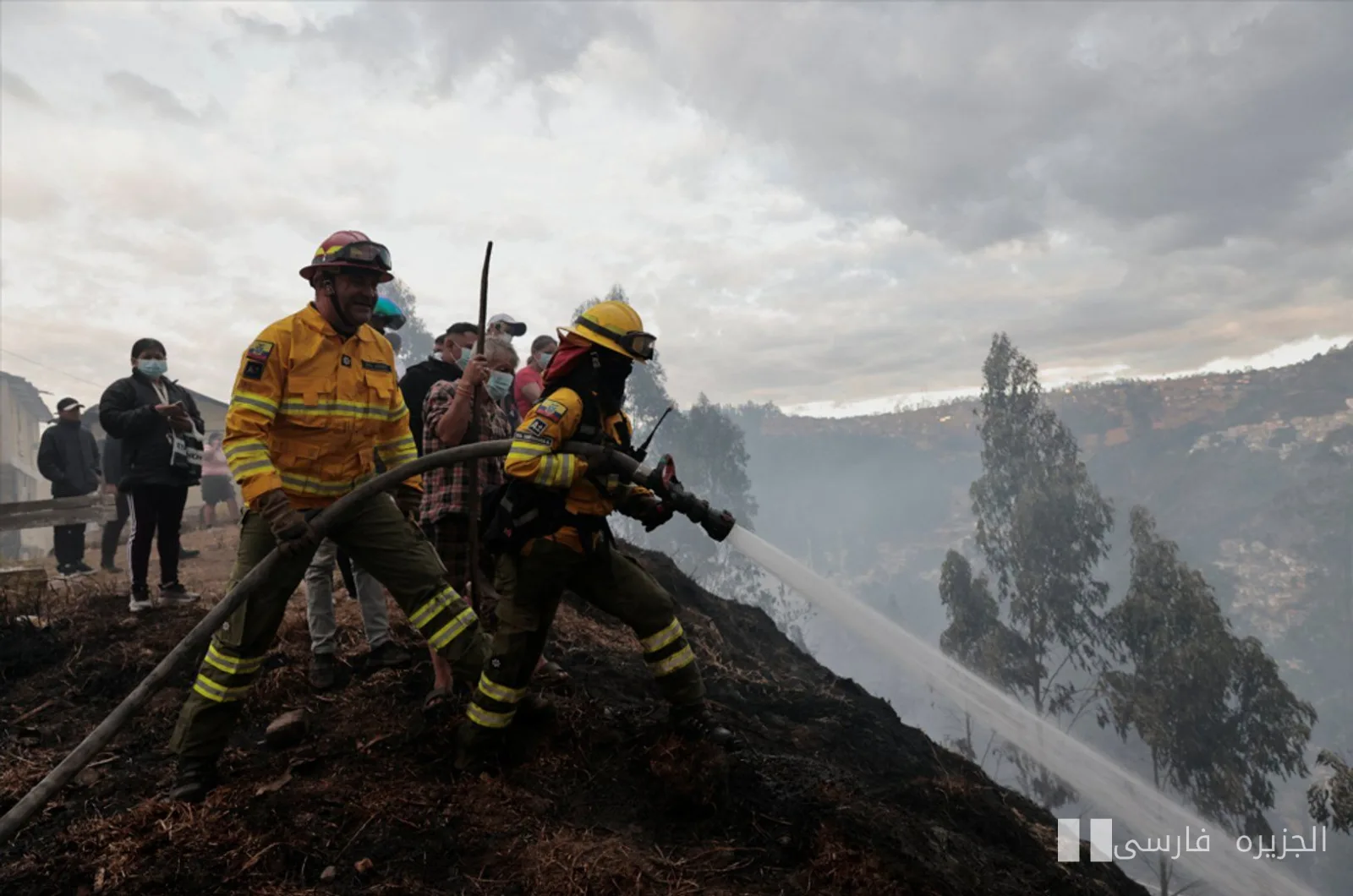
In the midst of this, a group of volunteers, with selflessness and courage, has taken on this crisis. These individuals, equipped with inadequate resources and facing harsh conditions, venture into the flames to prevent the spread of the fire. While many flee from these fires, these volunteers stand at the forefront out of love for nature and a commitment to environmental protection.
Peat fires easily ignite due to water shortages and unfavorable weather conditions, making them very difficult to control. For this reason, volunteers must employ specific strategies for firefighting and preventing the release of toxic smoke.
Toxic Smoke and Its Health Effects
This toxic smoke not only harms air quality but also causes respiratory problems and other chronic diseases among local residents. In neighboring countries, this situation has turned into a public health crisis. Many people have been forced to leave their homes to escape the smoke, putting additional pressure on health systems in the region.
While governments seek sustainable solutions to manage this crisis, volunteer heroes continue to strive to save forests and lives. These individuals remind us that protecting the environment requires bold and selfless actions.