Al Jazara
روایت خاورمیانه
Al Jazara
روایت خاورمیانه 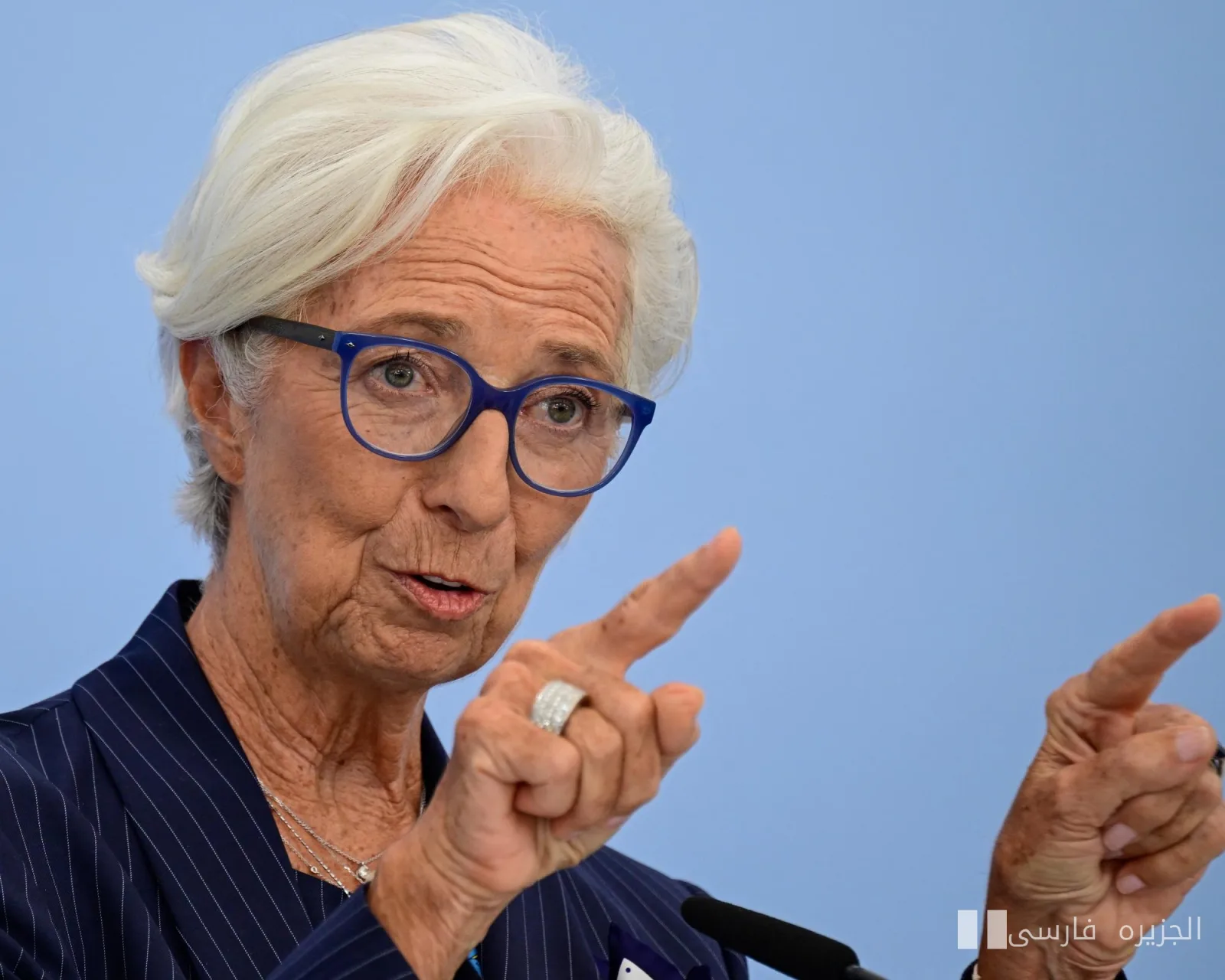
Following the escalation of conflicts in the Middle East, the European Central Bank (ECB) has raised interest rates to 2.5 percent and warned of the risk of rising inflation in the Eurozone. This decision comes as oil and gas prices have surged above $105 per barrel, raising concerns about further price pressures in the European economy.
Consequences of War and Rising Living Costs
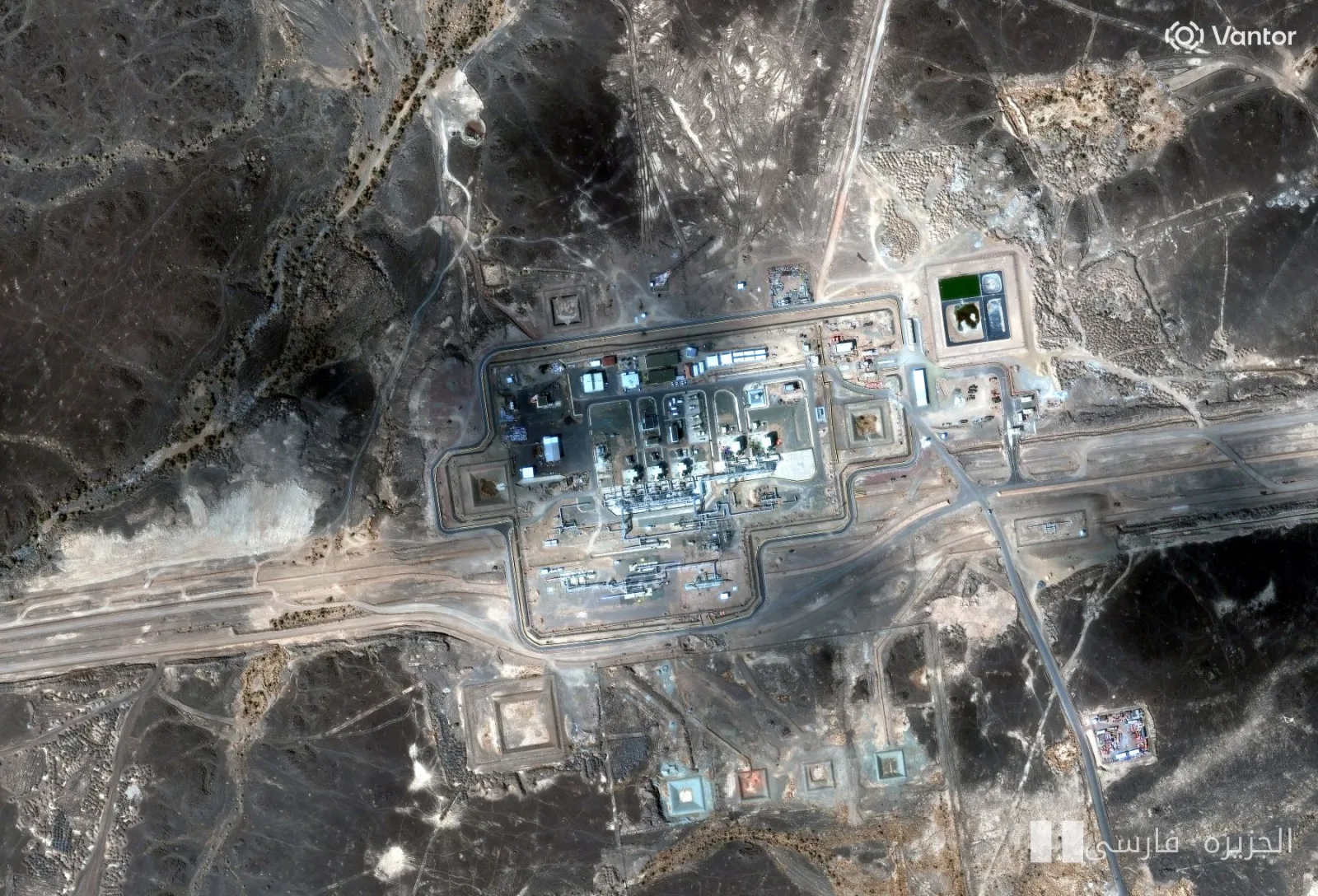
Recent developments in the Middle East, particularly the reciprocal attacks between Iran and the United States in the Strait of Hormuz, have led to severe fluctuations in financial markets. This situation has a direct impact on living costs in Europe, and it seems that consumers and businesses must prepare for rising prices. With the increase in interest rates, borrowing costs for businesses and households will also rise, which could negatively affect economic growth.
Future Outlook
The European Central Bank has stated that it is closely monitoring global developments and will take measures to control inflation if necessary. However, some analysts believe that the current situation could lead to an economic recession, especially as energy costs continue to rise.
Meanwhile, resource allocation and optimal asset management are of great importance for citizens and businesses. As prices are sharply increasing, the question arises whether the current policies of the central bank will be able to control this crisis or not?