Al Jazara
روایت خاورمیانه
Al Jazara
روایت خاورمیانه 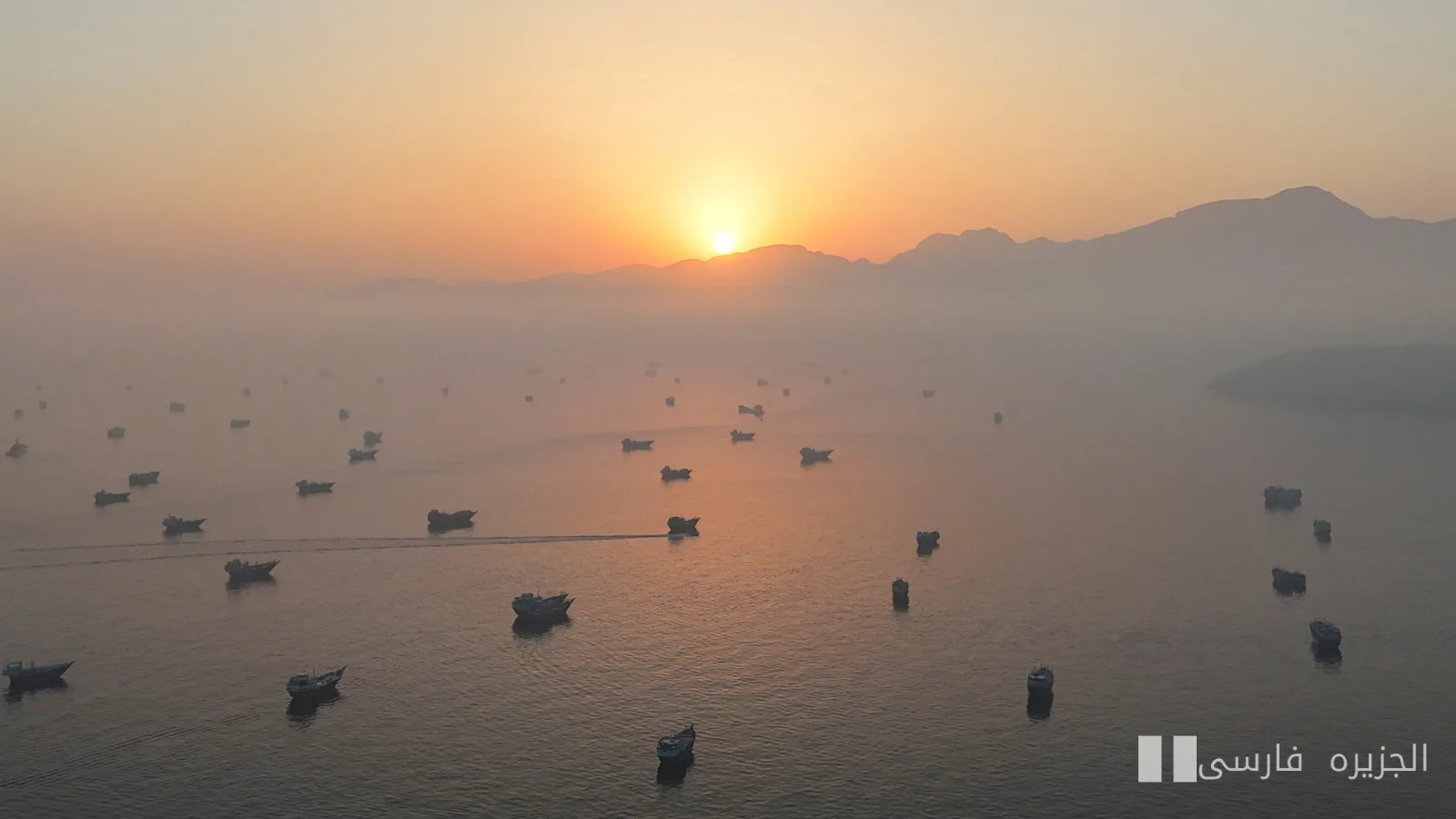
Iranian officials have recently identified 77 ships as violators of the Strait of Hormuz regulations and placed them on a blacklist. This action has been taken by the Persian Gulf Organization of Iran and clearly demonstrates Tehran's determination to maintain its sovereignty over these strategic waters.
Details of Iran's Action
The Persian Gulf Organization of Iran announced that these ships have been placed on the list due to "violating Iranian protocols for passing through the Strait of Hormuz." According to this official, the mentioned ships may face fines, seizure, or even confiscation if they attempt to pass through this strait. This action reflects Iran's intensified monitoring and control over ship movements in this vital waterway.
Read more: Masoud Pezeshkian's Invitation to Cyril Ramaphosa for a Trip to Tehran
International and Regional Consequences
Iran has also warned that commercial ships cooperating with the United States and its allies will be added to this list. This announcement clearly indicates that Iran is seeking to employ new leverage and send clear messages to foreign parties. Tehran has stood firm against repeated claims by Donald Trump, the President of the United States, that U.S. military forces have complete control over the Strait of Hormuz, emphasizing that it will not open the strait until its demands regarding attacks, compensations, and sanctions are met.
Analysts believe that this action by Iran could lead to increased tensions in the region, especially as tensions between Iran and the United States are escalating. This action may also impact maritime trade and energy security globally, as the Strait of Hormuz is recognized as one of the most important oil transit routes in the world.
Looking to the Future
With this action, Iran has demonstrated that it will not retreat from its positions regarding the Strait of Hormuz and is seriously seeking to protect its national interests. At the same time, this issue could pave the way for new developments in international and regional relations. Experts believe that other countries may also react to this action and new diplomatic efforts may emerge in this regard.
Read more: Amit Shah Expands Uniform Civil Code in India · Iran and Gulf Countries Meeting: Why is Bahrain Absent?