Al Jazara
روایت خاورمیانه
Al Jazara
روایت خاورمیانه 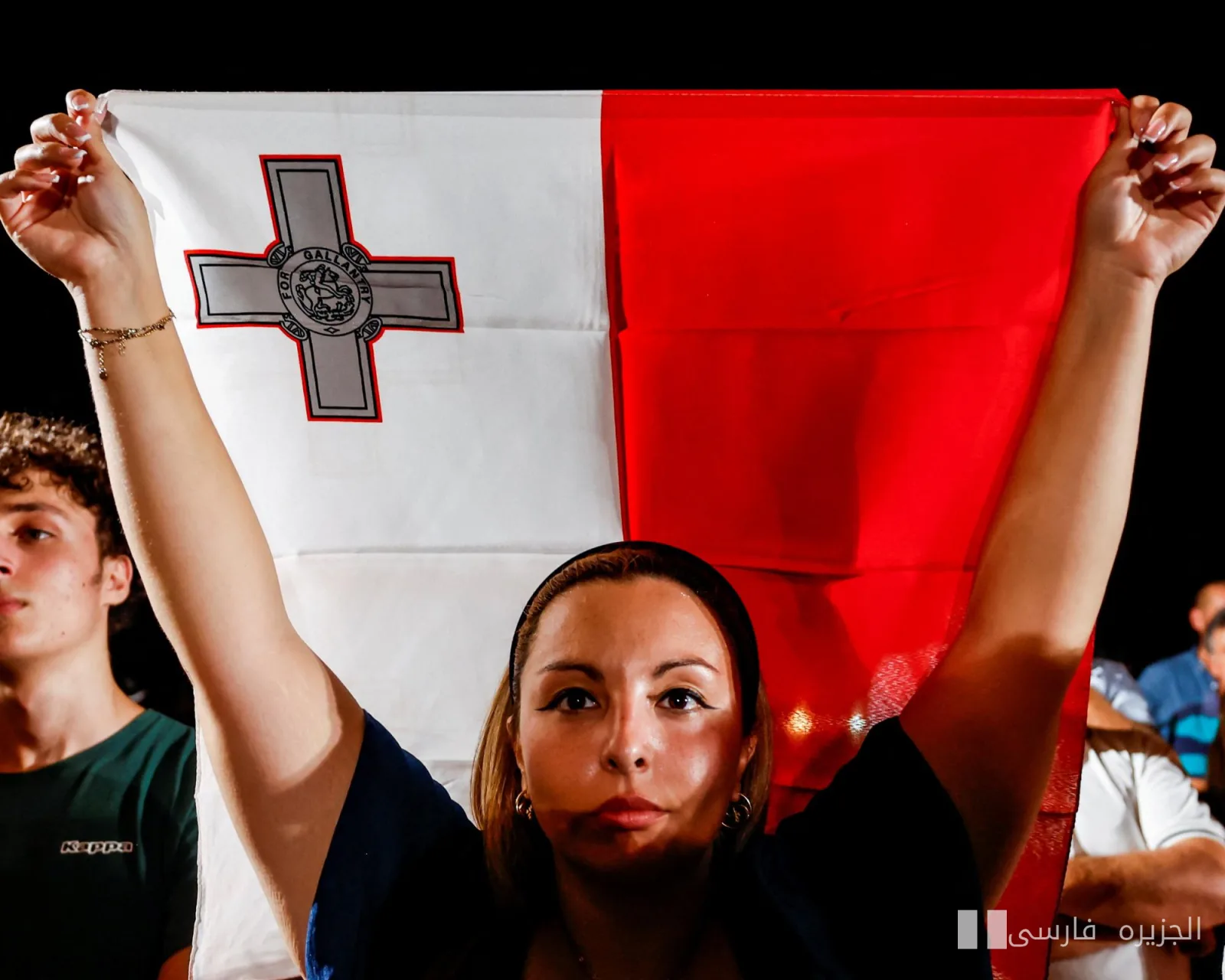
Malta, as one of the small and beautiful countries in the Mediterranean, is currently on the verge of a serious corruption crisis. The words of Shami Chakrabarti, a member of the House of Lords in Britain and a special observer of the Council of Europe, reveal this bitter reality at the start of an investigation into judicial failures following the assassination of Daphne Caruana Galizia. She stated that Malta is at risk of repeating high-profile corruption cases without strengthening the rule of law and necessary protections for journalists.
Serious Risks for Journalists
Daphne Caruana Galizia, an anti-corruption journalist who was horrifically killed in a bombing in October 2017, is a testament to the fact that journalists in Malta continue to face serious dangers. Chakrabarti emphasized that the lack of enforcement of protective laws not only leads to harm to journalists but can also undermine public trust in government and judicial institutions.
While Malta is recognized as a democratic country, there are ambiguities regarding the government's commitments to supporting press freedom and journalist safety. Chakrabarti pointed out these issues and urged officials to take necessary actions to ensure the safety of journalists and prevent a recurrence of similar disasters.
The Future of Malta is at Risk
The investigation into the murder of Caruana Galizia has become a hot topic in international circles. Many observers believe that more thorough investigations and serious approaches to this crisis could help improve the situation of human rights and press freedom in Malta. But is the government of this country ready to respond to these challenges? Or will this corruption crisis become a permanent dilemma?
Ultimately, Malta must answer these questions as a country that adheres to democratic values and prevent further disasters. This situation could affect not only the future of journalists and media but also the future of democracy in Malta.