Al Jazara
روایت خاورمیانه
Al Jazara
روایت خاورمیانه 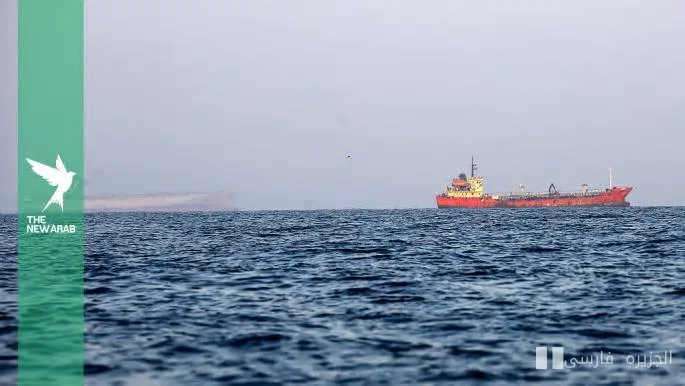
Oman officially announced yesterday that the talks regarding the Strait of Hormuz with Iran and the Gulf countries have been postponed. This decision comes in light of rising tensions in the region and Iran's need for greater control over maritime traffic.
New Conditions in the Strait of Hormuz
The Strait of Hormuz, one of the most important waterways in the world, was previously used freely by ships during peacetime. However, with the onset of new tensions, Iran has informed ships that they must obtain permits to pass through this strait. This shift in Iran's policies reflects the country's security and economic concerns as it seeks to increase control over its maritime resources.
Read more: Hakan Fidan Accuses Israel of Trying to Destabilize Syria
Consequences of Delaying Talks
The postponement of talks between Oman and Iran, as well as other Gulf countries, could have serious implications for global trade and maritime security. Many experts believe that this situation may lead to rising oil prices and disruptions in supply chains. Additionally, this delay could escalate tensions in the region and create new problems for neighboring countries.
Iran is also reviewing a mechanism for charging service fees related to the passage of ships through the Strait of Hormuz. This move could help increase the country's revenues, but it may also face negative reactions from other countries.
Given these developments, experts believe that the need for dialogue and regional cooperation is more pressing than ever. In this context, Oman can play a key role as a mediator in facilitating these discussions.
Read more: Settlers Attack French Television Crew Again in the West Bank · Tehran and Muscat Postponed Talks Due to Need for Regional Consensus