Al Jazara
روایت خاورمیانه
Al Jazara
روایت خاورمیانه 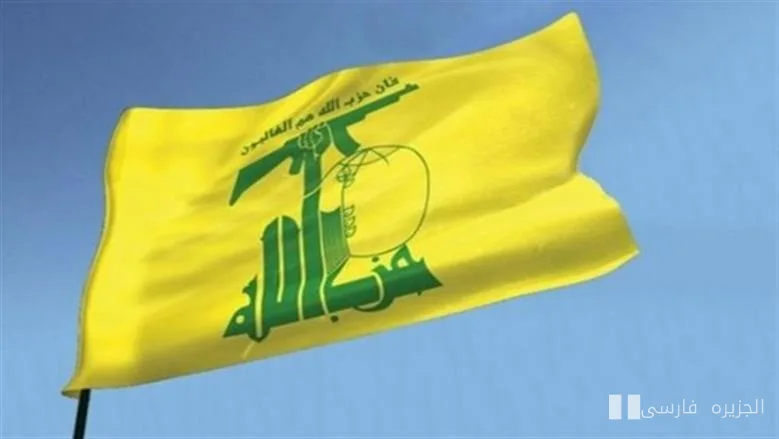
Omid Elias Farhat, a military and strategic expert, emphasized the continued military escalation by Israel in a statement regarding recent developments in southern Lebanon. He described these movements as an attempt by Israel to exert pressure on the Lebanese government to disarm Hezbollah.
Continued Israeli attacks without pause
Farhat stated in an interview conducted at 19:30 local time that Israeli attacks on various regions of Lebanon are ongoing and there are no signs of cessation or a ceasefire in this regard. He added: "Despite repeated talks about negotiations and American mediations, these have so far remained only superficial and formal."
Read more: Sharifzadeh criticized the Iran-Oman meeting
Pressure on the Lebanese government to disarm Hezbollah
Farhat further explained that Israel's main goal of these actions is to force the Lebanese government to disarm Hezbollah throughout the country. He emphasized that Israel, in this situation, is unwilling to speak with anyone except through the language of force and military might. He also referenced the history of these attacks, stating that Israel has continued its assaults since the ceasefire was declared on June 20, while Hezbollah and other Lebanese groups have adhered to this ceasefire.
This military expert predicted that if these tensions continue, it could have negative consequences for both sides. He warned that an escalation of hostilities could lead to nearly one million Lebanese fleeing from southern areas to the north. This would not only affect the humanitarian situation in Lebanon but could also jeopardize Israel's security.
Consequences of escalating tensions
Farhat also pointed to the internal consequences of these tensions in Israel, stating that these conflicts could lead to rockets falling on areas in northern Israel and even deep within the country. This situation could fuel serious political crises within Israel and potentially lead to the downfall of the current government and instability in the country's security system.
Given these developments, it seems that both sides are trying to keep these conflicts within a limited geographical scope. Farhat noted that the expansion of these tensions would impose very heavy costs on Lebanon and could lead to further weakening of security and stability in the country.
Read more: The end of Kurdish autonomy with the dissolution of the Syrian Democratic Forces · Iran monitors Israeli military movements in southern Lebanon