Al Jazara
روایت خاورمیانه
Al Jazara
روایت خاورمیانه 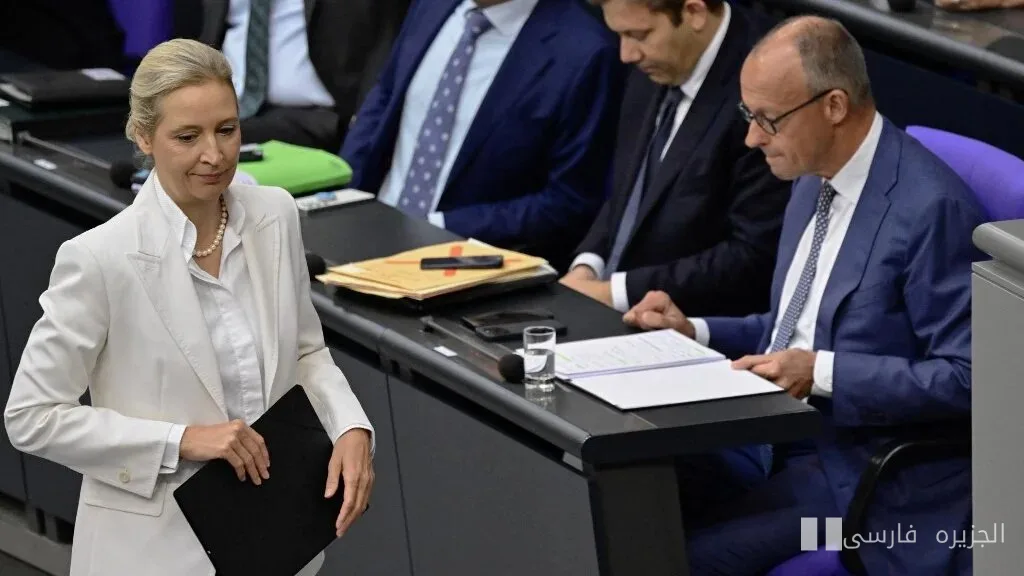
Political pressure on Muslims in Germany is clearly on the rise. While only 5.5 million Muslims live in this country, they are facing stringent approaches from both far-right extremists and moderate parties.
Increase in Political Tensions
After the recent elections, the far-right party "Germany for the Future" (AfD) managed to secure 43.8 percent of the votes in the state of Saxony-Anhalt, while the Christian Democratic Union led by Friedrich Merz only garnered 17.2 percent of the votes. This result sends a clear message to moderate parties that their efforts to limit the influence of far-right extremists have failed.
Read more: Leaders of the Amal Movement and Hezbollah Emphasize the Need for National Participation in Lebanon
From September 2024, Nancy Faeser, the then Minister of the Interior from the Social Democratic Party, intensified border controls and tightened asylum laws following incidents such as horrific murders and electoral victories of the far-right. These measures have increased feelings of insecurity and distrust among Muslim communities.
Social and Cultural Impacts
Families who sought refuge in Germany a decade ago from cities like Aleppo and Damascus are now witnessing political competition among parties to return them to their unstable homelands. Even third-generation German citizens with Turkish and Arab roots have felt reluctance and homelessness in political discussions.
Tensions are not limited to political discussions. Since last June, civil networks in Berlin have reported that the number of anti-Muslim incidents in Germany has reached 4,096, indicating a 33 percent increase over the past year. These incidents include 214 physical attacks and five arson cases at mosques.
According to Abdullah Al-Yazidi, the head of the Central Council of Muslims in Germany, these discriminatory approaches and the disregard for the civil rights of Muslims have pushed them toward a sense of second-class citizenship. He expressed concern that such policies could lead to social and political instability.
Ultimately, moderate parties are fostering feelings of alienation and distrust among citizens instead of creating a close-knit and unified community. In this context, Muslims in Germany face serious challenges in preserving their identity and rights.
Read more: Omid Elias Farhat: Israel Continues to Intensify Pressure on the Lebanese Government · Trump: I Would Like to See a United Ireland