Al Jazara
روایت خاورمیانه
Al Jazara
روایت خاورمیانه 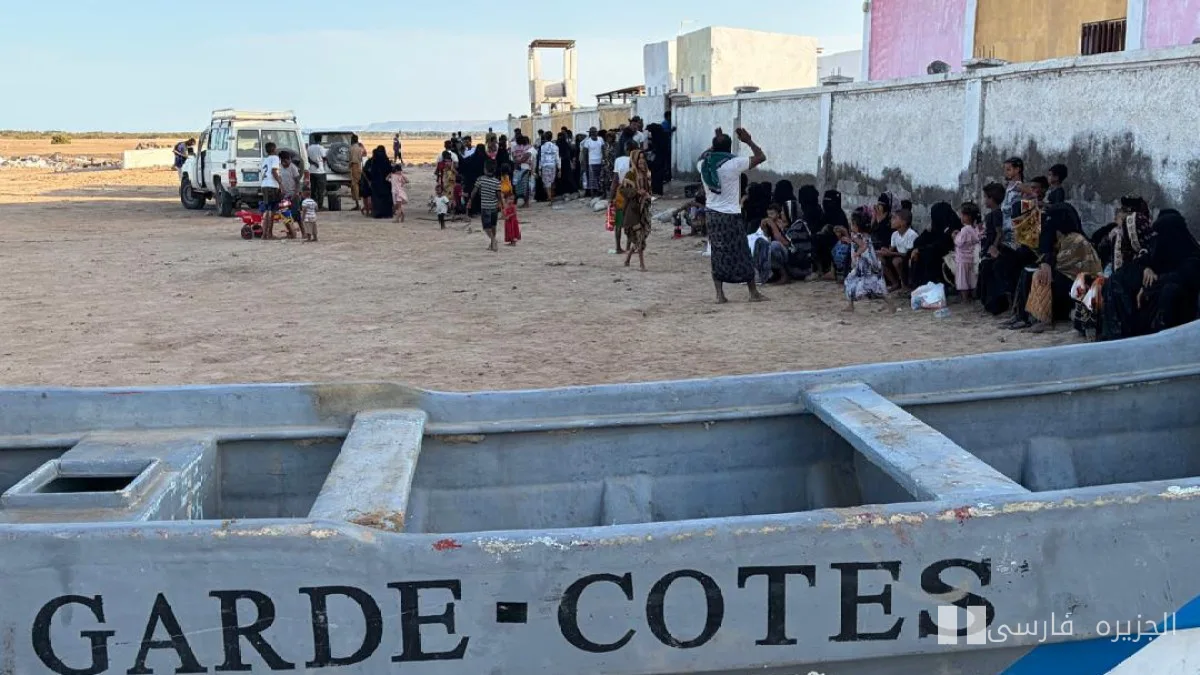
More than 3,400 Yemeni refugees have arrived on the northern shores of Djibouti following renewed clashes in Yemen. This figure was announced by Djiboutian officials and has been recorded in just the past 48 hours. This sudden increase in refugees is due to a large-scale attack by the Houthis on the strategic port of Mocha and their advance towards the Bab-el-Mandeb Strait.
Critical Situation in Djibouti
Djibouti, with a population of less than 1.2 million and limited resources, is now facing the influx of thousands of refugees in recent days. Officials have warned that this increase will put more pressure on public services and existing infrastructure. Images released by local media show wooden boats and large ships arriving in the city of Obock, filled with women and children.
Read more: The number of casualties in Gaza has reached 73,789
Humanitarian Challenges
Refugees arriving on the shores of Djibouti carry bags of clothes, water containers, and food supplies. In footage filmed at night, soldiers can be seen unloading boats under floodlights. Alexander Kuesak, head of the International Organization for Migration in Djibouti, stated that some families are getting stranded due to fuel shortages on the Yemeni side. Additionally, UNICEF has reported that children on this route are facing harsh conditions, including extreme heat and a lack of safe drinking water.
The war in Yemen has led to the displacement of residents from various areas, with more than 85,000 people having fled their homes in just the first two weeks of September. Following the Houthis' takeover of the strategic island of Mayyun, the Djiboutian Ministry of Foreign Affairs has viewed developments there with increased concern and has supported efforts to reduce tensions.
Djibouti's Minister of Finance, Elias Dawaleh, reported in a series of posts that by September 11, about 500 people had arrived, the next day 1,400 people, and by nightfall more than 2,000 people had reached the shores of Djibouti. He also expressed concern that this situation is becoming increasingly difficult for their country.
Meanwhile, coastal services, the navy, and the Djiboutian army have been activated to rescue individuals stranded at sea and welcome them to the shores, providing basic food and medical assistance in places like Obock and smaller areas of the Khor Angar.
Djibouti's Prime Minister, Abdulkader Kamil Mohamed, visited Obock on Sunday to meet with officials from international organizations, including the UN High Commissioner for Refugees and the World Food Programme. Djibouti is prepared to accommodate up to 10,000 people if this trend continues.
The pressure on Djibouti will also have implications beyond what is seen in the humanitarian response. The Bab-el-Mandeb Strait is one of the most important maritime transport corridors in the world, through which about one-eighth of global maritime trade passes. Djibouti is also known as a hub for foreign forces, and its importance in maintaining maritime security in this tense waterway is well recognized.
Read more: Heavy losses for the U.S. in Iranian attacks include the loss of 30 drones · UNICEF: More than 137,000 Yemeni children have been deprived of education