Al Jazara
روایت خاورمیانه
Al Jazara
روایت خاورمیانه 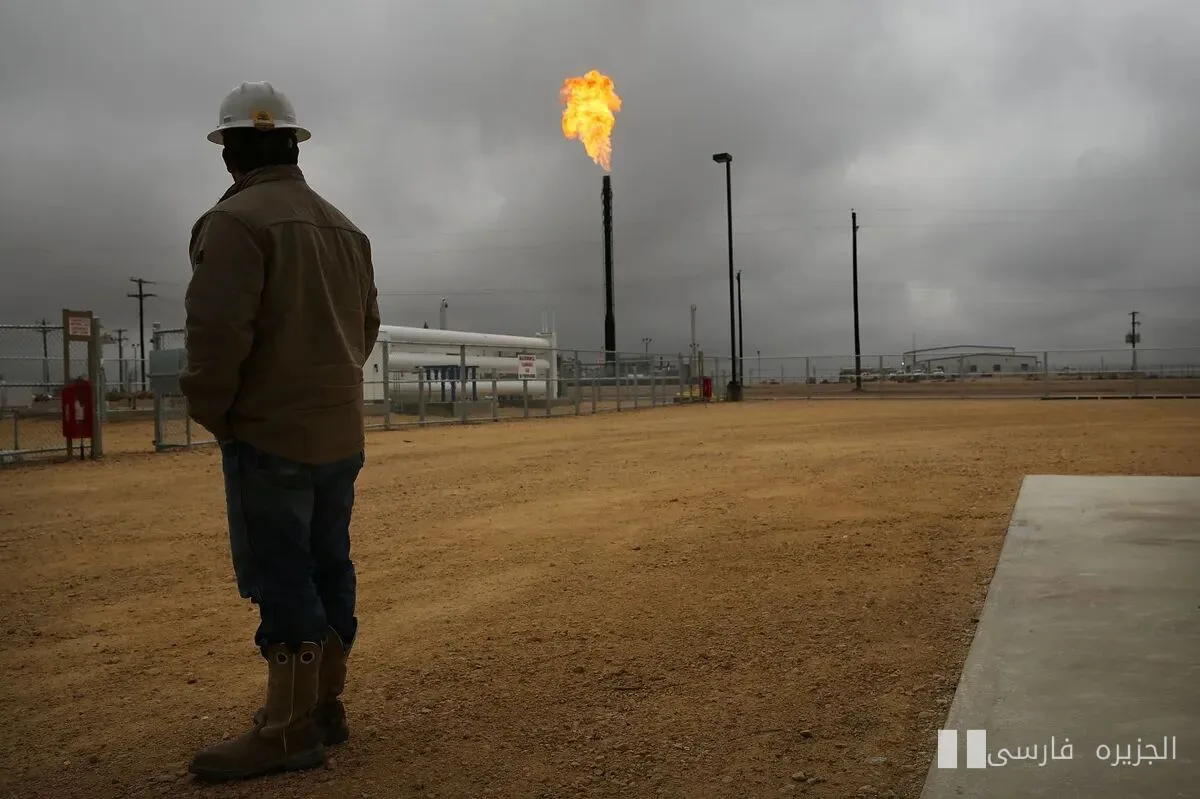
Arab Sadeq, an energy expert, has conducted an in-depth analysis of the impact of the Yemen war and political deadlock on Iran's oil market. According to him, the current situation in the oil market is not only dependent on the end of the war but is also related to the political deadlock in negotiations.
Impact of the Yemen War on Oil Production
The Yemen war, which began in 2014, has had many economic and social repercussions. One of these repercussions is the direct impact on Iran's oil production. Arab Sadeq emphasizes that two ceasefires in this war have been broken, and this issue indicates that the existing problems in the oil market are not easily solvable.
Read more: Houthi Pressure on the Oil Market: Bab-el-Mandeb is Open to Everyone Except Saudi Arabia
Sadeq explains that although the oil market is affected by the Yemen war, the end of this war alone is not enough to return Iran's oil production to normal. He believes that as long as political issues remain unresolved, the state of Iran's oil production will not change.
Political and Economic Challenges
Arab Sadeq points to the political and economic challenges currently facing Iran. The deadlock in nuclear negotiations and international sanctions are among the issues affecting oil production. According to him, these issues harm Iran's oil market and prevent achieving full oil production capacity.
Furthermore, Sadeq emphasizes that improvement in the oil market requires fundamental changes in Iran's domestic and foreign policies. He notes that merely resolving military issues in Yemen is not sufficient, and political challenges must also be addressed.
Ultimately, Arab Sadeq concludes that the current state of Iran's oil market requires special attention, and only by striving to resolve political issues can there be hope for improving oil production.
Read more: Saudi Oil Pipeline Shutdown; A Threat to the Global Oil Market · Trump: War with Iran Will End After the U.S. Midterm Elections