Al Jazara
روایت خاورمیانه
Al Jazara
روایت خاورمیانه 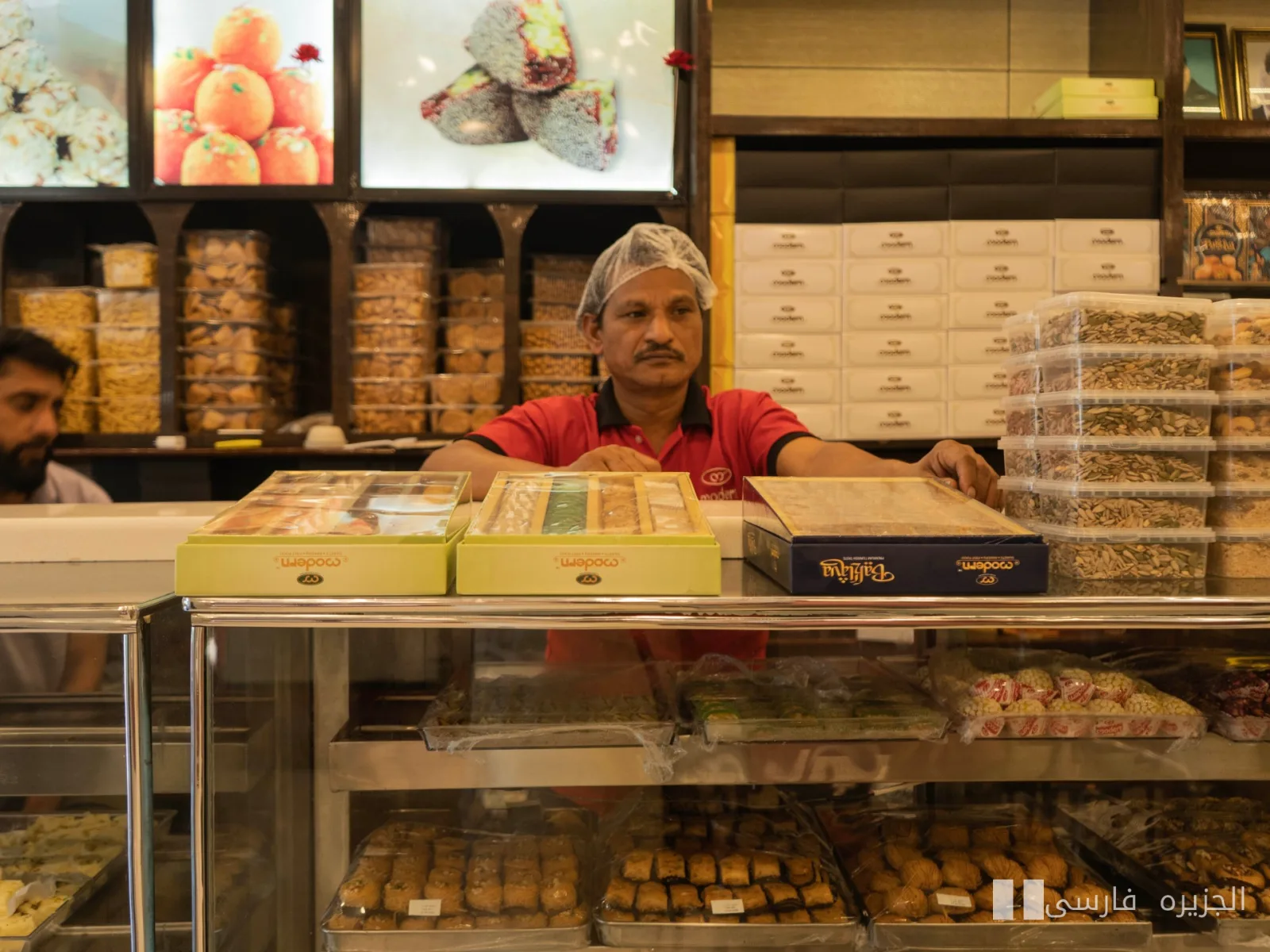
Jai Krishan, a 43-year-old worker from Bihar in northern India, has saved 15,000 rupees ($160) to travel home from Indian-administered Kashmir to celebrate Diwali with his family in November.
Krishan buys boxes of sweets — ladoo, barfi, and kaju katli — for his family and friends each year, spending about $35 on sweets for Diwali. He currently lives in the Hawal area of Srinagar, the largest city in Indian-administered Kashmir, and makes afternoon tea for himself and his roommates.
Read more: Pinglu Channel in China, a New Gateway to Southeast Asia
Concerns Over Rising Sugar Prices
He expresses concern, saying: "For someone from a low-middle-income family, this amount of money is significant. But Diwali is one of the most important festivals for Hindus, and it cannot be overlooked." However, this year Krishan is worried that he may have to cut back on other purchases like toys and clothing to manage his limited budget. Sugar prices have surged in recent months, with retail prices reaching 75 rupees ($0.79) per kilogram, up from 40 rupees in September 2025.
Impact on the Confectionery Industry
This price increase comes as India enters the festive season. Celebrations begin in late August with festivals like Ganesh Chaturthi and Onam, continuing in October and November with Navratri, Durga Puja, Dussehra, and Diwali. The Indian confectionery sector is valued at over $1.1 billion, with peak festive sales accounting for over 40% of annual revenue. Traditional sweets can contain between 30% to 60% sugar, making sugar a key ingredient in these products.
India is the largest consumer and the second-largest producer of sugar in the world, consuming between 29 to 32 million tons of sugar annually. However, sugar production for the current season is projected to be around 30.6 million tons, which is 11% lower than previous forecasts. The Indian government attributes the production decline to reduced sugarcane cultivation and lower rainfall.
However, Makhan Chandra, a sugarcane farmer from Punjab, believes that several other factors are also contributing to the decrease in production and rising prices. He points to some farmers switching to other crops, high labor costs, and the diversion of sugarcane to ethanol production.
Read more: Gold Prices Drop to Lowest in 50 Days in Global Market · Marjorie Taylor Greene: War Against Iran Must Stop