Al Jazara
روایت خاورمیانه
Al Jazara
روایت خاورمیانه 
The reaction of Gulf countries to the Iran war is increasingly taking shape, with each country responding to this crisis based on its national and security interests. In this context, the United Arab Emirates, as one of the main actors, may be on a path to separating from other Gulf Cooperation Council (GCC) countries.
Positions of Gulf Countries
According to reports, Gulf countries are considering various strategies to deal with the Iran war. Some of these countries wish to isolate Iran, while others seek to distance themselves from the United States and establish more independent relations with Tehran. These two approaches could lead to new tensions in the region.
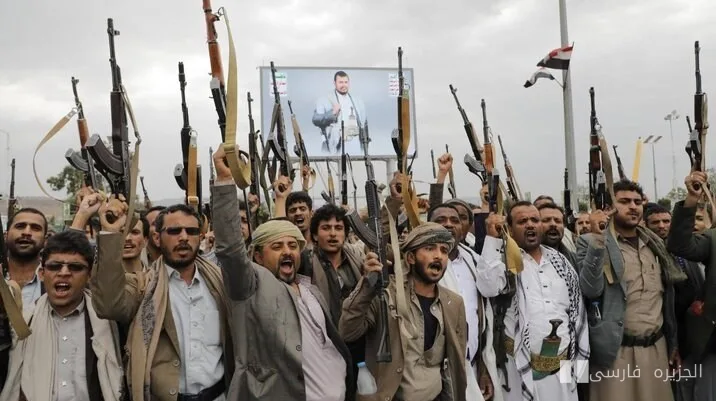
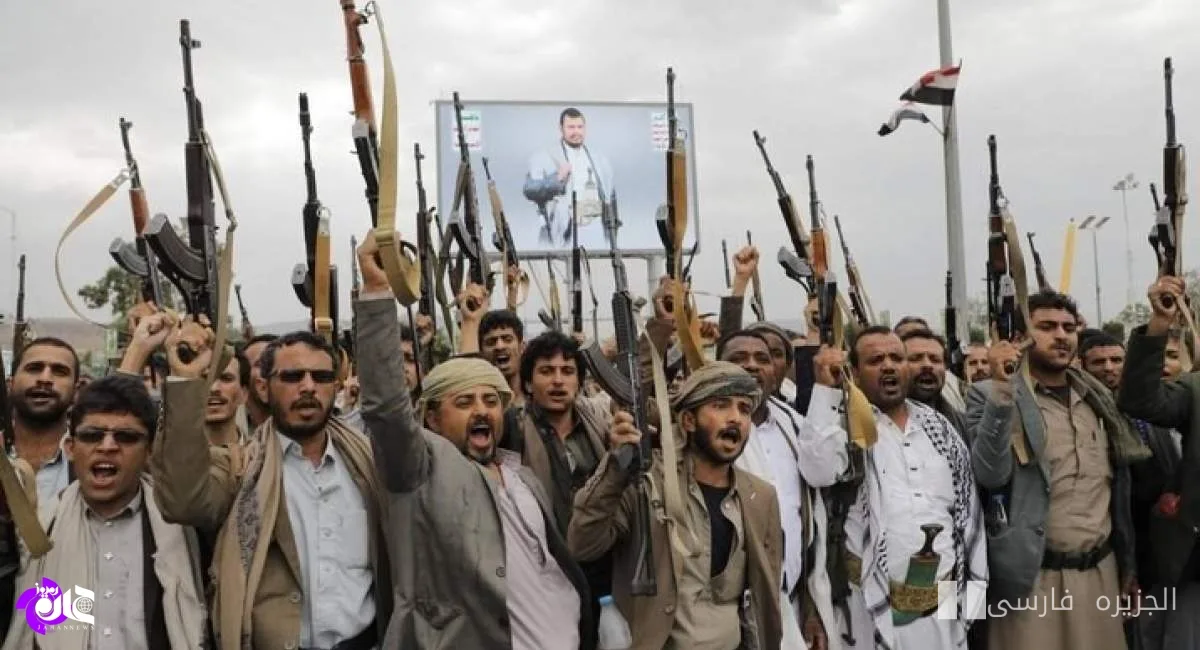
Read more: Analysis of the Strategic Situation of Ansar Allah in the Yemen War
The Role of the UAE and the Possibility of Separation from the GCC
The United Arab Emirates has a distinct approach compared to other Gulf Cooperation Council countries. This country seeks to maintain its economic and security interests and may distance itself from its traditional alliances in this regard. Analysts believe that if pressures on the UAE from other GCC members increase, this country may decide to separate from this entity.
In this context, Greg Stanton, a Middle East analyst, states that the UAE may seek to establish an independent and balanced policy that allows it to act effectively in the face of regional challenges. Especially under the current circumstances where tensions in the Gulf have significantly increased, this country must carefully choose its path.
Possible Consequences for the Region
This situation could have serious implications for security and stability in the Middle East. If the United Arab Emirates genuinely separates from the Gulf Cooperation Council, it could lead to a shift in the balance of power in the region and negatively affect the relations of other Gulf countries with Iran. Additionally, this separation may escalate regional rivalries and lead to new tensions between Gulf countries and Iran.
Ultimately, the current crisis will undoubtedly impact the future of relations between Gulf countries and Iran and may necessitate a reassessment of these countries' security and economic strategies. These developments will prompt regional countries to closely monitor the situation and reconsider their decisions.
Read more: Increase in the Power of Ansar Allah in Yemen Over Years of War · The $38 Billion Cost of the U.S. War Against Iran and Its Economic Implications