Al Jazara
روایت خاورمیانه
Al Jazara
روایت خاورمیانه 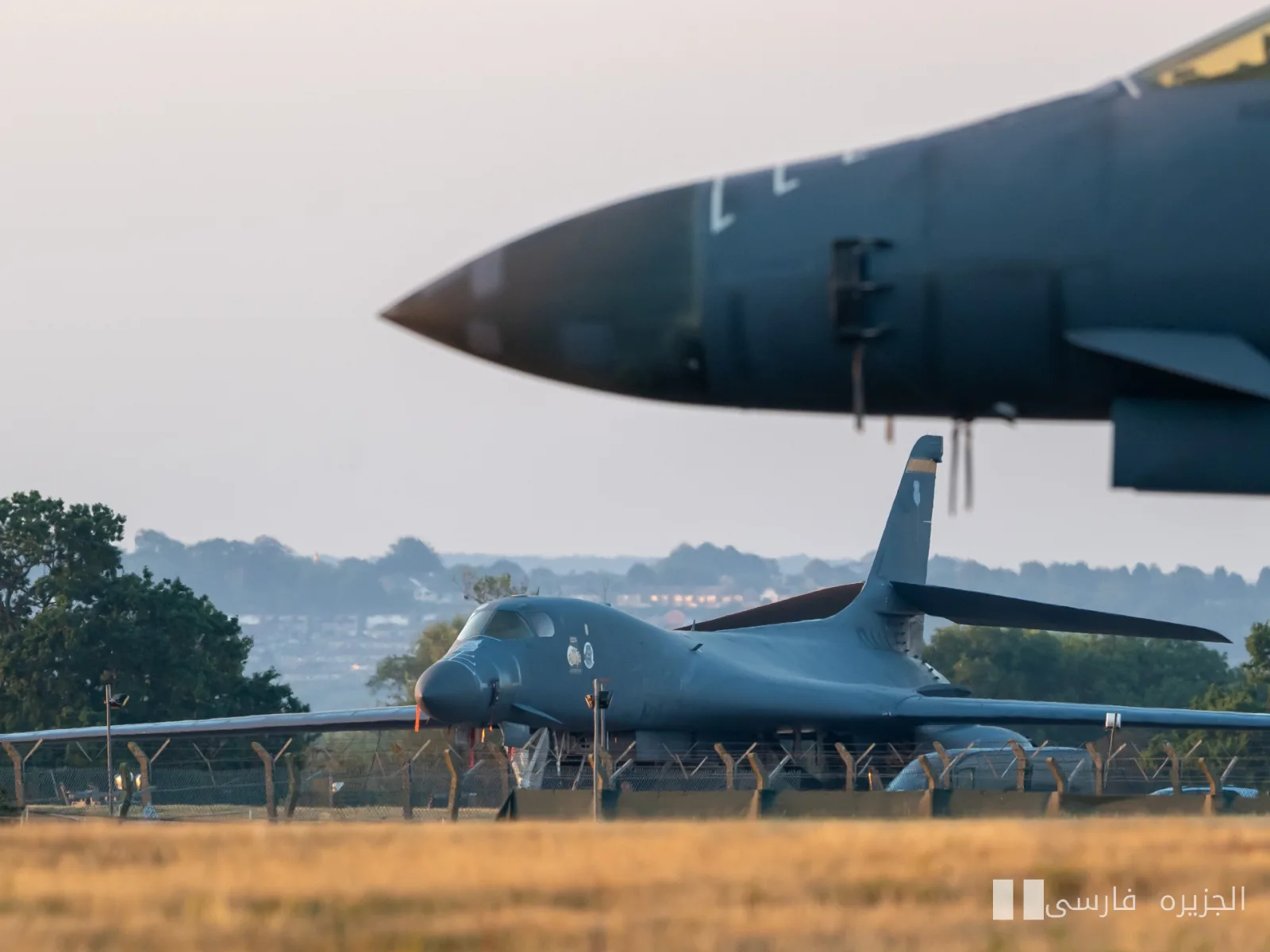
The United States' war against Iran has so far incurred a cost of $38 billion. This report was recently published by the Congressional Budget Office (CBO) and emphasizes that if this conflict continues, about $3 billion will be added to this cost each month. This situation puts significant pressure on the financial resources and economy of the United States.
Economic and Security Consequences of the War
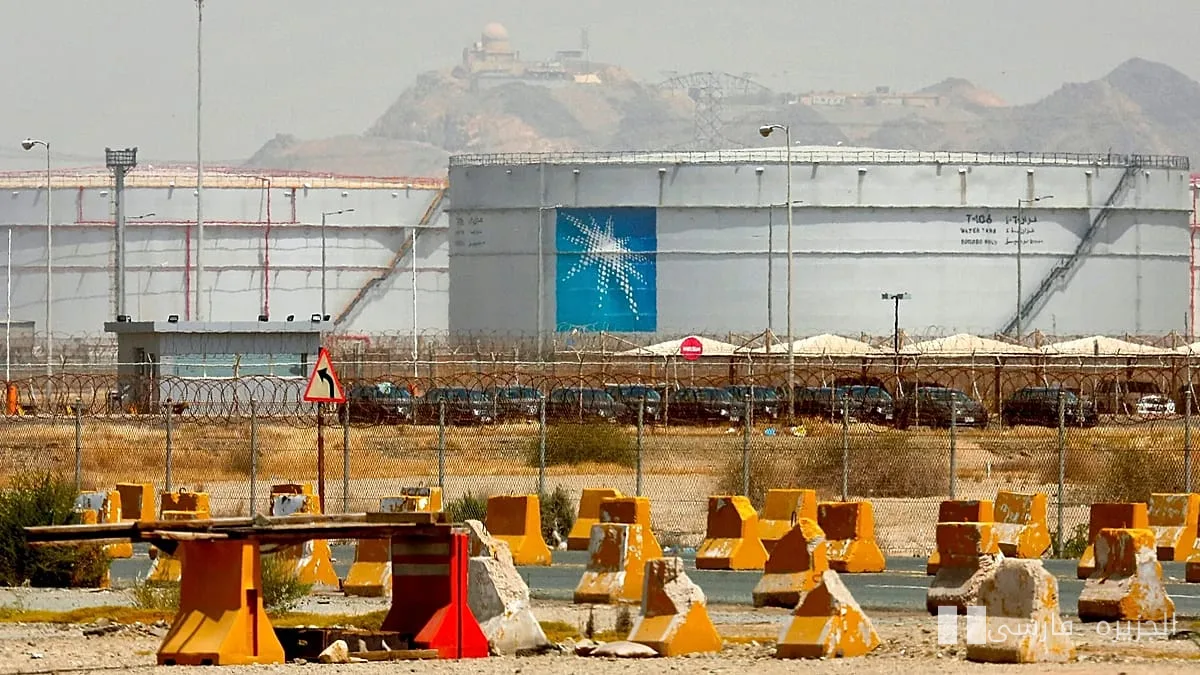
This war, which began on February 28, has had negative impacts on U.S. ammunition reserves and has contributed to rising inflation. The Strait of Hormuz, a key point for global oil exports, remains under Iranian blockade, exacerbating economic crises. The ammunition shortage poses a serious threat to national security and will create more problems in the event of new conflicts.
Read more: Financial pressure from the Iran war on the economic plans of Gulf countries
The CBO report also notes the increasing criticisms of this war. Greg Stanton, a Democratic representative from Arizona, has called for an examination of the war costs and stated that the Department of Defense has not cooperated with this review. He explicitly stated: "Donald Trump's disastrous war in Iran has taken the lives of American servicemen and injured others."
Social and Political Consequences of the War
As the costs of the war have significantly increased, concerns about its social and political impacts are also rising. According to polls, only 31% of Americans support military action against Iran, indicating a sharp decline in public support for this war. In recent days, fuel prices have reached their highest levels, with the average price of a gallon of diesel hitting $6.27. This increase in prices puts more pressure on the daily lives of Americans and leads to higher living costs.
According to estimates, American citizens have paid $100 billion more for fuel in the first six months of the war, averaging about $763 per household. This issue, in addition to rising fuel costs, has also affected food prices and fueled supply chain crises.
As the November midterm elections approach, Democrats are addressing the issue of living costs as a key concern, and this strategy seems to be influencing voters. In this context, some Democratic representatives have recently questioned Scott P. St. Clair, the U.S. Treasury Secretary, about the economic situation.
Read more: Attack on the Saudi Arabia petroleum pipeline and suspension of oil transfer operations · Secret meeting of Ilan Zamir with commanders of the armies of 7 Arab countries in Germany