Al Jazara
روایت خاورمیانه
Al Jazara
روایت خاورمیانه 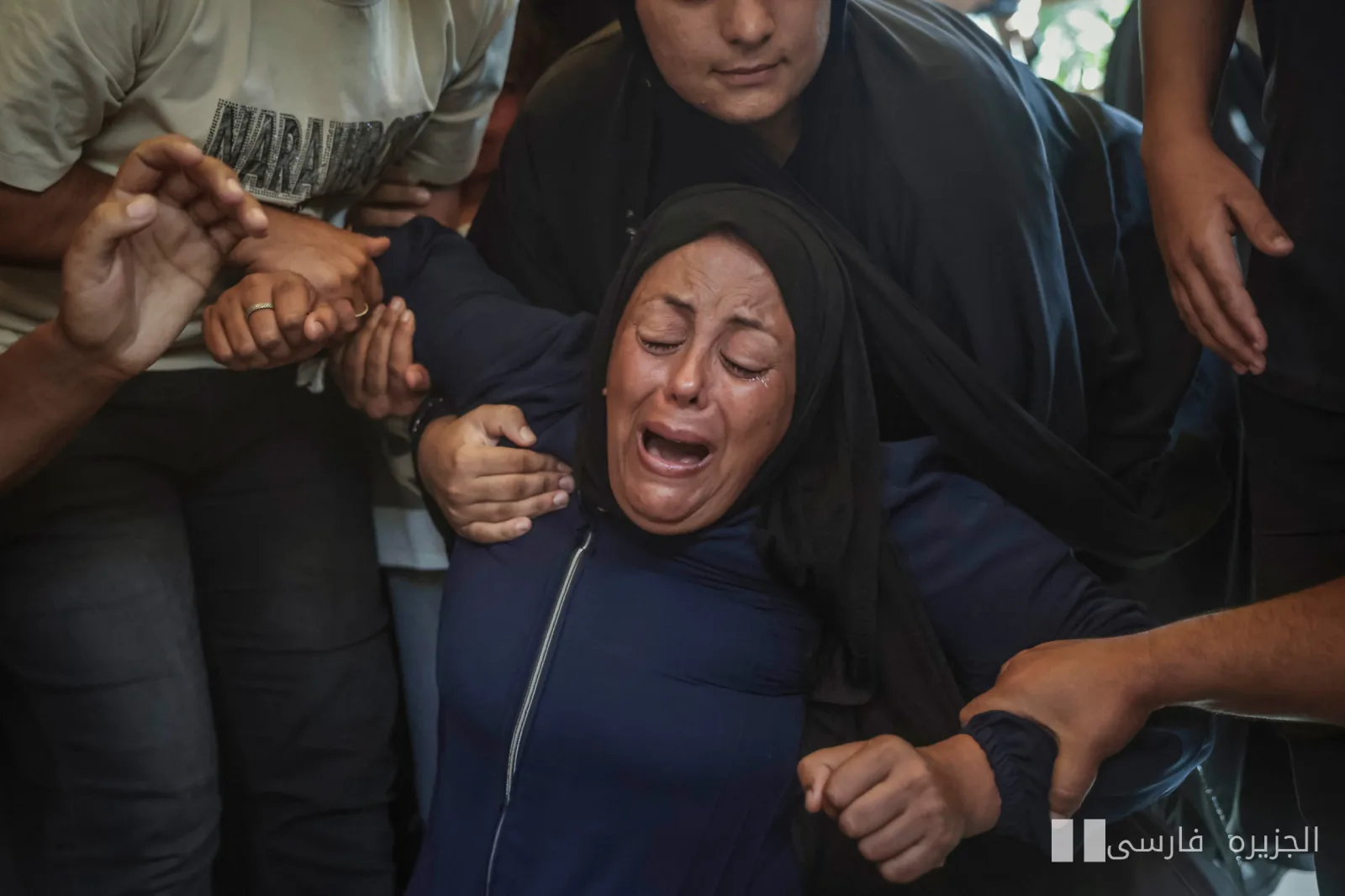
Israeli airstrikes have been reported in various areas of southern Lebanon, including the cities of Qantara and Al-Mansouri, last night and in the early hours of Wednesday. These strikes, carried out by Israeli warplanes, have severely impacted the region and caused panic and anxiety among residents.
Details of the Airstrikes
In the city of Qantara, located south of Tyre, Israeli planes attacked specific targets several times. Meanwhile, large explosions were also heard near Bani Hayyan and in Kafr Tabni. These explosions were so powerful that residents of more distant areas felt them.
Israeli forces also created massive explosions and airstrikes in the city of Al-Mansouri, sending shockwaves to neighboring areas. Residents of nearby regions, including surrounding villages, reported that the ground shook violently beneath their feet, causing fear and concern among them.
Impacts and Consequences
In addition to the attacks in Qantara and Al-Mansouri, other explosions and shelling have occurred in the areas of Wadi Mazlum, Zawtar al-Sharqi, and Wadi al-Hajar. These attacks have not only endangered the security of residents in these areas but have also heightened tensions in the relations between Israel and Lebanon. Given the historical tensions between these two countries, these attacks could escalate existing crises.
On the other hand, this situation has led to an increase in the wave of refugees and migrants in border areas, raising concerns about the occurrence of new humanitarian crises. Many residents are seeking safer shelters, which could lead to increased costs and economic pressures in Lebanon.
Ultimately, these attacks once again highlight the complex crises in the Middle East and the challenges facing residents of border areas. Given the severity of these attacks and their impact on the daily lives of people, there is a pressing need for the international community's attention and immediate action.