Al Jazara
روایت خاورمیانه
Al Jazara
روایت خاورمیانه 
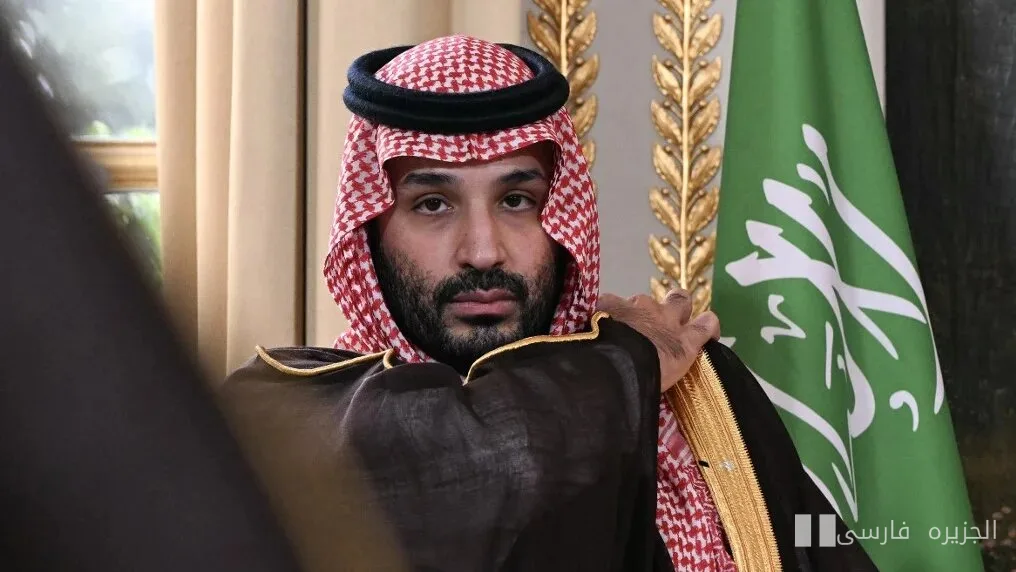
Recent Houthi attacks on Saudi cities and the expulsion of five Iranian diplomats from Riyadh indicate an escalation of tensions in the Persian Gulf and its impact on Iran-Saudi relations. These developments come especially after the agreement between the two countries in 2023, which was seen as a sign of a shift in Gulf policies.
Recent Developments and Their Impact on Regional Security
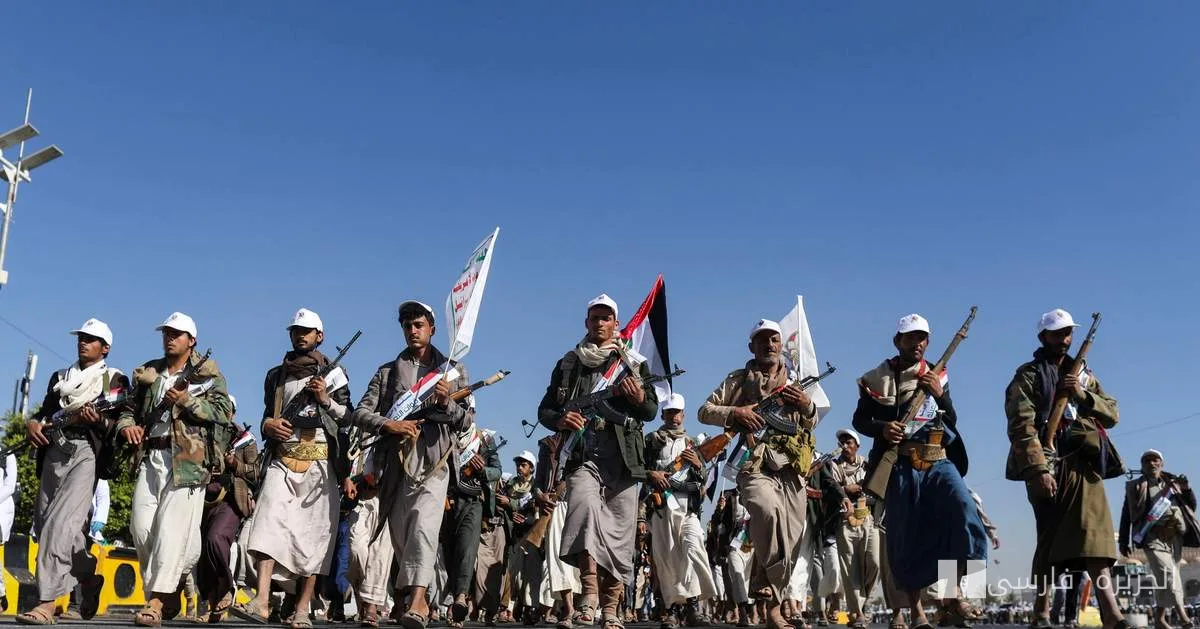
On September 8, the Houthis launched a coordinated attack, carrying out a series of drone and missile strikes on several cities and strategic facilities in Saudi Arabia, including Abha, Khamis Mushait, Jizan, and Najran. These attacks not only increased the intensity of violence but also clearly had serious implications for the security of the Persian Gulf. This is while, in recent years, conflicts had largely remained within the borders of Yemen.
Read more: Analysis of the Costs of Closing the Straits for Iran and the U.S.
This escalation of tensions, along with new pressures from Iran on the Strait of Hormuz, has increased the importance of Saudi Arabia's export routes to the west via the Red Sea. Thus, the Bab el-Mandeb Strait has gained greater significance as a strategic gateway for energy flows, especially in the current wartime conditions in the region.
Diplomatic and Security Consequences
Following these developments, planned negotiations between the Gulf countries and Iran in Oman were postponed due to unfavorable security conditions. The negotiations, which were supposed to take place in the city of Salalah, aimed to discuss maritime security measures and reduce risks in one of the world's most important waterways. However, given the circumstances, Oman announced that this meeting has been postponed, and no new date has been set.
This postponement reflects the reality that the political atmosphere is rapidly influenced by military tensions. For Saudi Arabia, discussing maritime security with Iran while facing missile and drone attacks from an Iran-aligned actor has created a serious political contradiction. This situation makes it difficult for the country to continue dialogue easily and maintain the strategic trust necessary to achieve meaningful outcomes.
Ultimately, this escalation of tensions raises the question of whether Iran can exploit regional pressures while maintaining stable relations with its Arab Gulf neighbors. These developments, especially following the restoration of diplomatic relations between Tehran and Riyadh in 2023, are seen as a serious challenge to Iran's regional policies.
Read more: Recep Tayyip Erdoğan Nominated for the 2028 Presidential Election in Turkey · U.S. Officials' Dialogue with Houthi Representatives in Oman