Al Jazara
روایت خاورمیانه
Al Jazara
روایت خاورمیانه 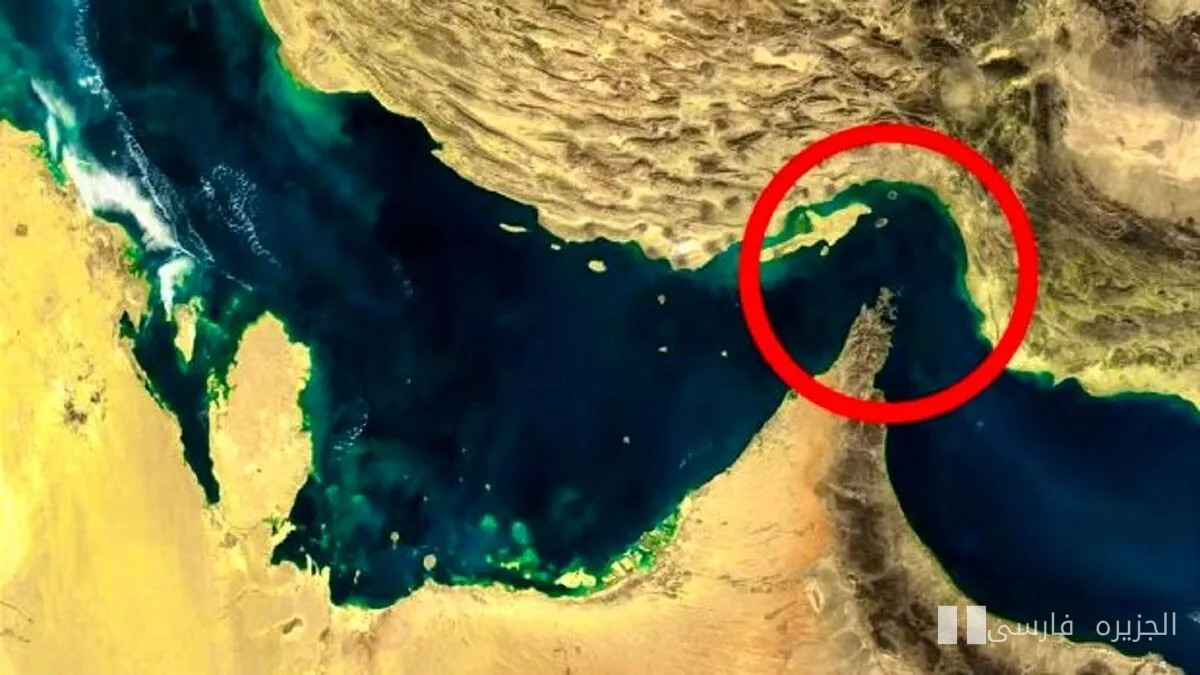
The closure of the straits, especially the Bab-el-Mandeb and the Strait of Hormuz, has become one of the important topics in the global political and economic landscape. This situation has raised many questions; particularly, "Who can bear the costs of the straits' closure for a longer period?" and whether Iran or the USA, as the two main players in this arena, are in a better position.
Strategic Cost Analysis
Answering this question is not straightforward and requires a more precise understanding of the economic and political positions of each party. In fact, the main question is, "Who is trying to keep the straits open?" In this context, China and Russia must also be considered in the analysis. The price of oil, as a key factor, can play a role in this analysis. Iran and the USA each have their own perceptions and strategies in this regard that need to be examined.
Read more: Turkey on the brink of confrontation with the Houthis following the Mecca agreement
Cost Bearing and Its Consequences
Iran, as a country that can bear the costs of the straits' closure to some extent, is in a unique position. The closure of these straits may put pressure on Iran's economy, but if this situation leads to favorable outcomes, the costs will be negligible. On the other hand, if this strategy fails, Iran can claim that it had nothing to lose. This risk, although it seems significant, is considered part of wise policymaking.
On the other hand, if the USA can keep the straits open, it will gain immediate and long-term benefits. Otherwise, the country will face serious problems. The closure of the straits not only carries strategic costs but can also lead to rising oil prices and, consequently, economic and political pressure within the USA. This situation is particularly concerning for Americans who are worried about food and fuel prices.
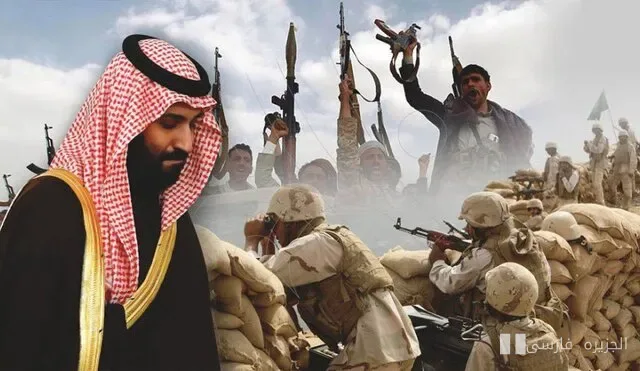
Ultimately, the USA's negotiations with the Houthis to allow the passage of ships indicate that Bab-el-Mandeb is politically opening up, but economically it remains closed. This issue leads to economic uncertainties and increased costs. Moreover, these negotiations could be seen as another strategic failure for the USA, especially considering the economic and humanitarian conditions in Yemen.
Read more: Abdul Jalil Shaif: The Houthis' control over the Bab-el-Mandeb Strait is like an atomic bomb · Meeting between American officials and Houthi representatives in Oman