Al Jazara
روایت خاورمیانه
Al Jazara
روایت خاورمیانه 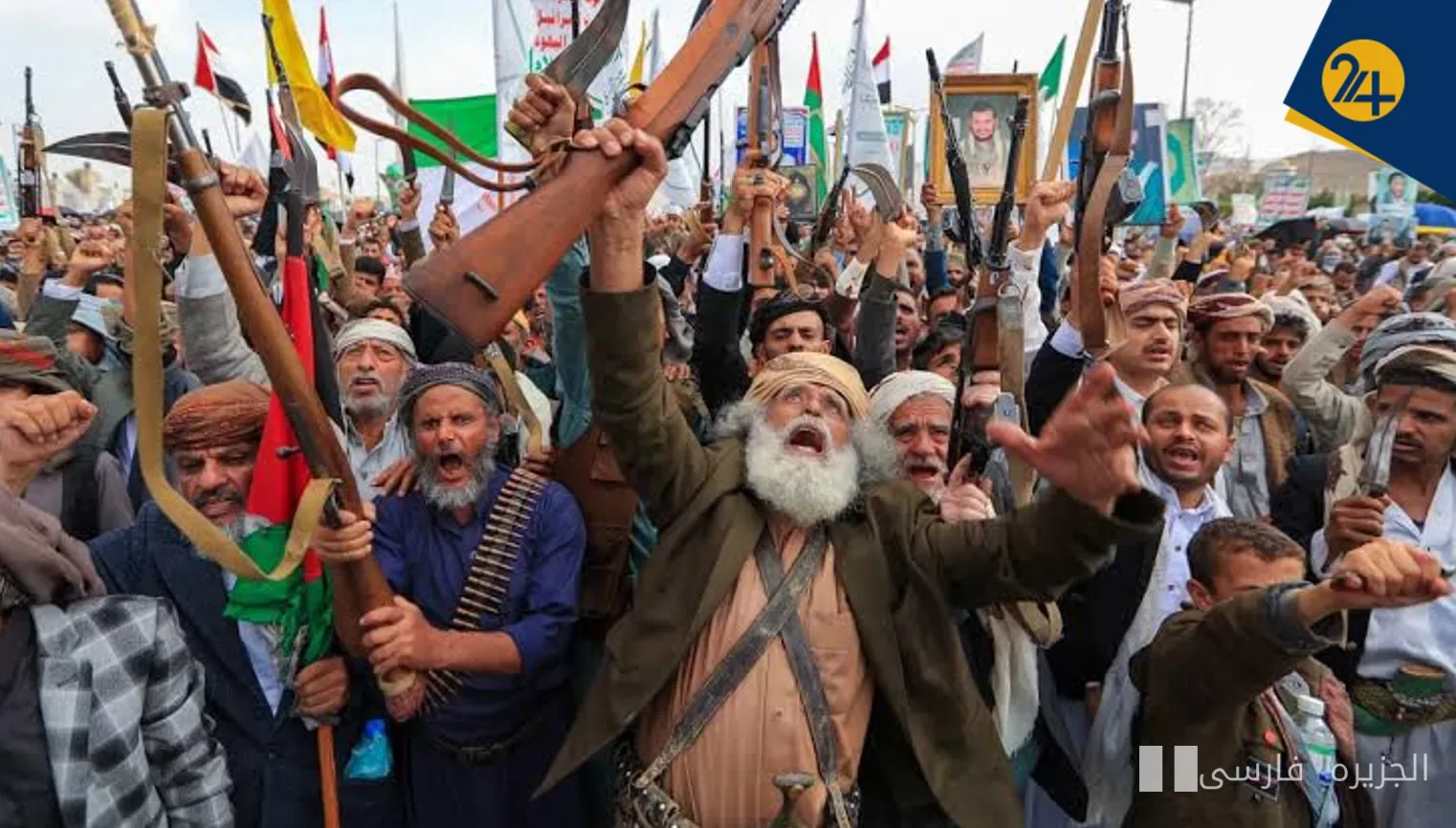
Last week, the Houthis consolidated their control over the strategic Bab al-Mandab Strait in favor of Iran by capturing the coastal cities of "Mokha" and "Dhabbah" as well as controlling the island of "Perim." This event is considered a significant and unprecedented strategic achievement for Iran and the Houthis, occurring at a time when Tehran is attempting to increase the economic costs of its confrontation with the United States.
Importance of the Bab al-Mandab Strait
The Bab al-Mandab Strait, which connects the Red Sea to the Gulf of Aden and the Indian Ocean, is about 18 miles wide at its narrowest point and is considered one of the most important maritime chokepoints in the world. According to United Nations statistics, approximately 8.7% of global maritime trade passes through this strait, which includes 20% of the world's vehicle and container transport and 15% of petroleum products. The strait is naturally divided into two transit routes by Perim Island, and any disruption in this route could have global repercussions.
Read more: Israeli Airstrike in Gaza Leaves Two Dead
Consequences and Reactions
Saudi Arabia, as a key U.S. ally in the region, is now at the center of this crisis, and the simultaneous control threat of the Strait of Hormuz and Bab al-Mandab by Iran-backed forces could exert more pressure on Washington. These developments have caused oil prices to rise above $100 per barrel, the highest level since May. A Yemeni official from the Saudi-backed legitimate government stated, "Friday was the first day that Iran really began to win the war."
On Saturday, Donald Trump, the President of the United States, told reporters, "The Houthis contacted us" and "They don't want to fight us." These remarks came as Iran simultaneously increased its influence from Iraqi territory and targeted a drone attack on the East-West oil pipeline in Saudi Arabia. This pipeline used to transport up to 7 million barrels of oil daily towards the Red Sea, and the attack on it has put additional pressure on global energy supplies.
Analysts believe that this attack indicates a level of coordination among Iran-affiliated forces, and there is a possibility that the Houthis will use their territorial gains to create a broad blockade. It is currently unclear how Trump will respond to these developments, but a large U.S. military operation to reopen the Bab al-Mandab could drive oil prices significantly higher than current levels.
In this context, Gulf oil-exporting countries are also planning to build alternative routes to reduce dependence on the Bab al-Mandab Strait. Abdullah Al-Junaid, a Bahraini geopolitical analyst, stated that the likelihood of a renewed large-scale U.S. operation against the Houthis is low, as the U.S. Navy is overextended and lacks sufficient resources to simultaneously address threats from Iran and Yemen. This situation underscores the importance of the Bab al-Mandab Strait and the need for international cooperation to ensure its security.
Read more: Vehicle Ramming Operation Near Ariel Settlement in Northern West Bank · Saudi Arabia in Yemen: New Challenges and Repeated Failures