Al Jazara
روایت خاورمیانه
Al Jazara
روایت خاورمیانه 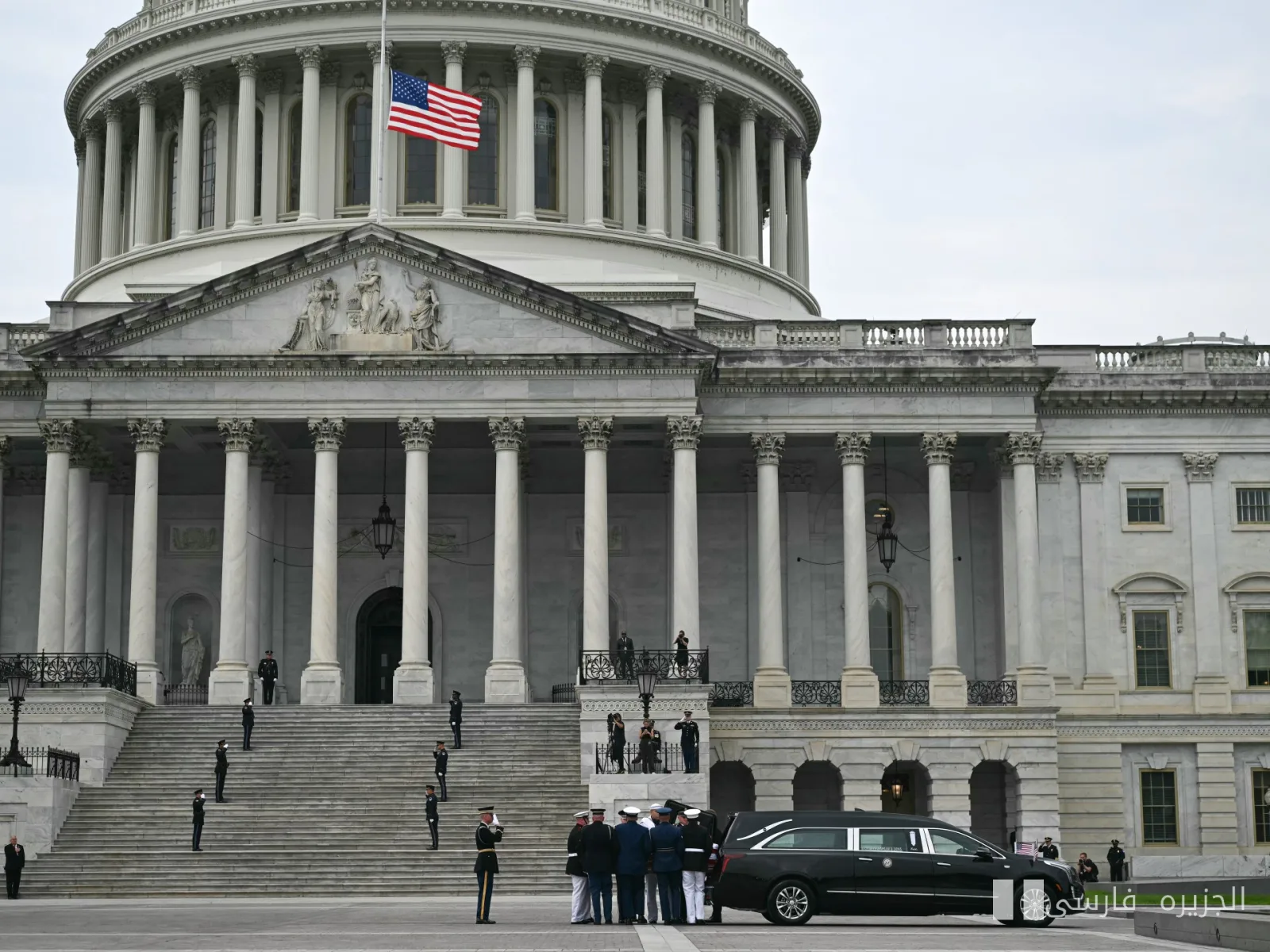
On Tuesday, the U.S. House of Representatives voted for the third time to end the war in Iran. This decision means preventing President Donald Trump's continued military operations without congressional approval. In this regard, seven Republican representatives voted in favor of this resolution, including three representatives who voted for this resolution for the first time.
Details of the Vote and Representatives' Positions
Zach Nunn, a Republican representative from Iowa, explained his vote by stating that "with the negotiation window closing, ongoing military operations now require congressional approval." He also stated: "I do not support another endless war." On the other hand, Brian Mast, a Republican representative from Florida and chairman of the House Foreign Affairs Committee, criticized Democrats' efforts to reduce military resources in the region and stated that Iran remains a threat to the U.S.
Read more: Israeli Morning Attacks on the West Bank and Fires in Palestinian Farms
Consequences and Current Status of the War
The military operations that Trump began on February 28 have continued unabated and have plunged the region into chaos with deadly missile exchanges. Nearly seven months later, the war that Trump initiated has become a significant issue in election campaigns. Congressional representatives will return home at the end of this week to fully engage in election campaigns, with less than 50 days remaining until the elections.
Reports released by the Congressional Budget Office indicate that the war in Iran has led to increased inflation and pressure on the country's ammunition stockpile. The cost of this war has reached $38 billion in six months and is expected to increase by $3 billion monthly. It is also predicted that this war will increase inflation by 0.5 percent in the first quarter of 2027.
The Trump administration, while promising not to involve the U.S. in foreign wars, has faced serious challenges. Most Americans believe that the war in Iran is not worth fighting for. Congress has made repeated efforts to change the course of the war against Iran, but as long as the President can veto military actions, these efforts will face difficulties.
The House of Representatives first passed a resolution for war powers in June and took similar action again in July. Meanwhile, the U.S. Senate also succeeded in passing a similar resolution in its repeated efforts, but immediately after Trump criticized Republican representatives at an informal lunch, they changed their position.
Read more: Destruction of Rocket Platforms in Southern Lebanon and Parliamentary Tensions in Beirut · Saudi Arabia's Attempt to Repeat the Syrian Scenario in Yemen Failed