Al Jazara
روایت خاورمیانه
Al Jazara
روایت خاورمیانه 
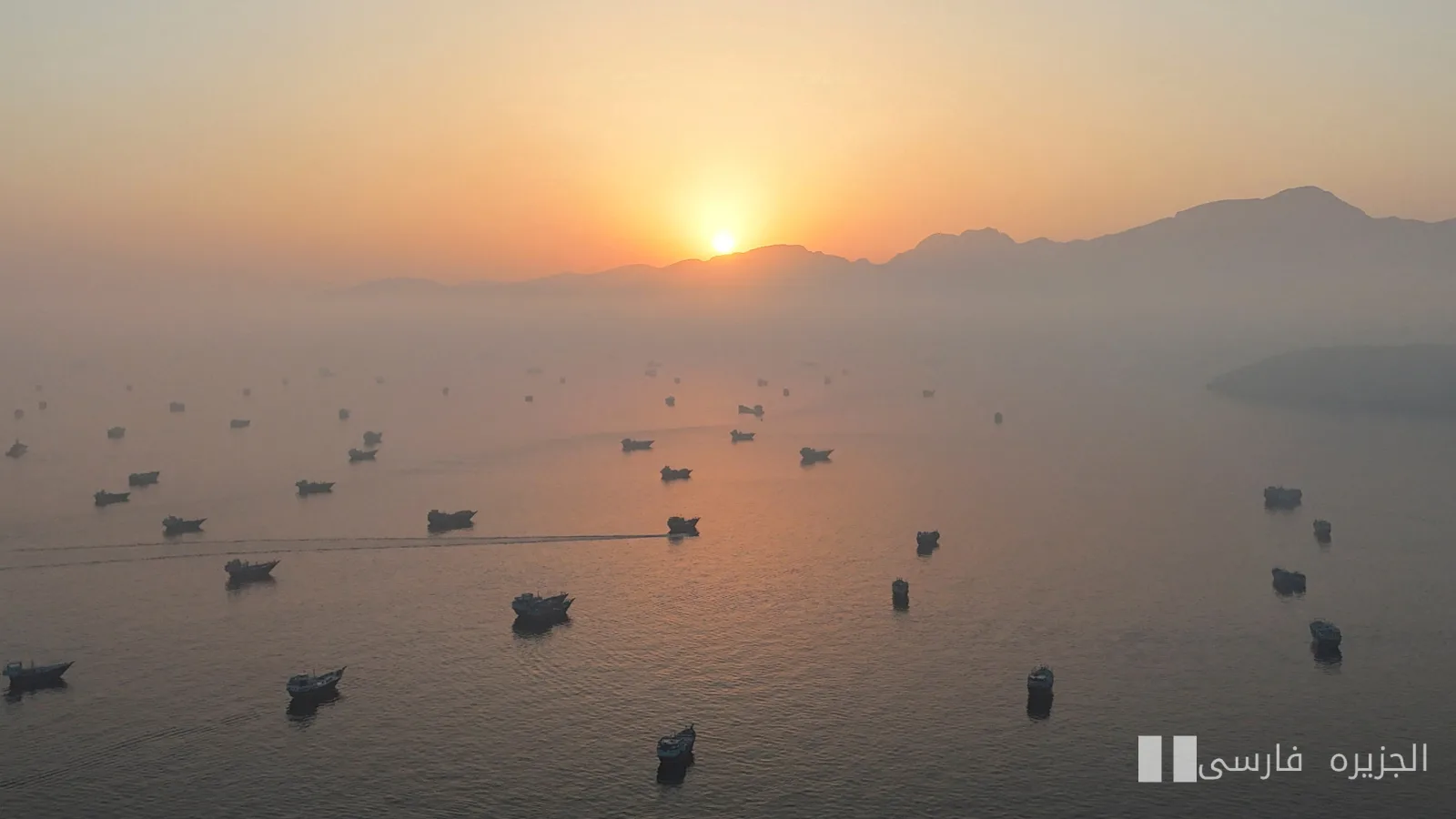
Tensions in the Persian Gulf have reached their peak. In a controversial military action, the U.S. Navy has attacked and bombed five Iranian oil tankers. This attack occurred following a confrontation between the naval forces of the two countries, raising new concerns about maritime security and energy supply.
Analysis of the New Situation
This bombing has been justified as a response to an attack on the U.S. Navy. However, in reality, this action reflects the escalation of tensions between Iran and the United States, two countries that have been embroiled in a long-standing rivalry and ongoing tensions for years. These conflicts, particularly in the realm of oil and energy, have taken on new dimensions.
Analysts believe that this attack could have widespread implications for the oil market as well as international relations. Given that the Persian Gulf is one of the most important oil transportation routes in the world, any disruption in this region could have profound effects on prices and energy security globally.
The Future of Tensions
In light of these developments, we should anticipate reactions from Iran and other countries. Many experts emphasize that this attack is merely the beginning of a new phase of conflicts. Considering the history of tensions in this region, it seems we should expect further developments in the near future.
Ultimately, the current situation in the Persian Gulf is viewed not only as a local crisis but also as a serious challenge to global security. With rising tensions, the likelihood of further military confrontations exists, which could have unpredictable consequences for all countries involved.