Al Jazara
روایت خاورمیانه
Al Jazara
روایت خاورمیانه 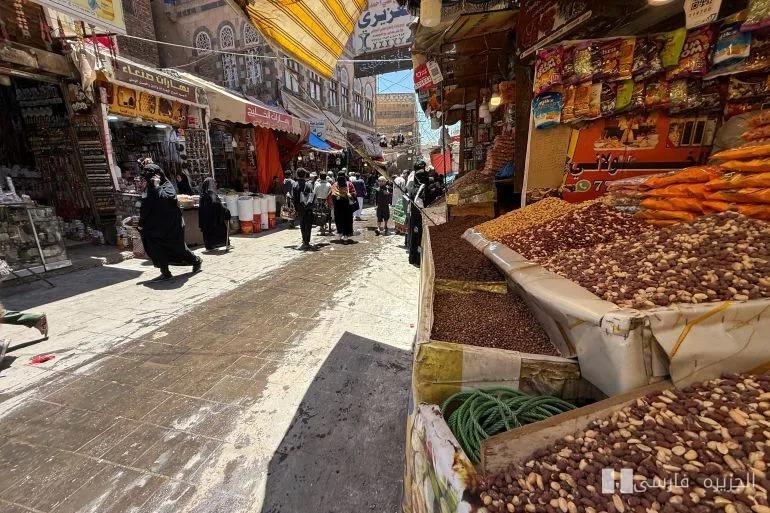
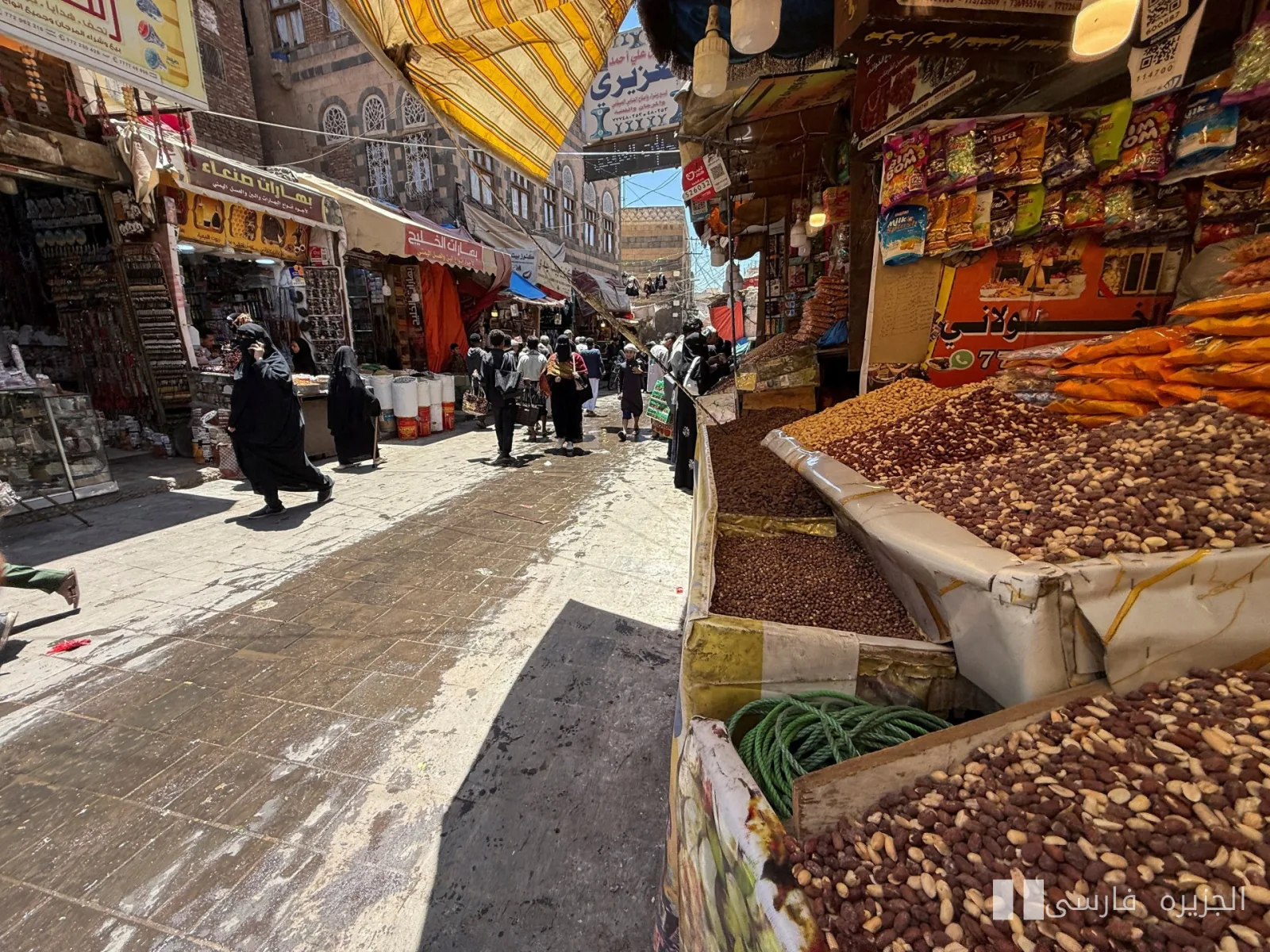
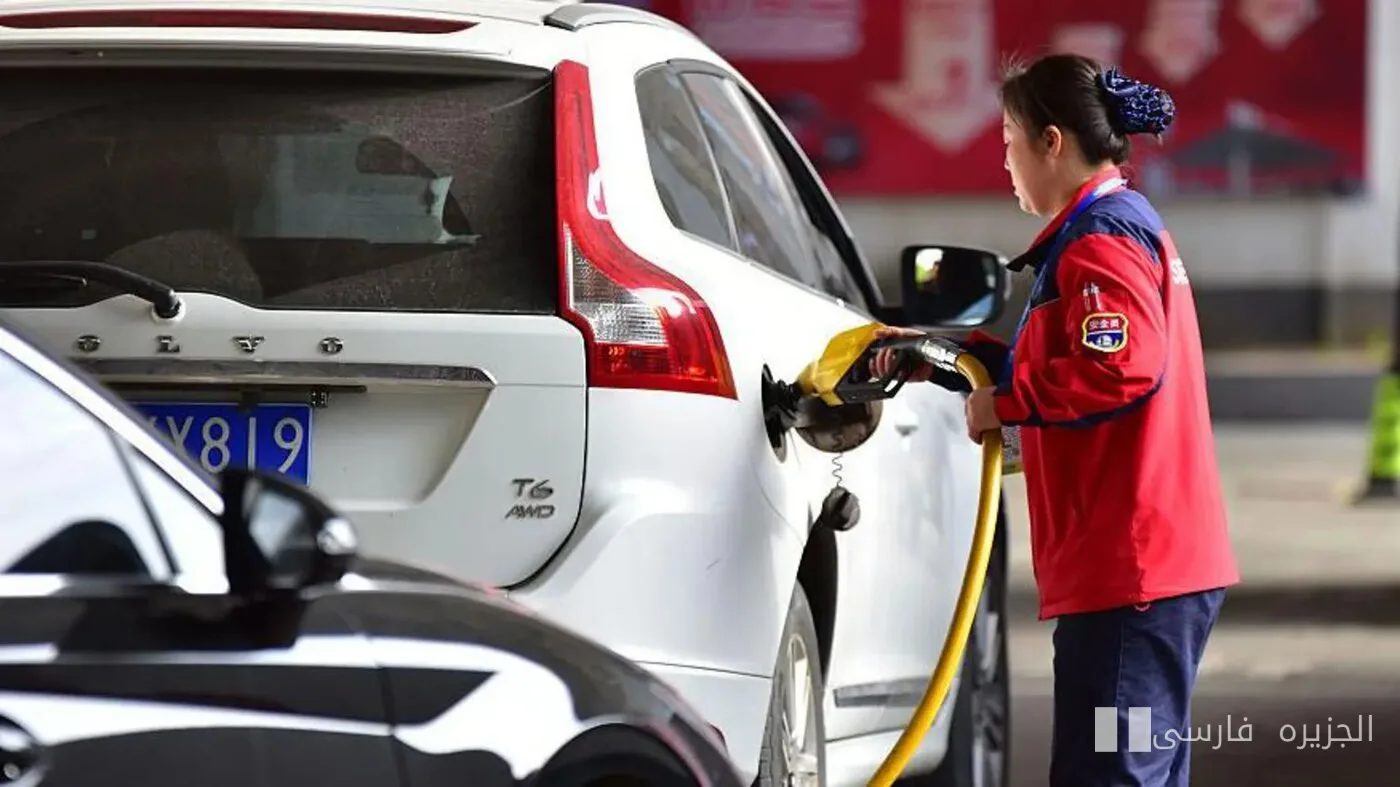
Ahmad Yahya, 28, fills his taxi's tank with 10 liters of gasoline at a gas station on the outskirts of Sana'a early in the morning. As the provider for his family, this taxi driver wipes the dust off the windshield and says, "First, I fill my taxi's tank with fuel so it can help provide for my family."
Fuel Price Increase and Its Impact on Household Lives
Until earlier this week, Yahya was paying 4,750 Yemeni rials (approximately $8.90) for fuel in areas controlled by the Houthis. This price had remained stable for about four years, but on Monday, the Houthis announced a roughly 10% increase in gasoline prices, bringing it to 5,250 Yemeni rials ($9.80). Yahya described this price increase as "another painful shock for people who have already been devastated."
Read more: Card Payments in Iran; From Technology to Challenges
The Yemen Oil Company, which is under Houthi management, stated that the increase in diesel and gasoline prices was due to "global fuel price increases" and promised that this situation would be temporary. However, the seizure of the southern Red Sea coasts of Yemen and attacks on Saudi Arabia have also played a significant role in the price increases.
Economic and Social Consequences of Price Increases
Yahya expressed regret over this increase, saying, "We are struggling to make ends meet, and this price increase will make survival even harder." He has been working as a taxi driver for five years and feels financial insecurity due to fluctuations in food and fuel prices. He added, "My family spends about 75,000 Yemeni rials [$140] monthly on food expenses, and with the increase in fuel prices, we will need 85,000 Yemeni rials [$159] a month to buy the same food items."
Reports indicate that the resumption of conflicts in Yemen in recent months, after a four-year period of relative calm, has contributed to rising prices. Saleh Abdullah, a shopkeeper in Sana'a, explains that transportation costs have risen, putting pressure on consumers. He said, "This means that no family is safe from this problem."
In this situation, the "United Nations High Commissioner for Refugees" has also warned that violence may exacerbate the humanitarian crisis. "Wafiq Saleh," an economic researcher, emphasized that the 10% increase in fuel prices, as intermediate inputs for goods and services, will create new difficulties for families.
Read more: The U.S. Federal Reserve Raised Interest Rates and Announced the Possibility of Further Increases · People of Qom Consider the Resistance of the Yemeni Nation a Symbol of Standing Against Oppression