Al Jazara
روایت خاورمیانه
Al Jazara
روایت خاورمیانه 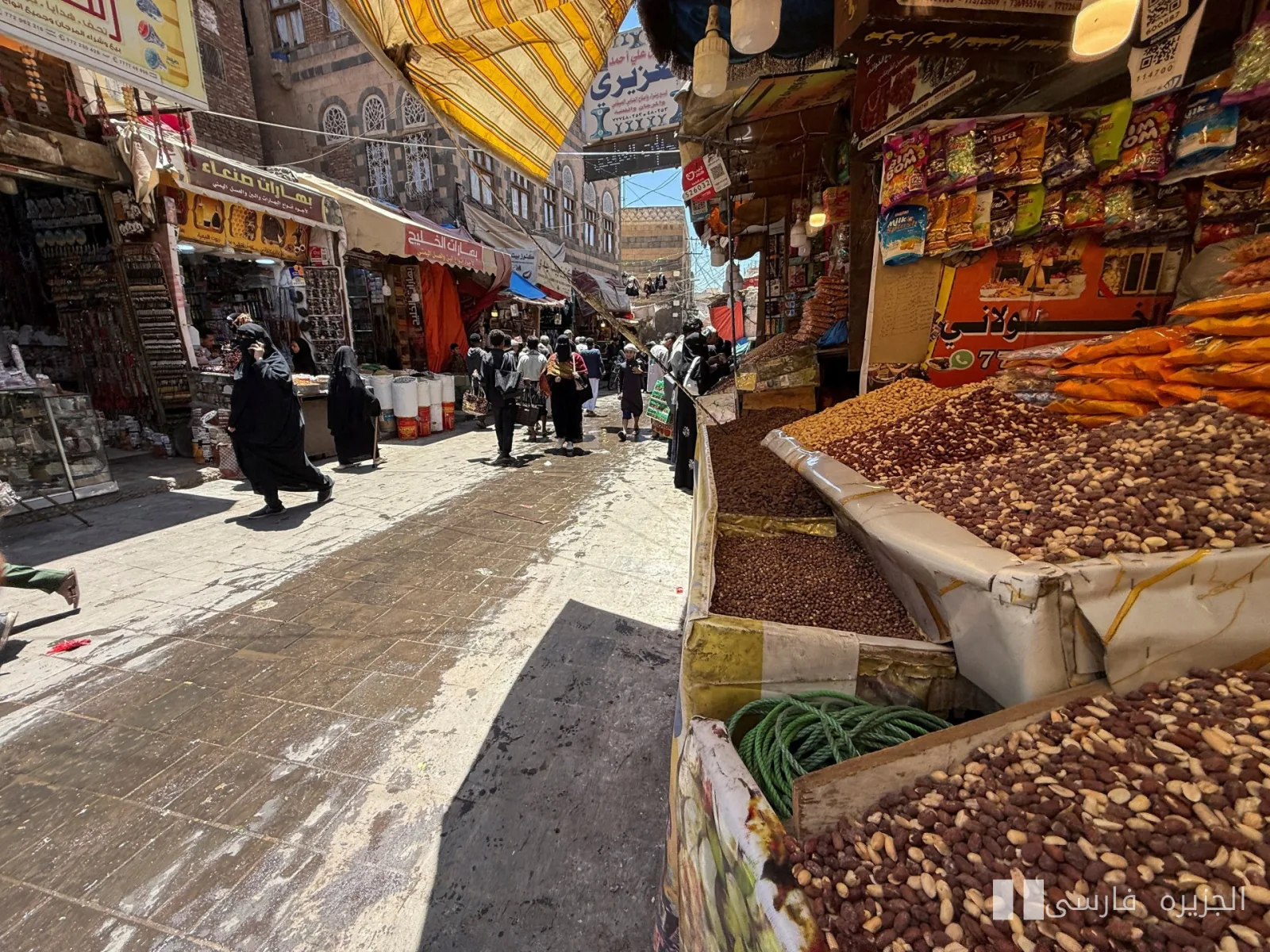
Ahmad Yahya, 28, is filling up 10 liters of gasoline for his taxi at a gas station on the outskirts of Sana'a. He says, "First, I fuel my taxi so I can support my family." Until earlier this week, Yahya was paying 4750 Yemeni riyals (about $8.90) per liter of gasoline, a price that had remained stable for four years.
10% increase in fuel prices
However, on Monday, the Houthis announced that the price of gasoline has increased to 5250 Yemeni riyals ($9.80). Yahya described this increase as "a painful surprise for people who are already devastated." The Houthi-controlled Yemen Oil Company stated that this price increase is due to the global rise in fuel prices and promised that this change would be temporary.
Read more: Saudi oil exports via ship-to-ship transfer in Oman
The rise in global oil prices this year has been influenced by the war between the U.S. and Israel with Iran, as well as the Houthis' seizure of southern Yemen's coasts and attacks on Saudi Arabia. Yahya, who has three children, says, "We are living hard, and this price increase will make survival more difficult." He adds, "My family spends about 75000 Yemeni riyals ($140) monthly on food expenses like flour, rice, and oil. With the rise in fuel prices, this cost will reach at least 85000 Yemeni riyals ($159)."
The impact of war on prices
The resumption of war in Yemen in recent months, after four years of relative calm, has contributed to rising prices. For Yahya, who is relatively safe in Sana'a, the rising costs are more concerning. He says, "When prices go up, it affects what we eat, drink, and how we live. I pay 25000 Yemeni riyals ($47) in rent every month, and now with the increase in food prices, saving money for rent has become harder. What is the priority? Rent or food?"
A recent report from the International Monetary Fund indicates that the internal conflict in Yemen has severely impacted the country's economy and increased the need for humanitarian aid for more than half of the population.
Meanwhile, the rising transportation costs due to the war and the increase in fuel prices have put more pressure on families. One seller in Sana'a, Saleh Abdullah, says, "This means that no family is immune from this problem. Everything you buy, like flour, baby milk, fruits, and vegetables, is affected by the price increase."
Read more: BRICS summit in New Delhi, a turning point in international payment systems · Saudi coalition airstrikes in Hajjah province of Yemen leave one dead