Al Jazara
روایت خاورمیانه
Al Jazara
روایت خاورمیانه 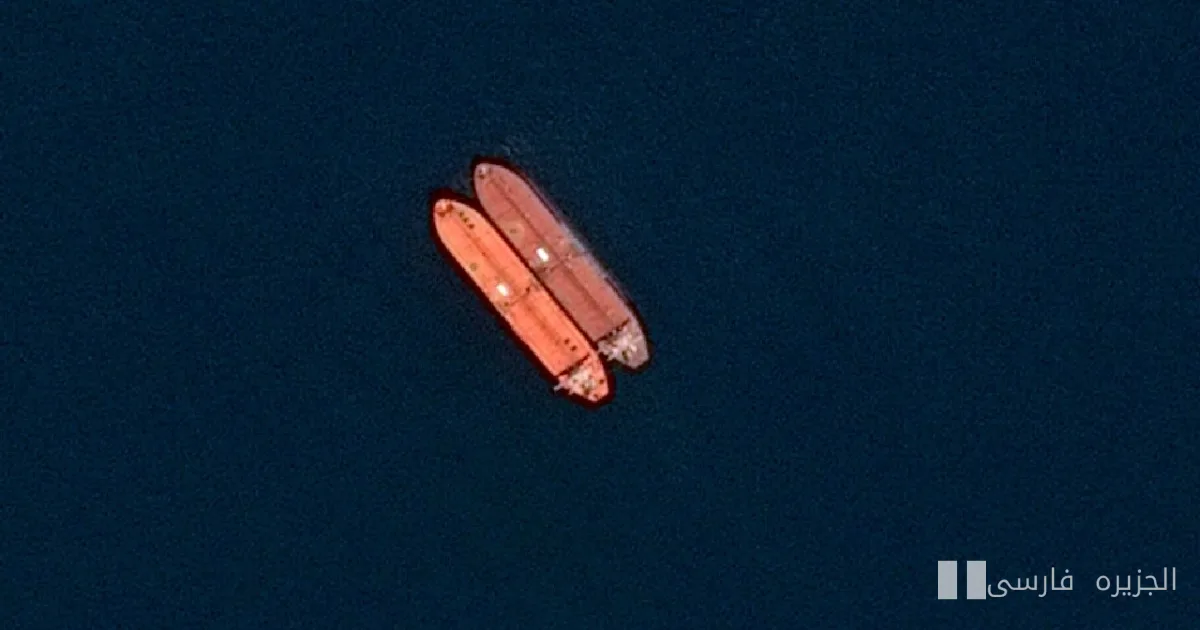
Saudi Arabia is facing serious challenges in oil exports after its key East-West pipeline was damaged by Iranian-aligned Houthis. This pipeline, which served as a route to bypass the blockage of the Strait of Hormuz, is now closed, and Saudi Arabia is seeking alternative ways to export its oil.
Oil Transfer to Sohar Port, Oman
With the closure of the Strait of Hormuz and the control of Bab al-Mandab by the Houthis, Riyadh has gradually begun transferring oil to buyers via ship-to-ship near the Port of Sohar in Oman. This port, located outside the Strait of Hormuz, serves as a strategic point for transferring oil from Saudi tankers to other vessels.
Read more: Greg Stanton and the Economic Impacts on the Collapse of Nations
The Strait of Hormuz, which before the war accounted for nearly one-fifth of global energy, is considered a dangerous passage for ships due to tensions and military attacks. With rising oil prices and the closure of this strait, the United States and its allies in the region have been forced to adopt covert methods similar to those used by Iran for its oil exports.
Ship-to-Ship Transfer Operations
Ship-to-ship (STS) transfers are maritime exchanges in which oil or liquefied natural gas cargo is directly transferred between two ships at sea. This method acts as a vital logistical bridge when direct access to a port is blocked or restricted. In this process, one of the ships, usually the larger vessel, maintains its fixed course or anchors while the other ship approaches slowly.
This operation requires precise coordination and favorable sea conditions to prevent leaks or collisions. During this operation, trackers are often turned off to avoid detection and discovery. After several safety checks, the pumps on the oil-discharge ship transfer oil through connected hoses while monitoring pressure and weather conditions.
With the closure of the 1,200-kilometer East-West pipeline, Saudi Arabia has resorted to transferring oil through the Strait of Hormuz as well as ship-to-ship transfers at the Port of Sohar in Oman. Reports indicate that in the first two weeks of this month, exports from this route have increased to over 2 million barrels per day.
In addition to Saudi Arabia, countries like Kuwait and Qatar have also occasionally resorted to similar methods for passing their shipments through the Strait of Hormuz. However, ship-to-ship transfer comes with its own specific risks and challenges. Experts point to the dangers posed by the use of older ships and the lack of hose inspections, which can lead to unfortunate incidents.
Despite these risks, ship-to-ship transfers in the current unstable conditions of the Middle East allow Gulf countries to export more of their oil and gas. In this situation, Gulf countries face risks from military attacks and political tensions, which is why they have turned to these covert methods to maintain their export flow.
Read more: Boeing Finalizes 150-Plane Deal with Turkish Airlines · Significant Decrease in Ship Traffic in Bab al-Mandab Due to Military Tensions in Yemen