Al Jazara
روایت خاورمیانه
Al Jazara
روایت خاورمیانه 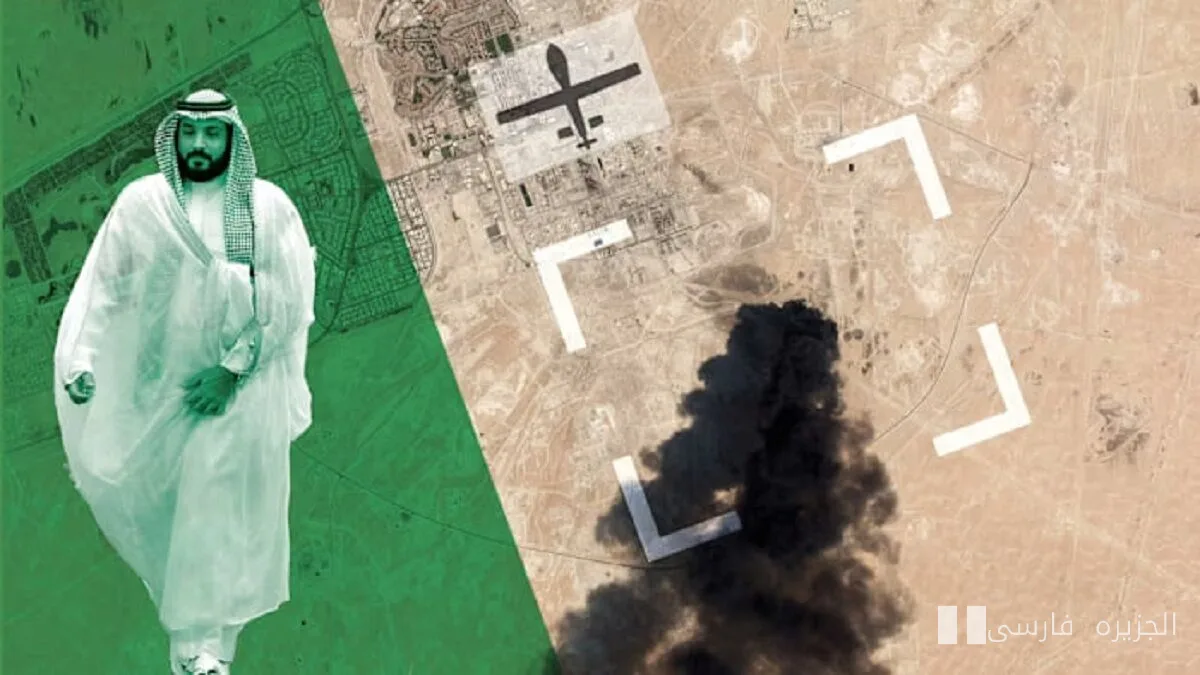
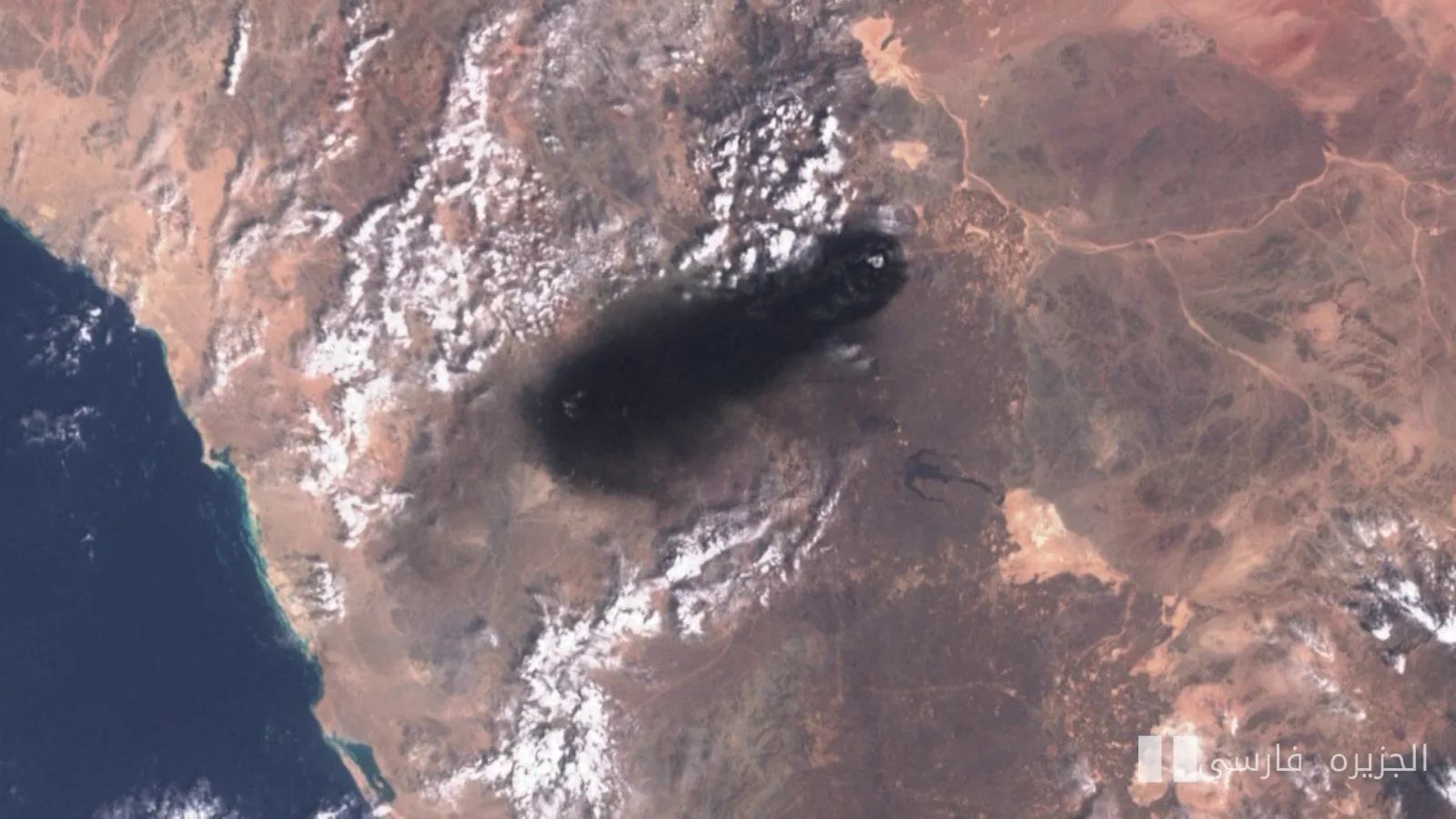
The East-West oil pipeline in Saudi Arabia, which transports about 4 to 5 million barrels of oil daily from the eastern fields of the country to the port of Yanbu on the Red Sea, was halted last Thursday due to drone attacks. This pipeline allows Saudi Arabia to bypass the Strait of Hormuz, a route that has been severely disrupted since the war began in February.
Immediate Effects on the Global Oil Market
With a decrease in global demand for oil during the war and the cancellation of travel plans by many consumers, the shutdown of the East-West pipeline comes at a critical time for the global oil market. This shutdown, caused by damage from the attacks, has been described by Saudi officials as "precautionary." The Saudi Ministry of Energy has announced that this attack has resulted in injuries to individuals in the Riyadh and Medina regions, and its effects on the country's oil infrastructure are significant.
Read more: Oil prices rise above $100 due to Middle East tensions
Uncertain Future for the Pipeline and the Oil Market
Given that repairs to the pipeline may take five to six weeks, the question arises as to what the shutdown of this pipeline means for the global oil market. Saudi Arabia has become more dependent on this pipeline due to the existing issues in the Strait of Hormuz. Current estimates indicate that oil flow through the Strait of Hormuz has significantly decreased, with figures now around 6 to 9 million barrels per day.
Saudi Arabia had also increased the volume of crude oil sent westward during the first five months of the war, but now, with the pipeline shutdown, this situation will be severely affected. Estimates from the Yanbu reserves indicate that this facility is only sufficient for five to seven days, while reserves in Egyptian facilities may soon be depleted as well.
If the damage to the pipeline is extensive, Saudi Arabia may face serious limitations in its ability to compensate for exports. The Gavekal Research Institute has warned that if the Yanbu facilities are taken offline due to security threats, this situation could lead to a disaster for the global oil market.
At the same time, the International Energy Agency has warned that Saudi oil supply in August has reached its lowest level in over three decades. The agency predicts that global oil supply this year will decrease to about 5.7 million barrels per day due to disruptions.
Read more: Costs of the Lebanon-Israel war may exceed $27 billion · Trump's lack of support for Saudis in Yemen crisis