Al Jazara
روایت خاورمیانه
Al Jazara
روایت خاورمیانه 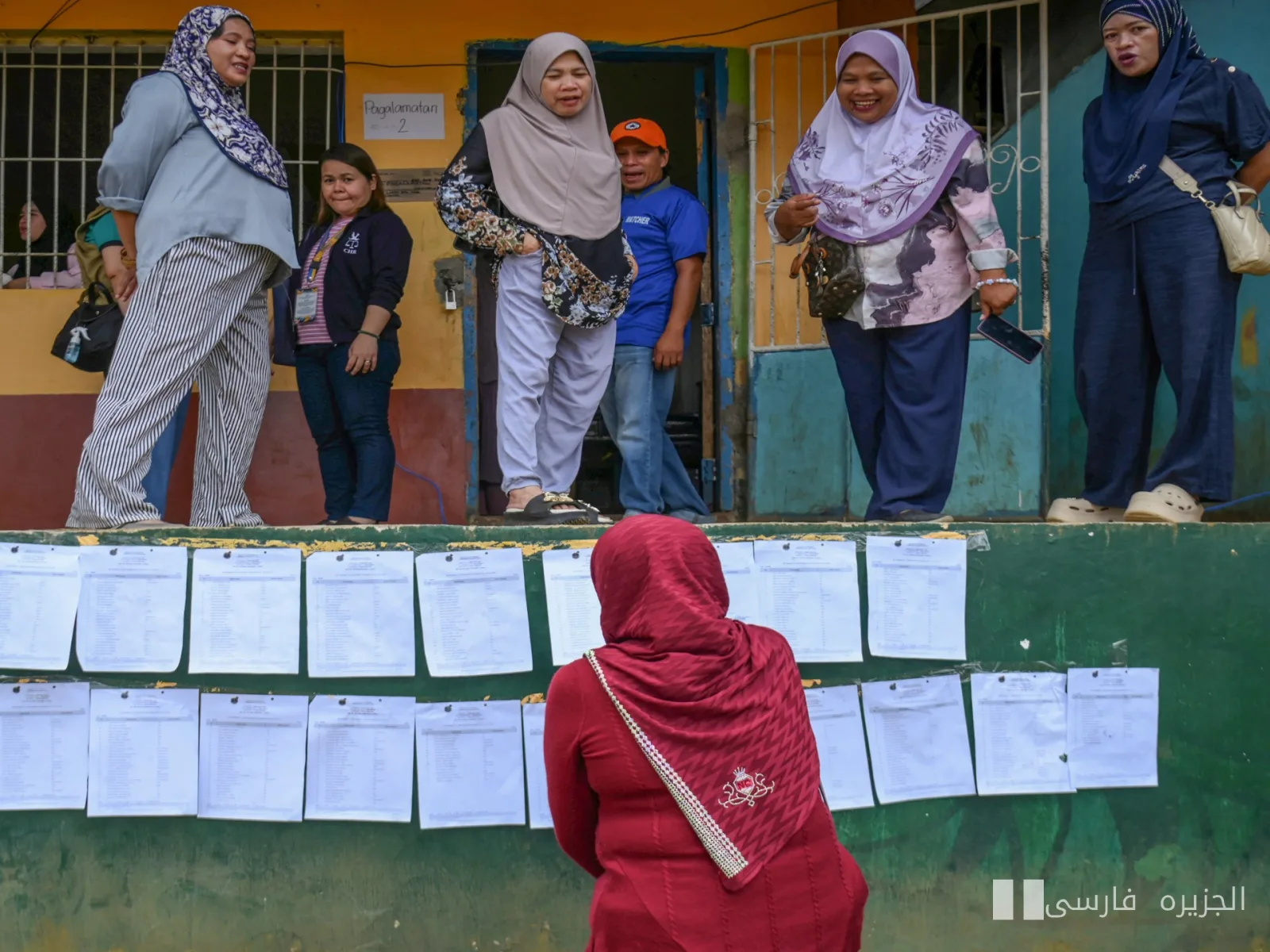
The elections in the autonomous Bangsamoro region in southern Philippines, where over 90 percent of the population is Muslim, have reached unofficial results indicating no party's dominance in the parliament. This situation likely necessitates coalition negotiations for the selection of the first prime minister of the Bangsamoro region.
Presence of Domestic Rivals in the Elections
These elections are influenced by internal rivalries within the Moro Islamic Liberation Front (MILF), a separatist movement that has reached an agreement with the Philippine government for autonomy. One of the two main groups in this election is the United Bangsamoro Justice Party (UBJP), led by Al Haj Murad Ibrahim, the former head of the front. The other group, the Bangsamoro Federal Party, is led by Abdulraof Macacua, a former commander of the front and the interim president appointed by President Marcos Jr. in 2025.
Read more: Meeting of Bafel Talabani, President of the Patriotic Union of Kurdistan, with Seyed Abbas Araghchi
Results and Implications of the Elections
According to unofficial results released by the Church Council for Responsible Voting, 98.56 percent of the party list votes have been counted. In these results, Macacua's group is in the lead with 35.2 percent of the votes, while Murad's group comes in second with 32.4 percent. Additionally, the Bangsamoro Grand Alliance, the third party in the elections, has managed to secure 20.5 percent of the votes and is positioned as a key player in coalition negotiations.
Reports from Marawi, Philippines, indicate that a suspended parliament is likely to form. In this context, various parties must negotiate to form a coalition government to move forward. According to election officials, the voter turnout in this election was about 80 percent, with approximately 1.8 million votes cast from 2.39 million registered voters.
Voters select party, regional, and sectoral representatives who will be responsible for forming the 80-member parliament. This parliament is tasked with selecting the region's prime minister, in an election recognized as the most significant milestone from the 2014 peace agreement between Manila and the Moro Islamic Liberation Front.
Read more: Houthis Consolidate Control of Bab al-Mandab Strait in Favor of Iran · Hezbollah: Proud of Alliance with Iran Against Challenges