Al Jazara
روایت خاورمیانه
Al Jazara
روایت خاورمیانه 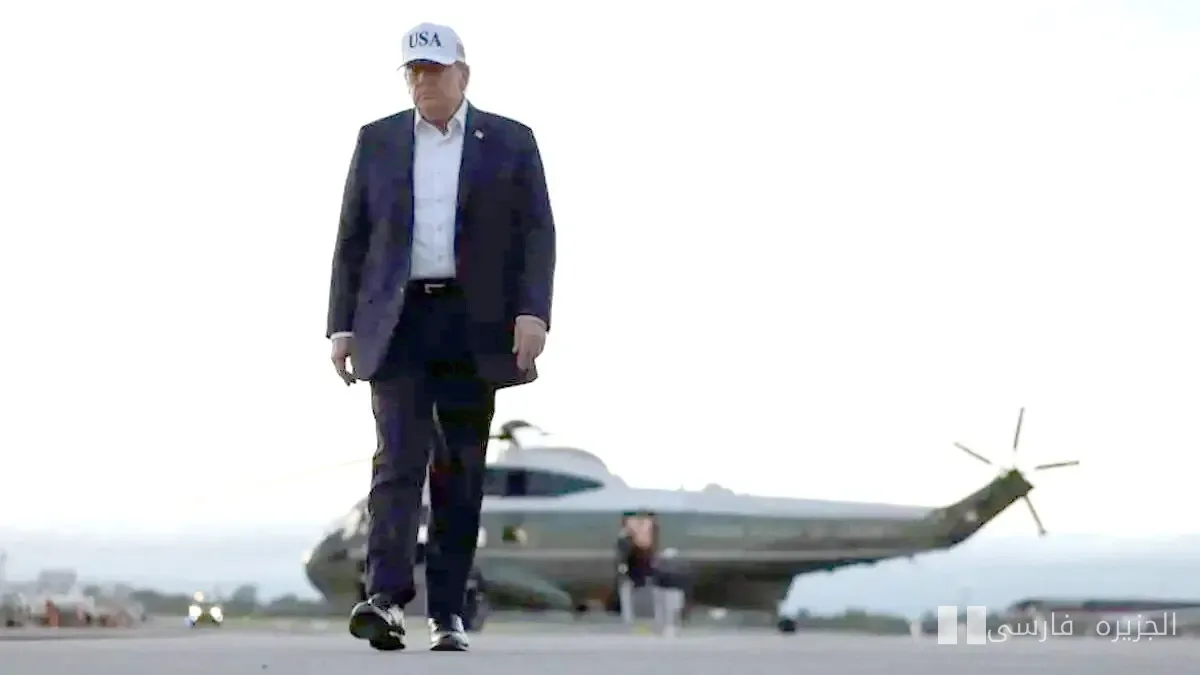
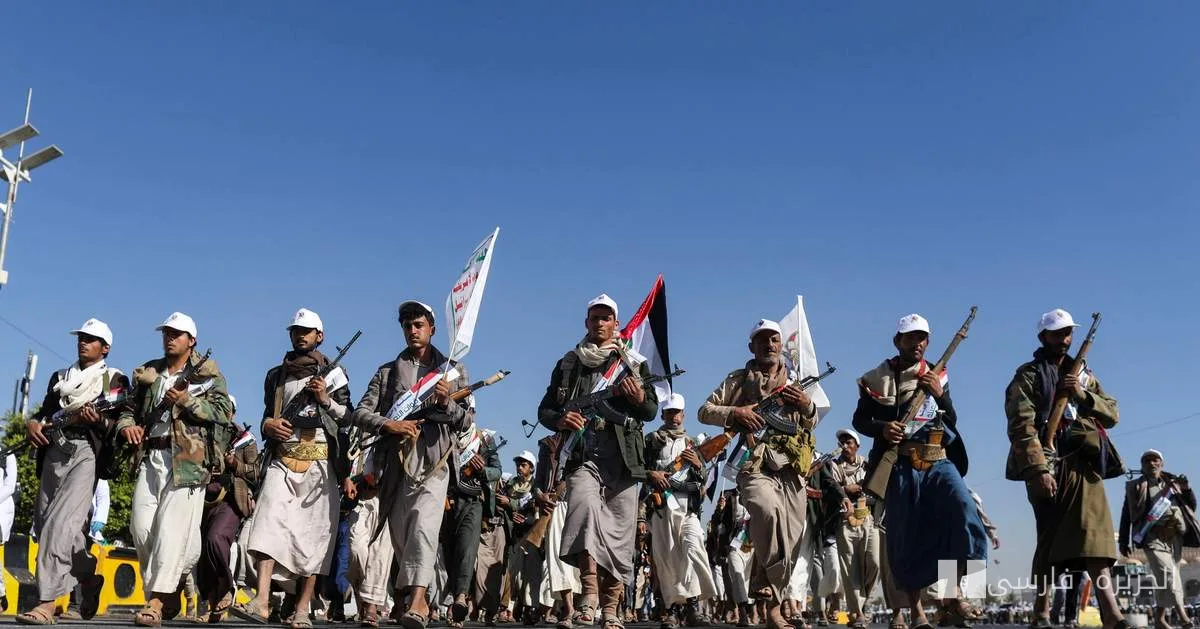
Donald Trump, the President of the United States, on September 12, 2026, in Dublin alongside Micheál Martin, the Prime Minister of Ireland, commented on the situation of the Houthis. He announced that this group had contacted the U.S. government and sought to prevent conflict with Washington. Trump also expressed confidence that the Houthis would allow more ships to pass and that the situation would progress well.
Expansion of Houthi Control in the Red Sea
This statement came as the Houthis completed their control over the port city of Al-Mokha and the island of Meyyun, gaining dominance over one of the world's most important shipping routes, Bab-el-Mandeb. These developments are particularly significant for Saudi oil exports and the country's commercial shipping, indicating a weakening of the traditional formula of "security for oil."
Read more: The Fall of the Port of Mokha; A New Challenge for Mohammed bin Salman in Yemen
Recent developments in Bab-el-Mandeb have been described as a profound change in the region's security environment. While the U.S. avoids direct military intervention against the Houthis, this group now controls one of the world's most important maritime passages. Recent reports confirm that Washington is currently refraining from direct involvement in the conflict between the Houthis and Saudi Arabia.
Political and Security Implications of Trump's Statements
Trump emphasized in Dublin that the Houthis contacted the U.S. government to avoid confrontation with Washington, and it seems they are allowing "more ships to pass." He also pointed out that the issue is only related to "one country," likely referring to Saudi Arabia. Trump promised to take action to resolve this issue.
On the ground, Trump's statements indicate that the Houthis consider U.S. military power and deterrence in their calculations. Additionally, the Houthis have shown readiness to negotiate and reach an agreement, similar to what they did in 2025.
The Trump administration is simultaneously pursuing policies that include containing Iran as the main threat, maintaining security in the Strait of Hormuz, and preventing the opening of a military front in Yemen. However, Bab-el-Mandeb, as a vital route, holds less significance for direct U.S. oil interests.
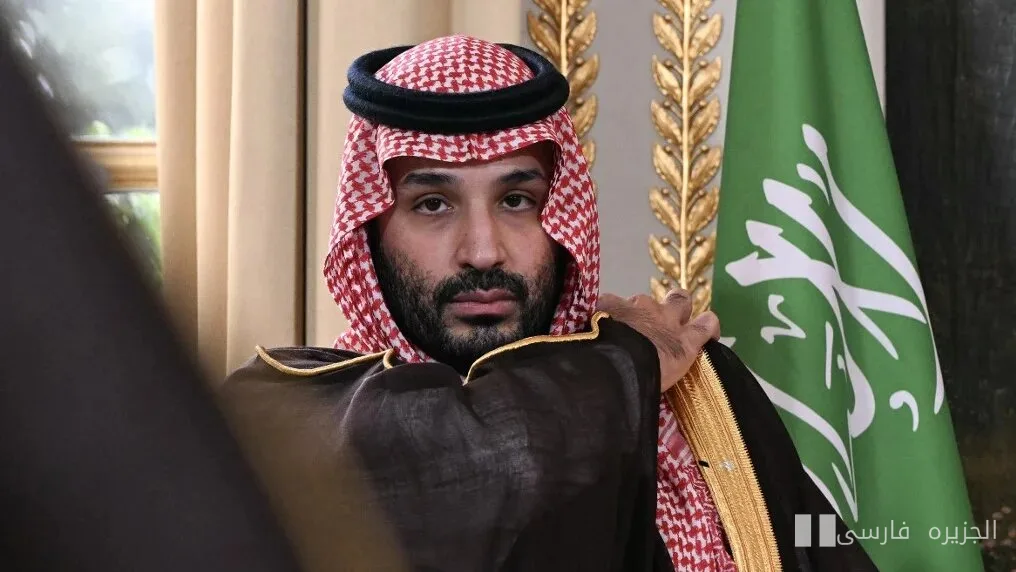
In Riyadh, Saudi circles believe that Washington's cautious stance is part of a broader U.S. policy, and it seems that the U.S. currently has no intention of direct military action against the Houthis. However, Admiral Brad Cooper's visit to Riyadh for urgent discussions with Mohammed bin Salman reflects Washington's efforts to increase support for Saudi Arabia.
The Trump administration referred to Mohammed bin Salman as its "good friend" to alleviate Saudi concerns and stated that "everything will go well." However, no specific military commitments were made by him, and the White House did not provide explicit guarantees regarding the protection of Saudi energy infrastructure or maritime routes.
Read more: The Collision of Indian and Pakistani Vessels in the Arabian Sea Increased Concerns · The Israeli Army Warned Netanyahu About Budget Shortages and Military Readiness