Al Jazara
روایت خاورمیانه
Al Jazara
روایت خاورمیانه 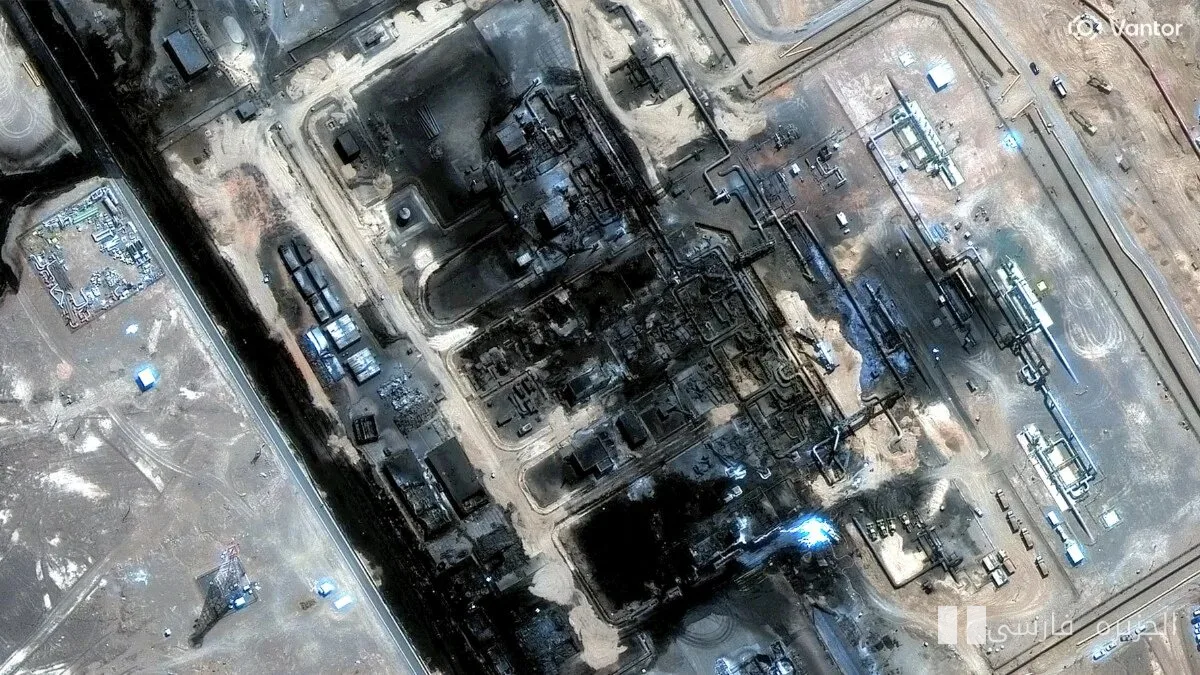
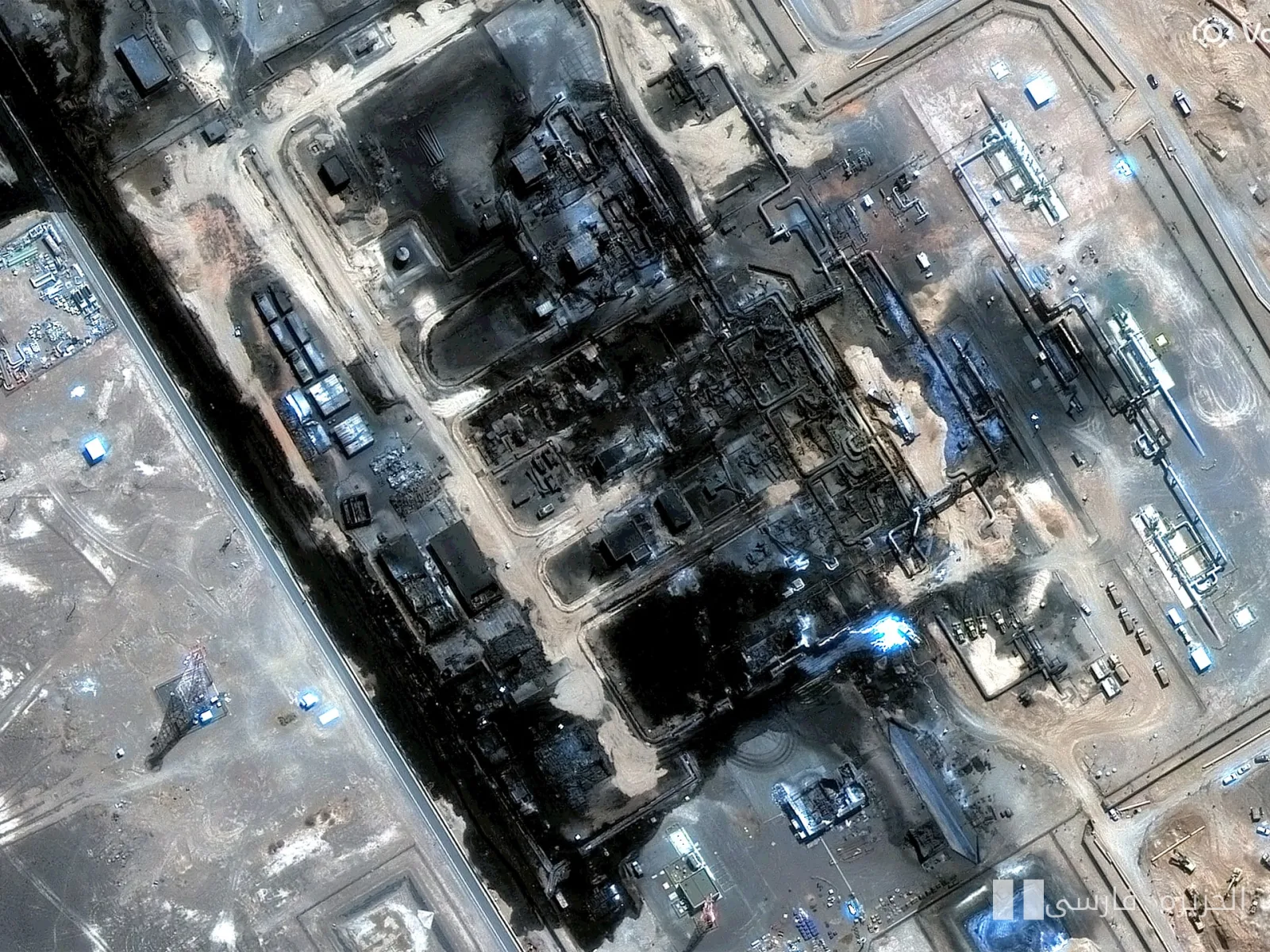
Saudi Arabia has been severely damaged following a drone attack on its East-West pipeline in the late hours of Saturday, October 21, 2023. This attack, carried out from Iraq, could reportedly disrupt four percent of the global oil supply for five to six weeks.
Increase in Oil Prices
Following this incident, Brent crude oil, the international benchmark, rose by three percent on Monday, reaching nearly $108 per barrel. This price increase comes after a significant rise in oil prices last week due to rapid attacks by the Houthis and their control over the Yemeni side of the Bab el-Mandeb Strait.
Read more: The U.S. government is lifting tariffs on Irish whiskey
Gregory Brew, an energy expert at the Eurasia Group, has stated that physical crude oil from Oman is selling for $121 and Murban oil from the UAE is priced at $131 per barrel. This price increase occurs amid a global economy under pressure from high inflation and elevated borrowing costs.
Strategic Consequences of the Attack
Saudi Arabia has stated in a statement that the source of this attack was from Iraq and has strongly pointed to the presence of Iranian-backed militants in that country. This attack not only leads to a reduction in global oil supply but also highlights Saudi Arabia's vulnerabilities to regional threats.
The port to which Saudi Arabia's East-West pipeline connects allows the country to export nearly two-thirds of its pre-war oil volume. This pipeline, built in the 1980s as a bypass to the Strait of Hormuz, now faces serious risks.
Analysts believe that this attack enables the Houthis and Iran to expand their controlled territory by exploiting the situation. Additionally, the closure of this pipeline places more pressure on Saudi Arabia and reminds other Gulf countries of their vulnerabilities.
Read more: The Trump administration raised the possibility of staying in Iran and exploiting oil · Financial pressure from the Iran war on the economic plans of Gulf countries