Al Jazara
روایت خاورمیانه
Al Jazara
روایت خاورمیانه 
In a controversial decision, the European Central Bank raised the interest rate to 2.5% and explicitly stated that there is a serious threat of rising inflation next year due to new conflicts in the Middle East. This move comes as borrowing costs in Europe have significantly increased and oil prices have risen above $105 per barrel.
Consequences of Conflicts on the Global Economy
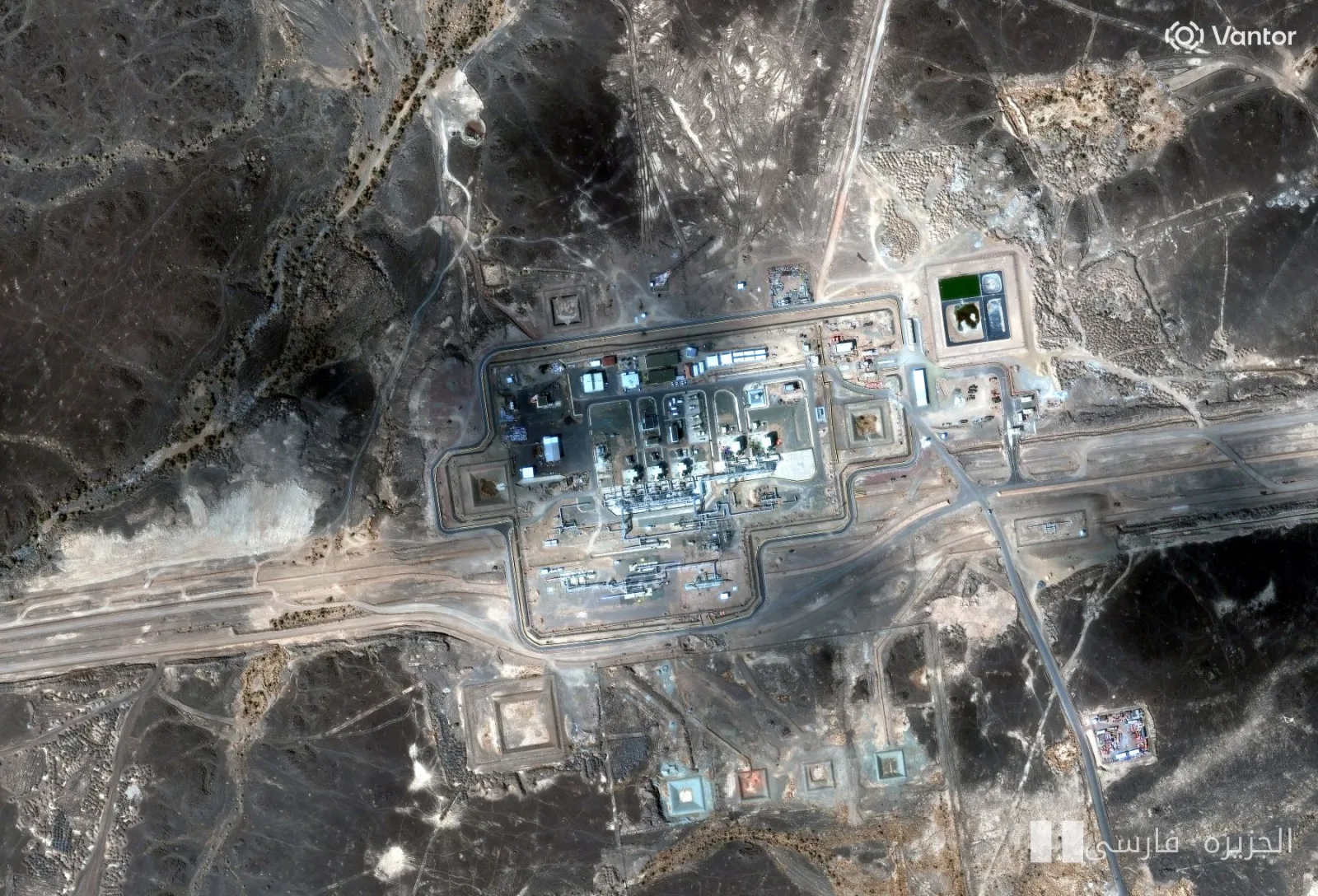
Following recent attacks by the United States and Iran on ships in the Strait of Hormuz, global markets have been affected. The rising prices of oil and gas clearly indicate the increasing pressures on prices in the Eurozone and beyond. Given these alarming conditions, the European Central Bank has been compelled to make such a decision.
This interest rate hike means higher borrowing costs for consumers and businesses, which could impact economic growth. While banks offer higher interest rates to lenders, there is a possibility that demand for loans may decrease, consequently slowing down economic activities.
Inflation Outlook in Europe
The European Central Bank has clearly stated that with the ongoing conflicts in the Middle East, inflation is expected to rise inevitably. This situation will affect not only the European economy but also the global economy. Therefore, as economic challenges continue, the interest rate hike may be just one step in addressing larger challenges.
These developments seem to serve as a warning bell for other countries as the consequences of war and conflicts can quickly spread to other parts of the world and impact their economies as well.